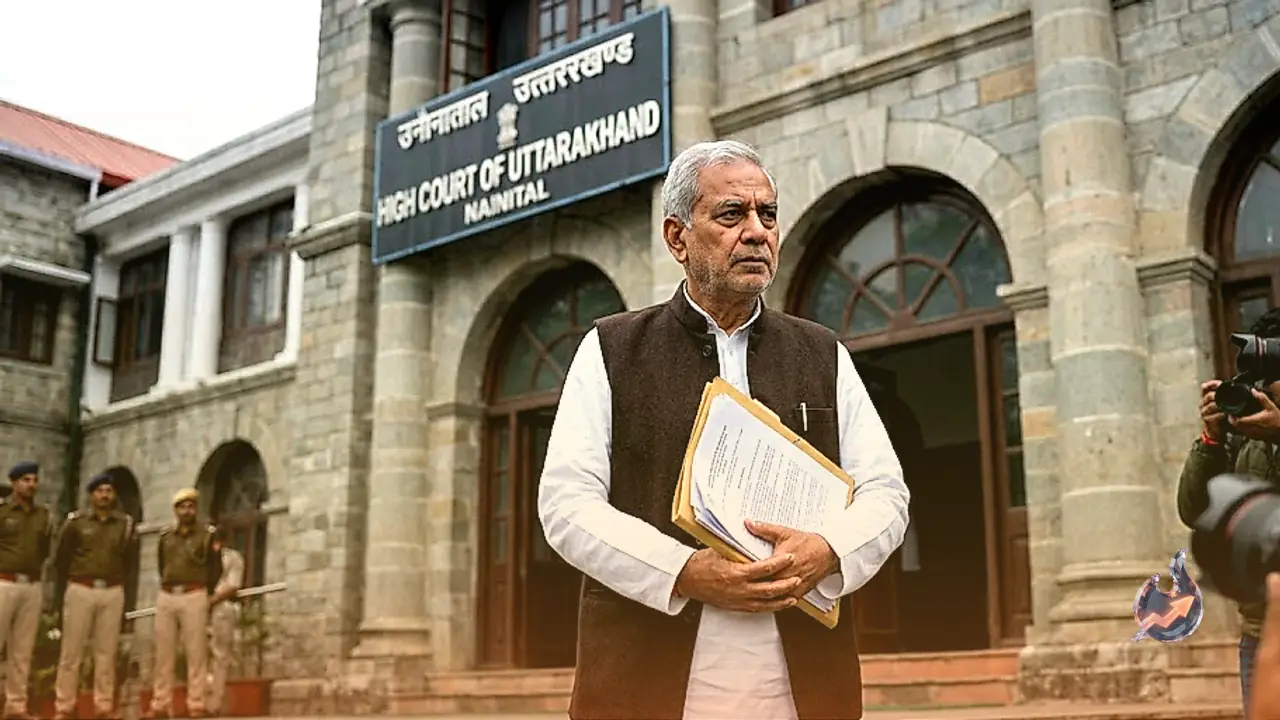


















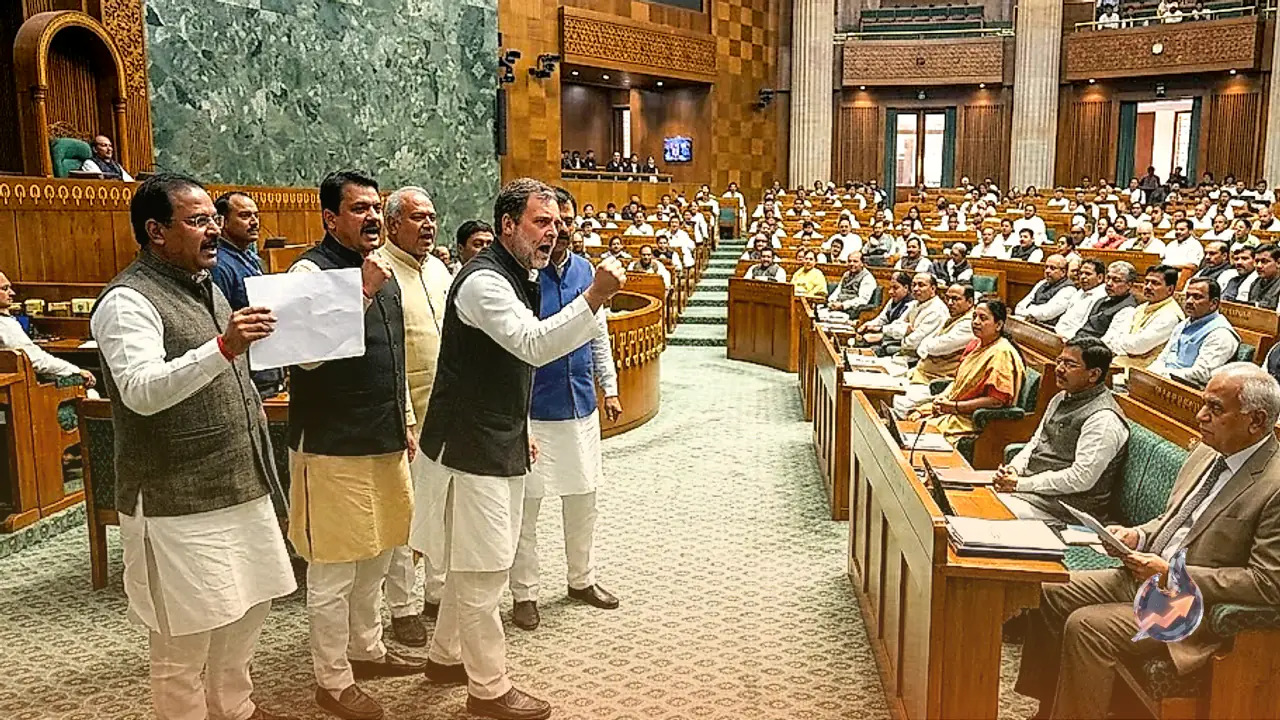

The stage is set for a stormy start to the parliamentary proceedings as the Monsoon Session is scheduled to commence on Monday, July 20. With the session slated to run until August 13, the political temperature is expected to soar right from day one. The opposition has lined up a series of highly controversial issues to corner the ruling alliance, making a quiet start to the session highly unlikely. On the other hand, the government is entering the session with a clear focus on moving forward with crucial legislative measures, including the highly anticipated Delimitation Bill and the Women's Reservation Bill.
Key Issues Ready to Ignite Parliamentary Debates
Opposition parties have prepared a multi-pronged strategy to challenge the treasury benches. Among the primary issues they plan to raise on the very first day is the controversial paper leak incident associated with the NEET examination. This matter has already triggered nationwide concern, and opposition MPs intend to demand immediate accountability. Another major point of contention is the handling of climate activist Sonam Wangchuk, specifically his removal from the Jantar Mantar protest site. The opposition intends to raise this as a serious civil liberties issue in the house.
Furthermore, the political battle lines will extend to economic and religious matters. The opposition is planning to raise questions regarding E-20 petrol, focusing on its pricing, distribution, and overall policy implementation. Additionally, allegations of financial irregularities and theft of donations related to the Ram Mandir construction will be brought to the forefront. The combination of these issues suggests that the opening day will witness severe disruptions and intense verbal duels between the government and the opposition benches.
Appeal for Order Amid Expectations of Chaos
Anticipating a tumultuous start, the government has reached out to the opposition to ensure the smooth functioning of Parliament. On the eve of the session, Union Minister Kiren Rijiju issued a public appeal, urging opposition parties to refrain from creating a ruckus as soon as the house convenes in the morning. Rijiju emphasized that disruptions at the very beginning of the daily proceedings would only lead to a waste of valuable legislative time and result in significant loss for the country. The government has maintained that while it is open to discussing all relevant matters, the opposition must cooperate to allow structured debates rather than resorting to continuous shouting matches that stall parliamentary business.
Deliberations in the Business Advisory Committee
The formal groundwork for the Monsoon Session was laid on Sunday evening during a crucial all-party meeting, which concluded amidst visible political friction. The meeting of the Business Advisory Committee was held under the chairmanship of the Lok Sabha Speaker. Speaking to reporters after the conclusion of the discussions, Union Minister Kiren Rijiju confirmed that the government has officially listed several highly important bills for introduction and passage.
Rijiju also acknowledged that representatives from various opposition parties offered their suggestions during the meeting. The government has strongly urged the opposition to shift toward a positive and constructive approach to legislative work. To this end, the treasury benches have sought the opposition's cooperation and support for eight specific bills that have been officially listed for discussion and passage during this session.
Changing Numbers and the Delimitation Strategy
One of the most politically sensitive aspects of this session is the government's apparent focus on the Delimitation Bill. The political math inside Parliament has undergone a dramatic shift recently, significantly boosting the strength of the National Democratic Alliance. This shift follows major internal splits within Mamata Banerjee's Trinamool Congress and Uddhav Thackeray's Shiv Sena (UBT). The fragmentation of these key opposition parties has emboldened the ruling alliance to consider tabling the Delimitation Bill in this session.
The Delimitation Bill has faced vehement opposition, particularly from political leaders in South Indian states. These leaders argue that any fresh delimitation process based on population metrics would unfairly reduce their states' parliamentary representation and political leverage in the Lok Sabha. However, the opposition's collective bargaining power has been compromised, especially following the collapse of the alliance between the Congress party and the DMK.
Addressing these concerns, the Union Minister for Parliamentary Affairs stated that if the central government decides to introduce any additional bills beyond the listed ones, it will not do so arbitrarily. Any such move will first be placed before the Business Advisory Committee for a thorough discussion, and the opposition will be kept fully informed. This reassurance, however, has not dispelled speculation that the government might indeed utilize its strengthened position to introduce and push through the Delimitation Bill during the course of the next few weeks.
Crucial Legislative Bills Listed for Passage
The government has officially announced several new legislative proposals that are scheduled to be introduced, considered, and put to a vote in either the Lok Sabha or the Rajya Sabha during this session. According to a bulletin released by the Lok Sabha Secretariat, the legislative agenda features several high-profile amendments.
First, the National Honour Insult Prevention (Amendment) Bill, 2026, has been listed for introduction, consideration, and passage. This bill seeks to amend the landmark National Honour Insult Prevention Act of 1971. Through these amendments, the government intends to make any act of showing disrespect to the national song, 'Vande Mataram', or creating obstacles during its singing, a strictly punishable offense.
Second, the Birth and Death Registration (Amendment) Bill, 2026, is also listed on the agenda. This legislative measure aims to introduce much stricter guidelines and penalties regarding the delayed registration of births and deaths across the country, streamlining the national vital statistics framework.
Third, the government is set to introduce the Income Tax (Amendment) Bill, 2026. This bill is designed to replace an existing ordinance that was promulgated to formalize tax exemptions for foreign investors who channel their investments into government securities. By passing this bill, the government hopes to provide a permanent and stable statutory framework for these international investment flows.
Tensions Flare Over NCPI Presence in All-Party Meet
The deep political divide became starkly visible during Sunday's all-party meeting when opposition leaders staged a dramatic walkout. The trigger for the protest was the invitation extended to the MPs of the Nationalist Citizens Party of India (NCPI) to attend the meeting. Opposition parties strongly objected to their presence, leading to an immediate walkout of several key leaders.
This controversy is directly tied to the massive political realignments that have taken place in West Bengal. Following the Trinamool Congress's defeat in the state, a massive rebellion shook the party. Out of the 28 TMC members of parliament, 20 broke away to join the NCPI. Crucially, these 20 MPs have declared their complete support for the ruling NDA coalition, drastically tilting the balance of power in the lower house.
A similar fragmentation occurred within the Shiv Sena's Uddhav Thackeray faction, where 6 out of their 9 MPs left to align themselves with the Eknath Shinde faction, which is part of the ruling coalition. These shifts have significantly depleted the opposition's numerical strength. Political analysts note that if the DMK decides to align with or support the NDA on specific legislative matters, the government will find itself in an exceptionally strong position to comfortably pass major legislations, including the controversial Delimitation Bill.