





















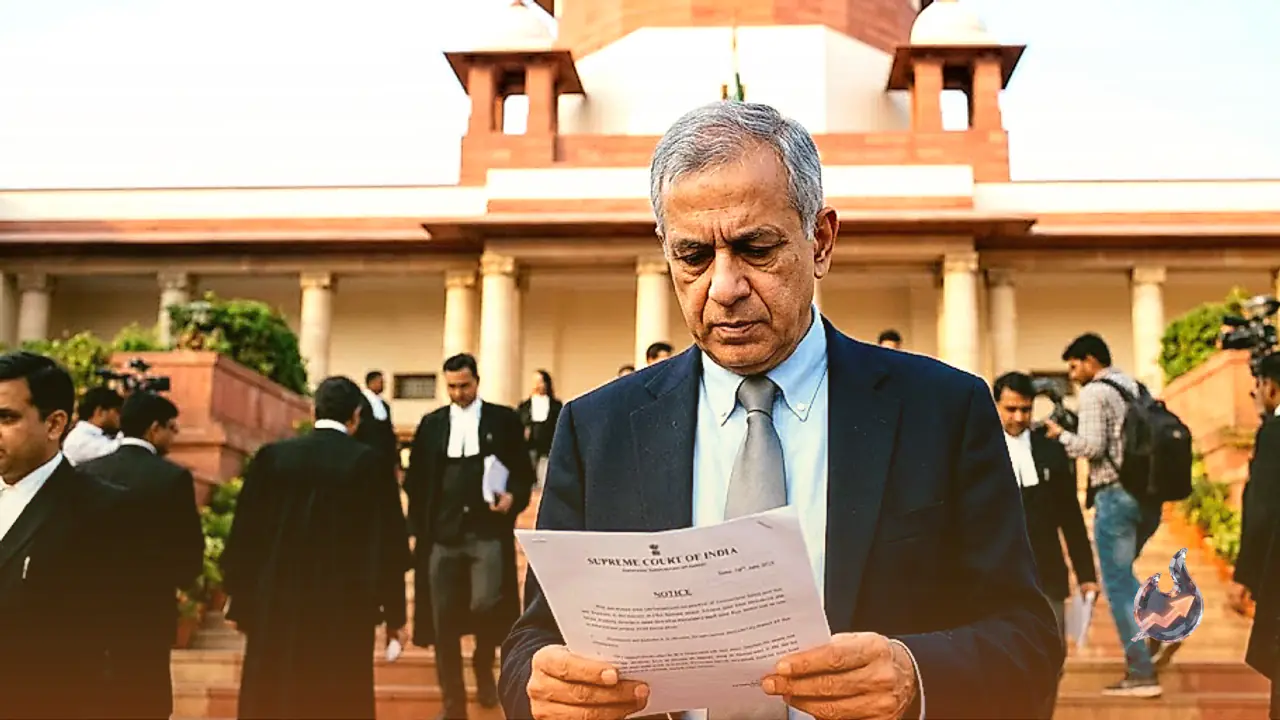

The Supreme Court on Tuesday sought a formal response from the central government regarding a petition filed by Carnatic musician T.M. Krishna challenging the constitutional validity of a 2026 amendment to the Prevention of Insults to National Honour Act, 1971. This legislative modification extended statutory protection to the national song, Vande Mataram. The legal challenge also takes aim at directives issued by the Ministry of Home Affairs that make it compulsory to sing all six stanzas of the song during official government functions.
Solicitor General Opposes Notice Citing Sensationalism
During the proceedings, Solicitor General Tushar Mehta urged the bench to refrain from issuing a notice, arguing that such a step would needlessly fuel public sensationalism around the subject. Pressing the government's stance on protocol, the Solicitor General contended that determining how many stanzas ought to be sung, whether two stanzas or all six, is a matter solely within the executive's purview. He maintained that no entity other than the government holds the legitimate authority to decide such administrative requirements.
Court Observations and Objections Over Language
Addressing the foundational status of the song, Justice Bagchi remarked during the hearing that there is no doubt regarding Vande Mataram being the national song. Counsel representing the petitioner countered the government's unilateral mandate by arguing that the wider public should have been consulted before enforcing such rules, prompting Justice Bagchi to observe that this was indeed a valid point. The hearing also witnessed sharp friction when the petitioner's counsel raised serious objections to the Solicitor General employing the word Naxalite during oral arguments.
Two Weeks Granted to File Formal Counter
Despite the resistance offered by the law officer, the apex court decided to examine the challenge against the mandatory recitation of all six stanzas and formally sought an explanation from the union government. The bench directed the Centre to submit its response within two weeks, setting a strict deadline for the government to articulate its legal justification for both the 2026 statutory amendment and the accompanying administrative directives.