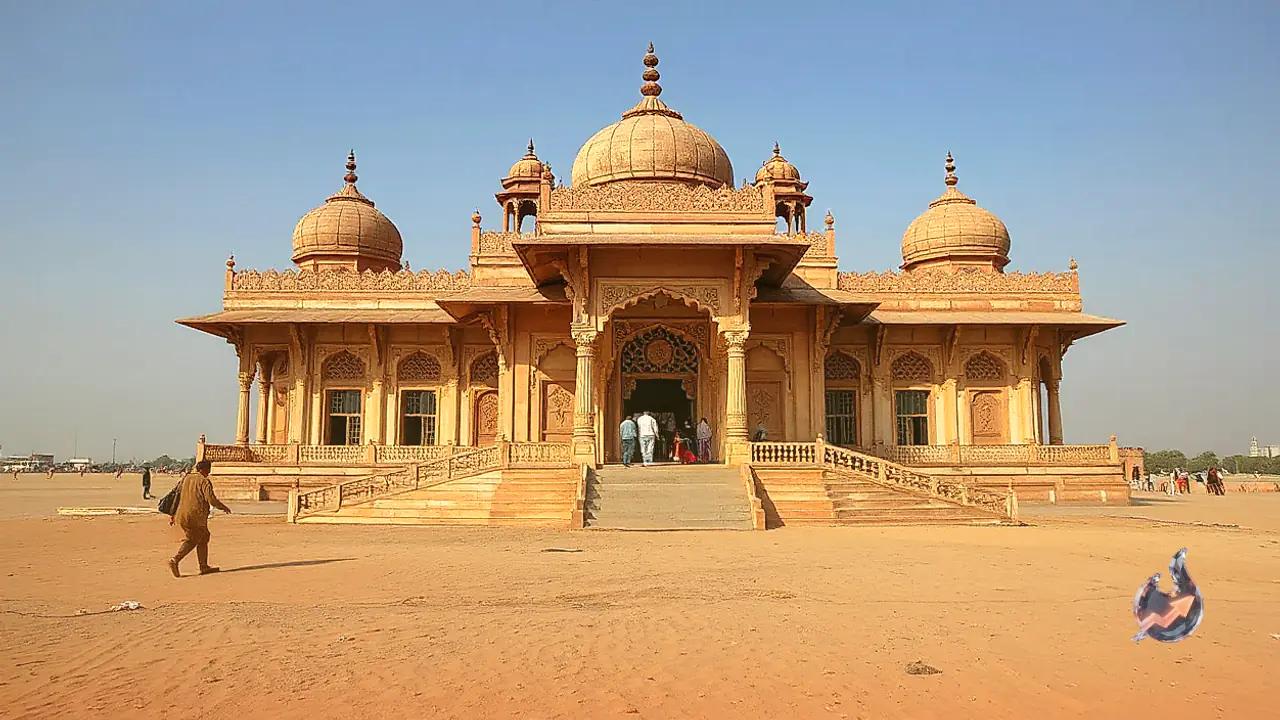
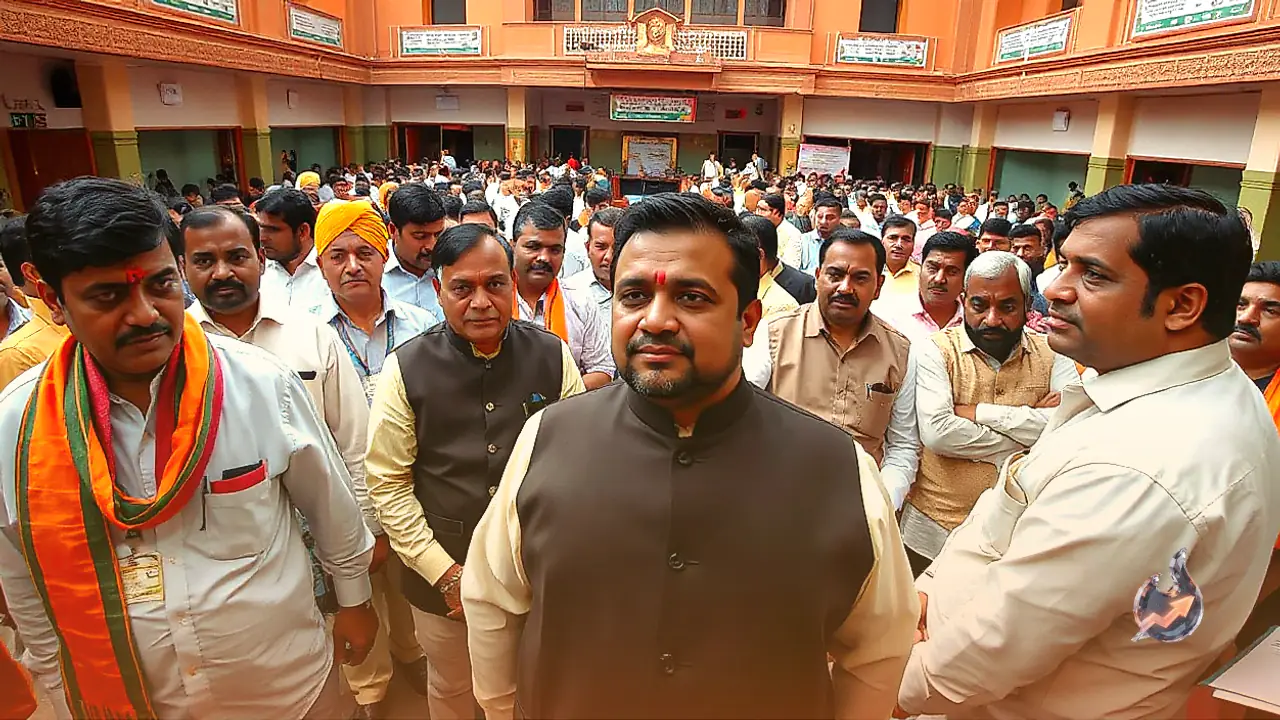
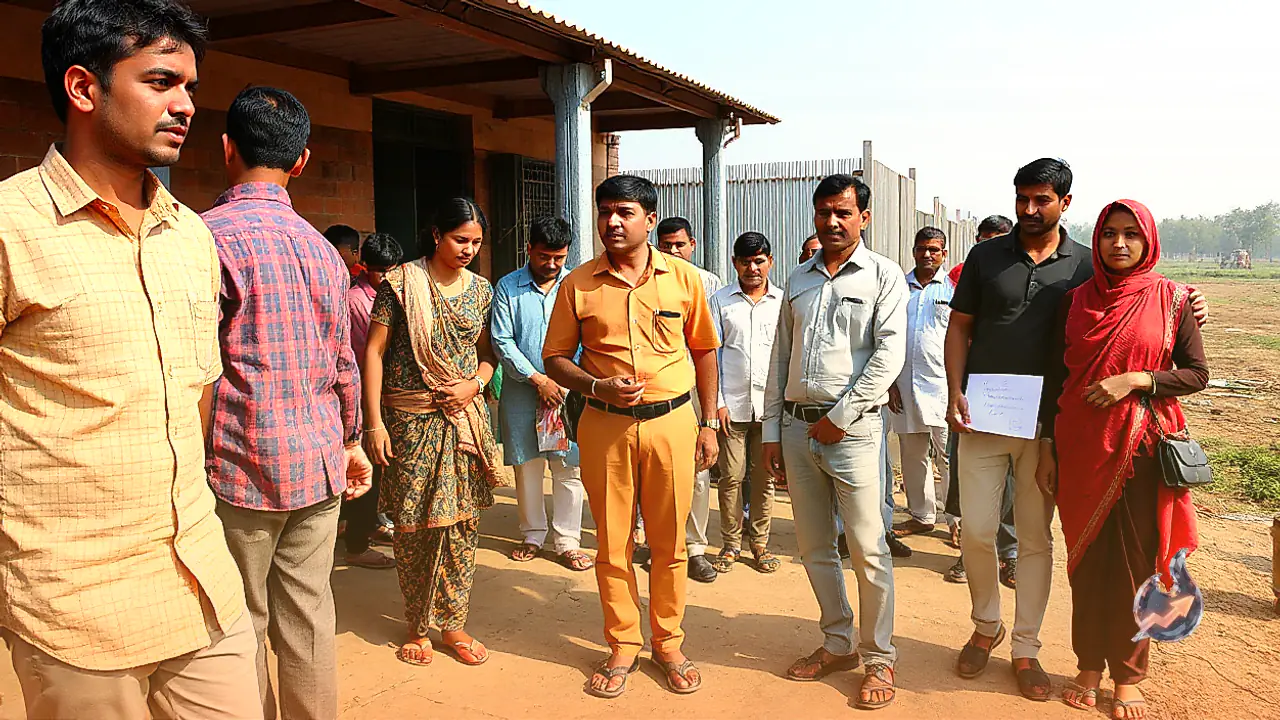
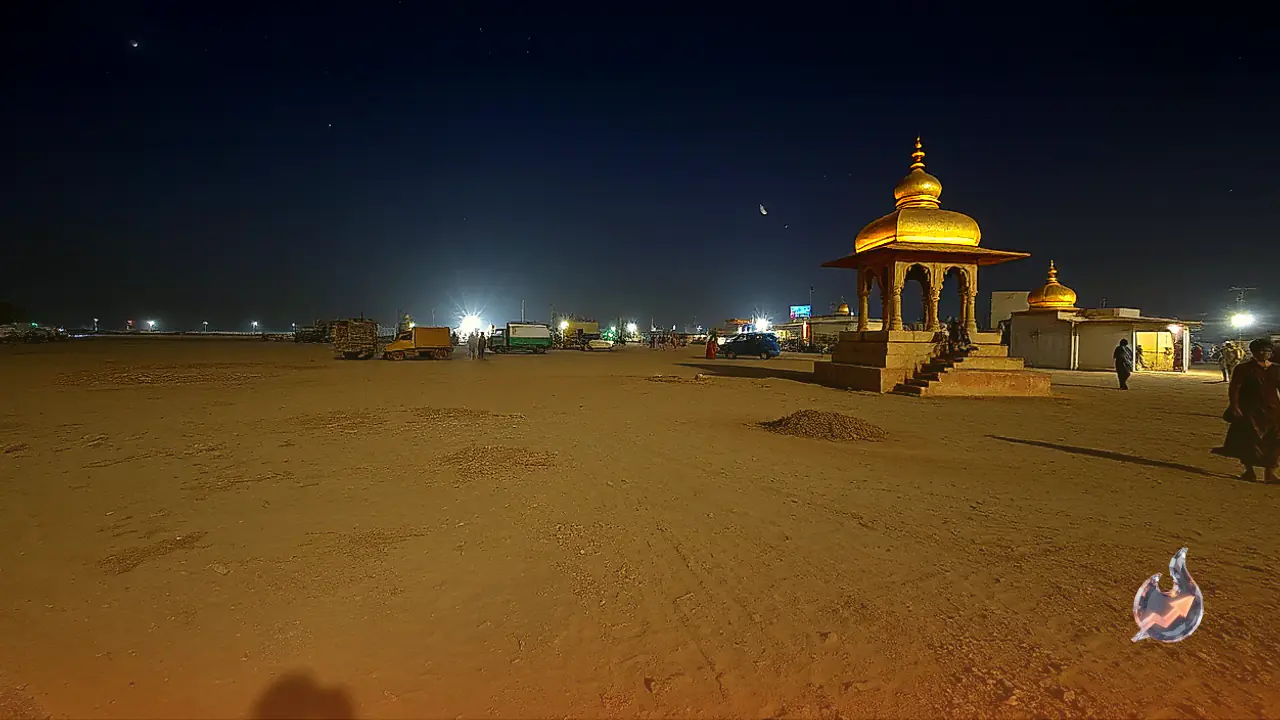

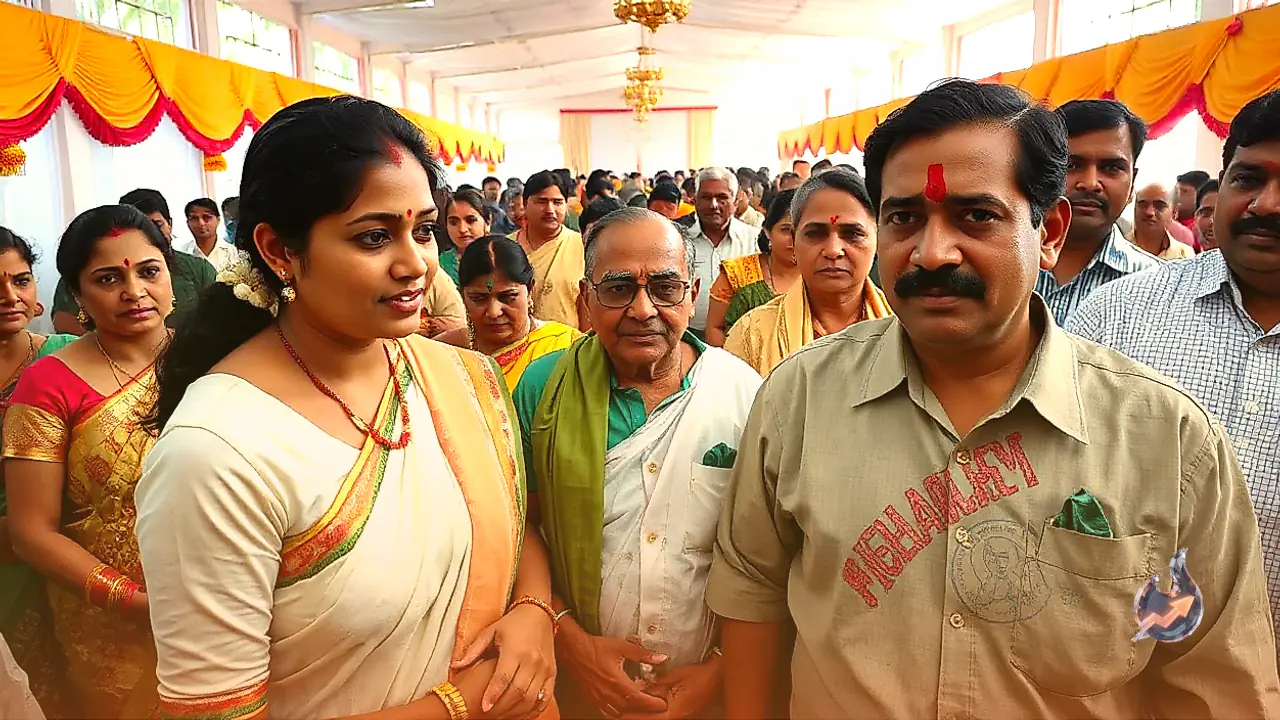















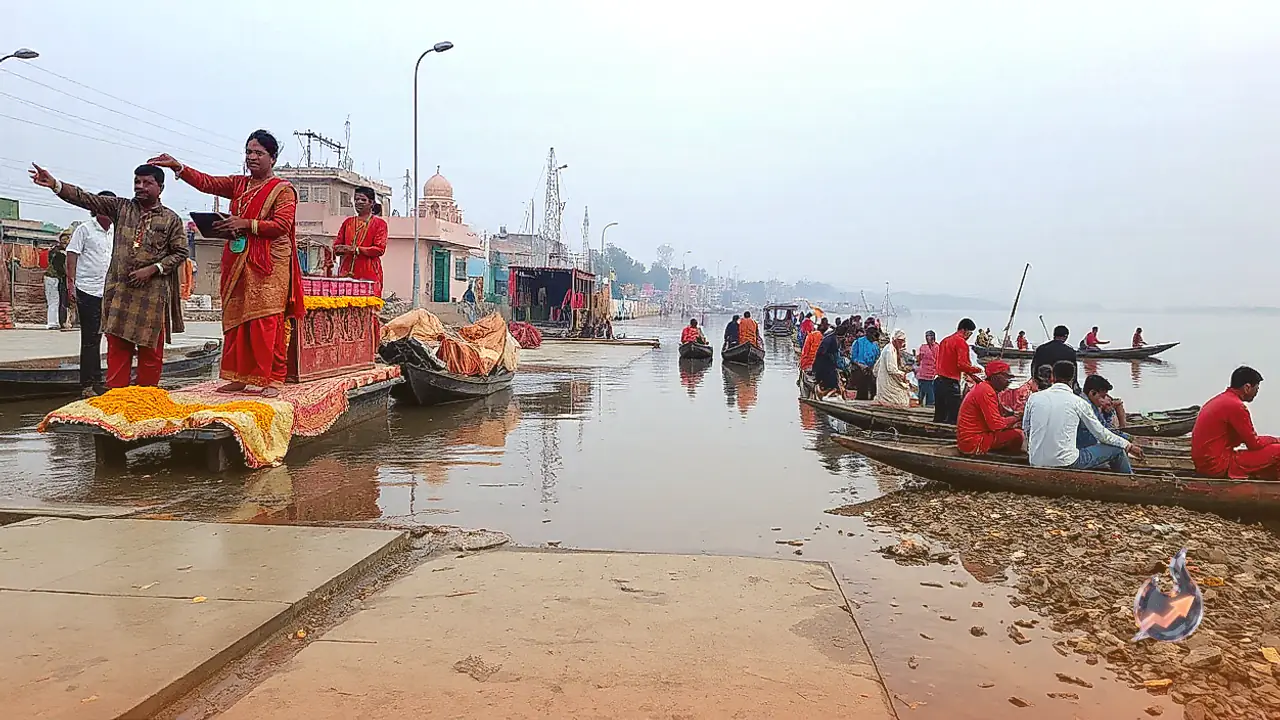

A deep devotional atmosphere has enveloped the Mithilanchal region ahead of the grand festival of folk faith, Chhath. Across villages and urban settlements around Darbhanga, traditional melodies dedicated to Chhathi Maiya are already echoing through neighborhoods, ushering in widespread festive enthusiasm. Residential preparations and extensive restoration of water bodies have gained rapid momentum. Amid these early festivities, prominent folk singer Deepak Jha, widely known for his vocal contributions to All India Radio and Doordarshan, delivered a stirring traditional Maithili Chhath song that moved local devotees.
Cultural Legacy And The Power Of Folk Melodies
Following his musical rendition, Deepak Jha elaborated on the profound spiritual significance and community customs defining the observance. He noted that deep reverence for Chhathi Maiya awakens in the hearts of the public well in advance of the festival's formal calendar. The entire region becomes immersed in sacred devotional songs and vibrant spiritual energy. Artists across Mithilanchal continue to carry forward these centuries-old cultural customs, using their craft to introduce timeless folk heritage and traditional musical roots to younger generations.
Early Restoration Of Water Reservoirs And Ghats
Focusing on the practical aspects of the celebrations, Deepak Jha emphasized that rigorous cleanliness and hygiene stand on equal footing with religious rituals during this festival. Consequently, cleaning drives covering ponds, water reservoirs, and ritual riverbanks across towns and countryside begin nearly a month prior to the core festivities. Reconstructing approaches, clearing weeds and debris from ponds, and sanitizing the surrounding grounds form an essential early phase of the community's preparations.
Environmental Stewardship And Community Cohesion
Deepak Jha pointed out that Chhath extends far beyond conventional fasting and rituals by functioning as an active call for ecological consciousness and water conservation. Through its distinctive practices, the festival reminds observers of the irreplaceable importance of clean natural surroundings, pure water, and living in harmony with nature. Furthermore, the occasion fosters strong social solidarity as neighbors unite to clean the water bodies together and assist each other at every step. Within Mithila, this observance seamlessly ties families, neighborhoods, and the natural environment into a cohesive bond.