







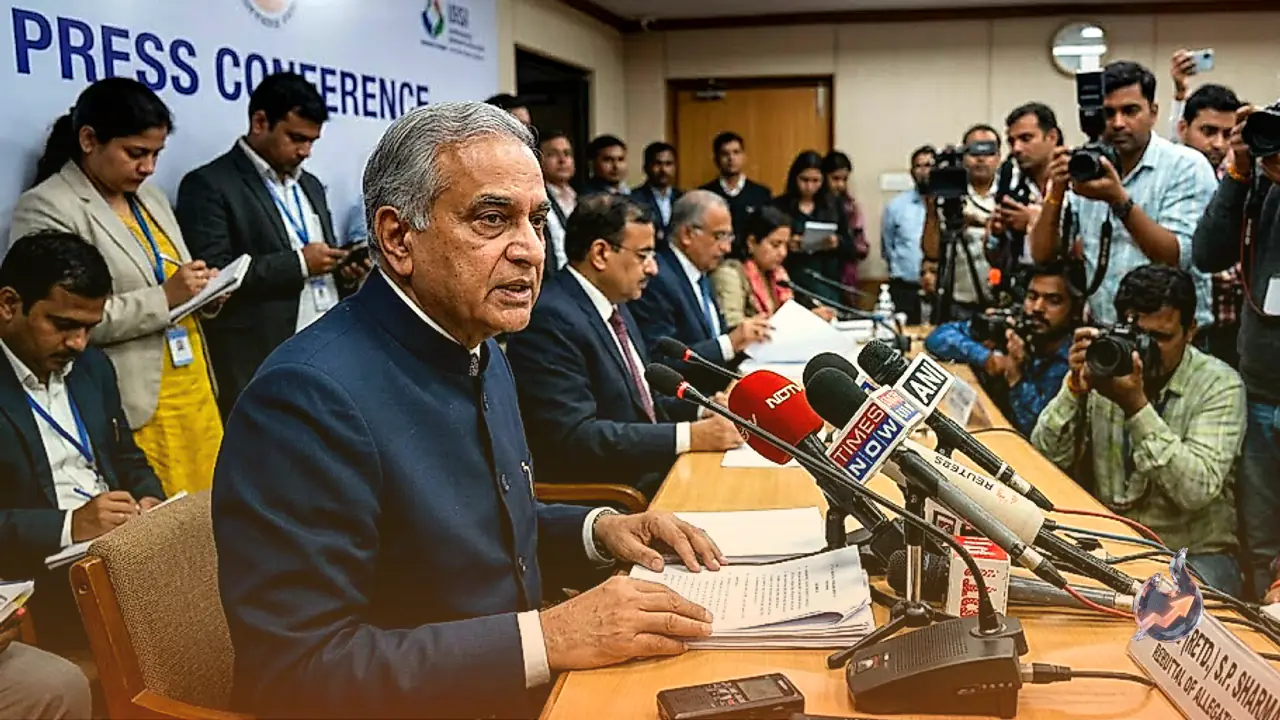















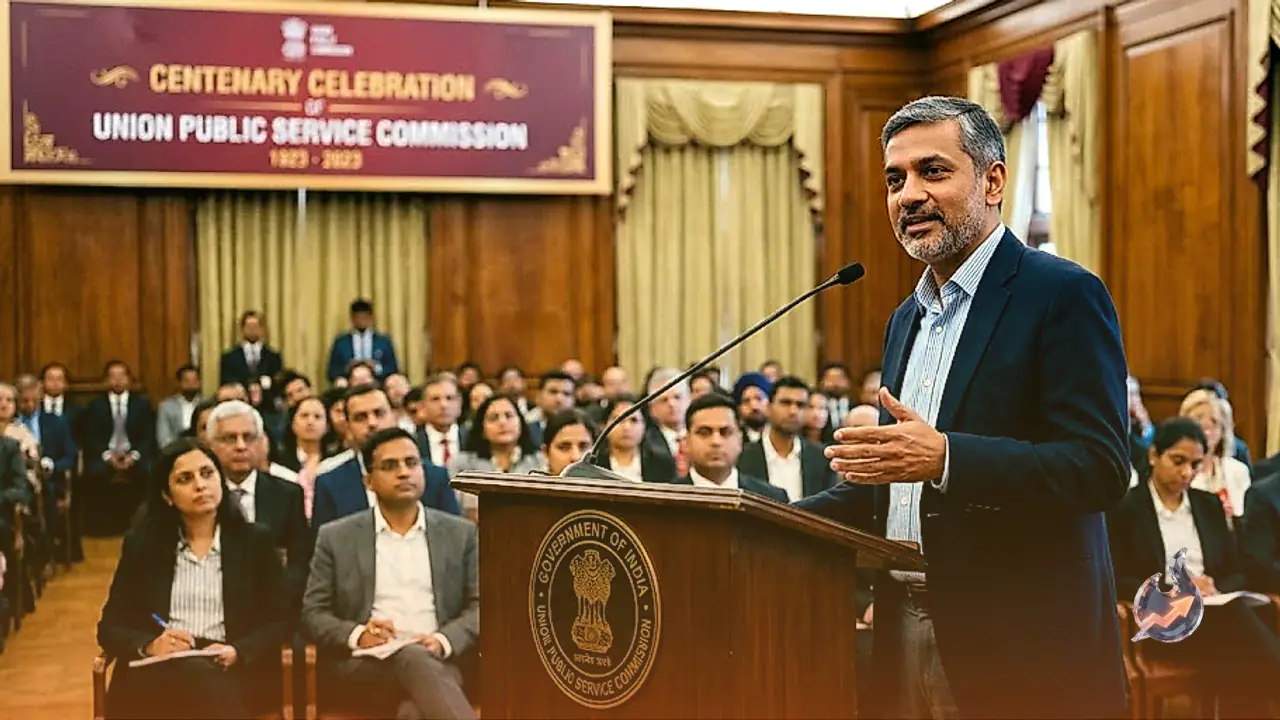

The Union Public Service Commission (UPSC), the premier institution responsible for selecting India's top administrative leadership, has completed 100 years of its establishment. To commemorate this centenary milestone, a special ceremony was organized at Bharat Mandapam in New Delhi, attended by Prime Minister Narendra Modi along with several key dignitaries. Over the past century, the organization has transitioned from a colonial-era administrative recruitment board into a robust constitutional pillar that empowers young aspirants from ordinary households across the country to enter public leadership. The resilience of any democratic governance framework depends on the integrity of its recruitment mechanisms, an area where the commission has maintained exceptional credibility through its rigorous and transparent evaluation standards.
Origin Under the Lee Commission and Constitutional Transition
The genesis of central public service recruitment in India dates back to the colonial administrative era. Following the key recommendations of the Lee Commission in 1924, the path was cleared for creating a formal public service entity. Consequently, the first Public Service Commission was established on October 1, 1926, with the primary task of choosing administrative officers to assist the British imperial machinery. A transformative institutional change occurred when the Constitution of India came into effect on January 26, 1950, granting the body its permanent constitutional identity and full administrative autonomy as the Union Public Service Commission. Since then, the commission has conducted its duties with institutional independence and steadfast neutrality.
Evolution from the ICS to Modern Multi-Disciplinary Examinations
During its earliest phase, the recruitment was conducted for the Indian Civil Service (ICS), an elite examination framework that remained notoriously difficult for Indian candidates to crack. In 1863, Satyendranath Tagore, the elder brother of Rabindranath Tagore, made history by becoming the first Indian to clear the demanding ICS examination. Following independence, the recruitment paradigm underwent widespread democratization, ensuring that hardworking youth from every socio-economic stratum could rise to executive positions strictly on merit. Today, the commission manages a comprehensive annual calendar featuring more than 250 separate recruitment exams and interview rounds, encompassing technical sectors such as engineering, medical services, and the armed forces alongside general administration.
Rising Footprint of Women Aspirants
Over the past several decades, the demographic makeup of qualified candidates has experienced significant progressive changes. Historical recruitment figures reveal that in 1952, only 3 female candidates were recommended for appointment through the process. In sharp contrast, recent civil services results reflect prominent achievements by female applicants. In the final UPSC examination results of 2025, women secured more than 31 percent of total recommended positions, while also claiming dominant positions within the top 25 ranks. These statistics underline the evolution of the examination framework into an equitable platform that rewards competence across diverse societal segments.
Technological Progression Toward Modern Digital Tools
Sustaining examination security, fairness, and scale has driven continuous technological upgradation within the organization. The commission introduced computer usage in 1978, followed by the deployment of Optical Mark Recognition (OMR) evaluation sheets in 1989. Around the year 2000, digital transformation advanced further with the rollout of online application submissions. In the contemporary setting, the commission leverages Artificial Intelligence (AI) powered facial authentication, digital helpdesk support, and the Universal Registration Number (URN) framework to eliminate fraud and streamline candidate management. The journey across these 100 years highlights how enduring institutional integrity combined with modern tech adoption builds lasting institutional excellence.