





















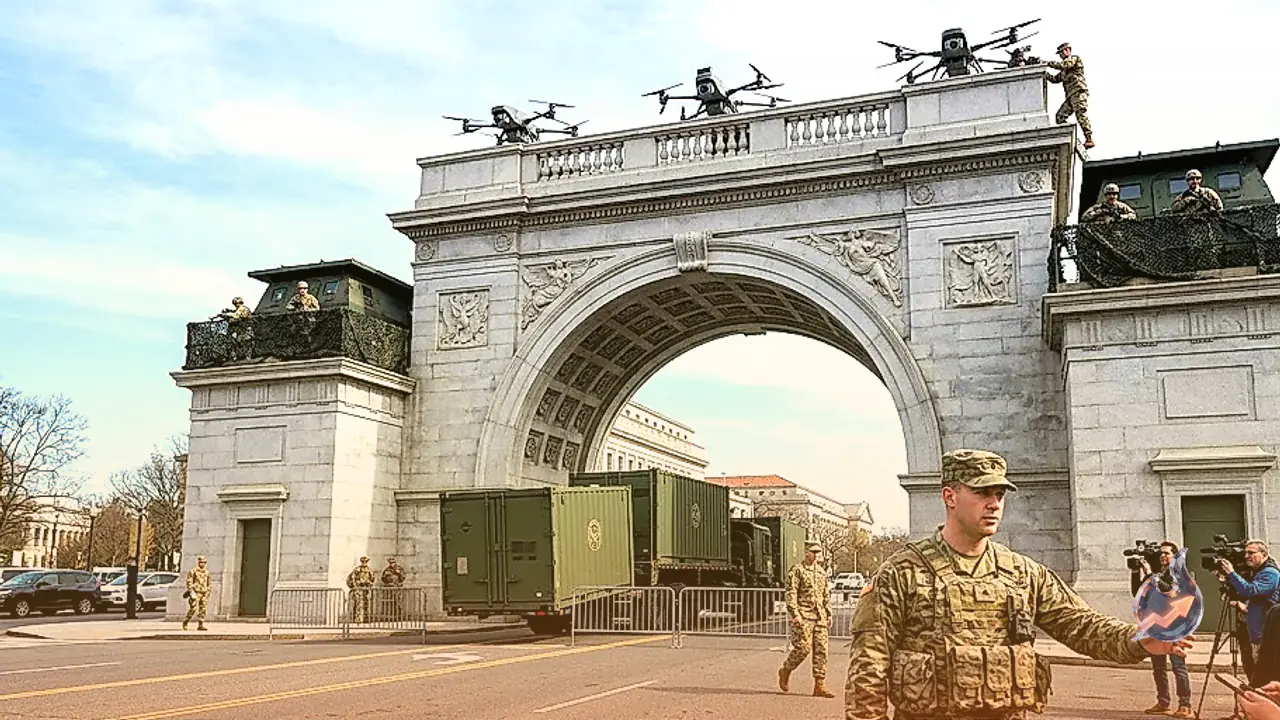

Plans for the monumental triumphal arch in Washington, D.C. have taken a strategic turn, with the landmark now designated for conversion into a specialized military installation. The initiative repositions an architectural monument into a functional defense facility positioned right at the heart of the national capital region, merging commemorative infrastructure with rapid defensive capabilities.
Defense Priorities and Strategic Location
The decision to modify the project follows direct requests from the United States Military, aligned with national security considerations. Originally envisioned decades ago during the Civil War era, the proposed structure sits at the Receptive Circle adjoining the Arlington Memorial Bridge. The strategic setting bridges major transit avenues while offering a commanding vantage over critical surrounding federal installations.
Operational Base for Drones and Armed Positions
Under the revised configuration, the facility will be engineered to house, store, and rapidly launch a substantial fleet of unmanned aerial drones. Tactical planning incorporates designated sniper posts situated across both the upper roof tier and the plaza grounds. Secure storage facilities will also hold significant quantities of specialized sniper munitions to support continuous defensive operations on site.
Statements from Donald Trump on the Project
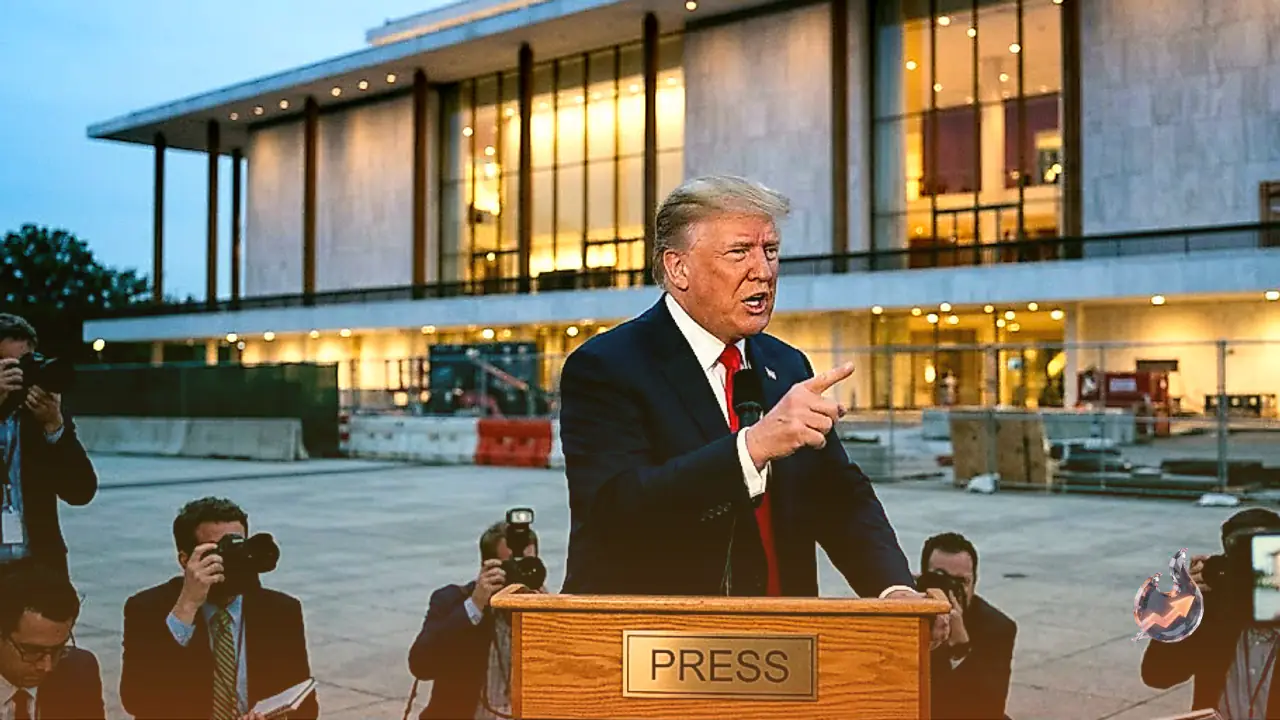
Addressing the plan on social media, President Donald Trump stated that no comparable facility exists anywhere else on the globe. He noted that among the 59 foremost capitals and major global cities, Washington, D.C. remained the sole capital lacking a triumphal arch, asserting that the new hybrid complex will emerge as the grandest monument of its kind.
Background on The Arlington High-Rise
Beyond the geographic bridge site, the Arlington designation is notably linked to The Arlington in Charlotte, North Carolina. Standing 310 feet or 94 meters tall across 24 stories, the tower was finished in 2003 as Charlotte's pioneering residential and mixed-use high-rise. Spearheaded by builder Jim Gross, recognized for developing the city's early downtown loft projects like Ivey's, the building features an open-air rooftop swimming pool.