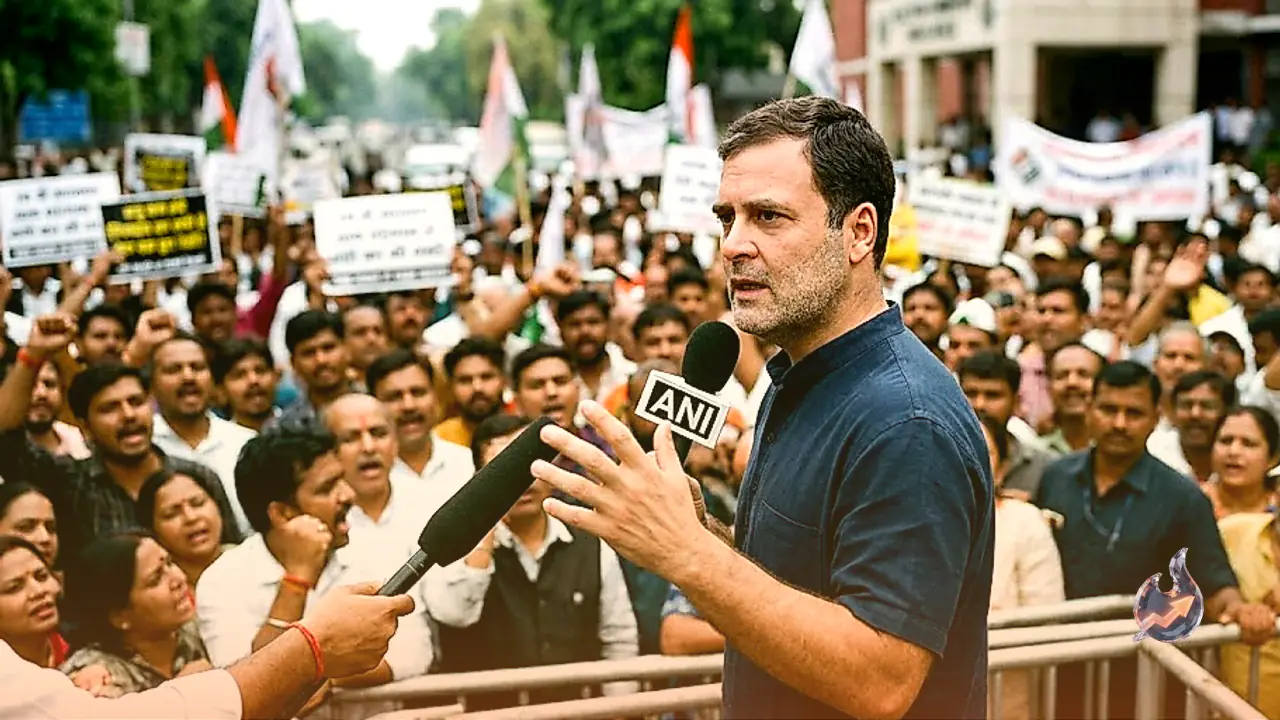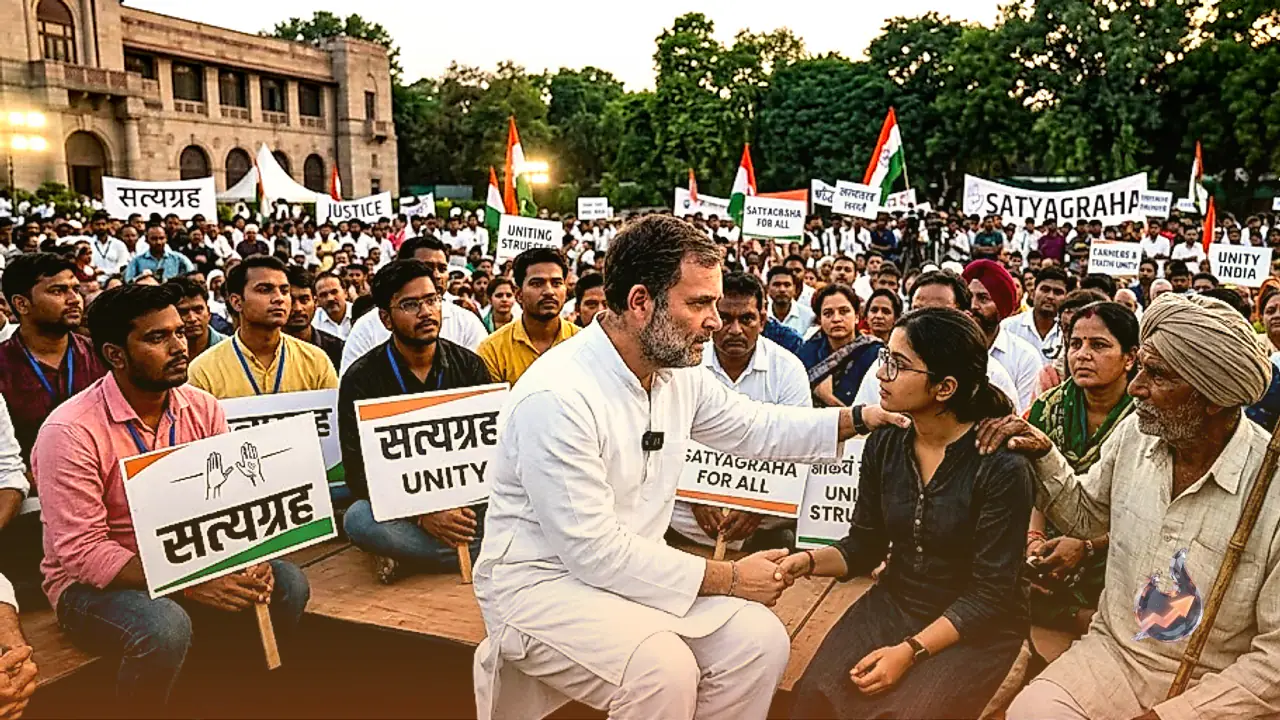























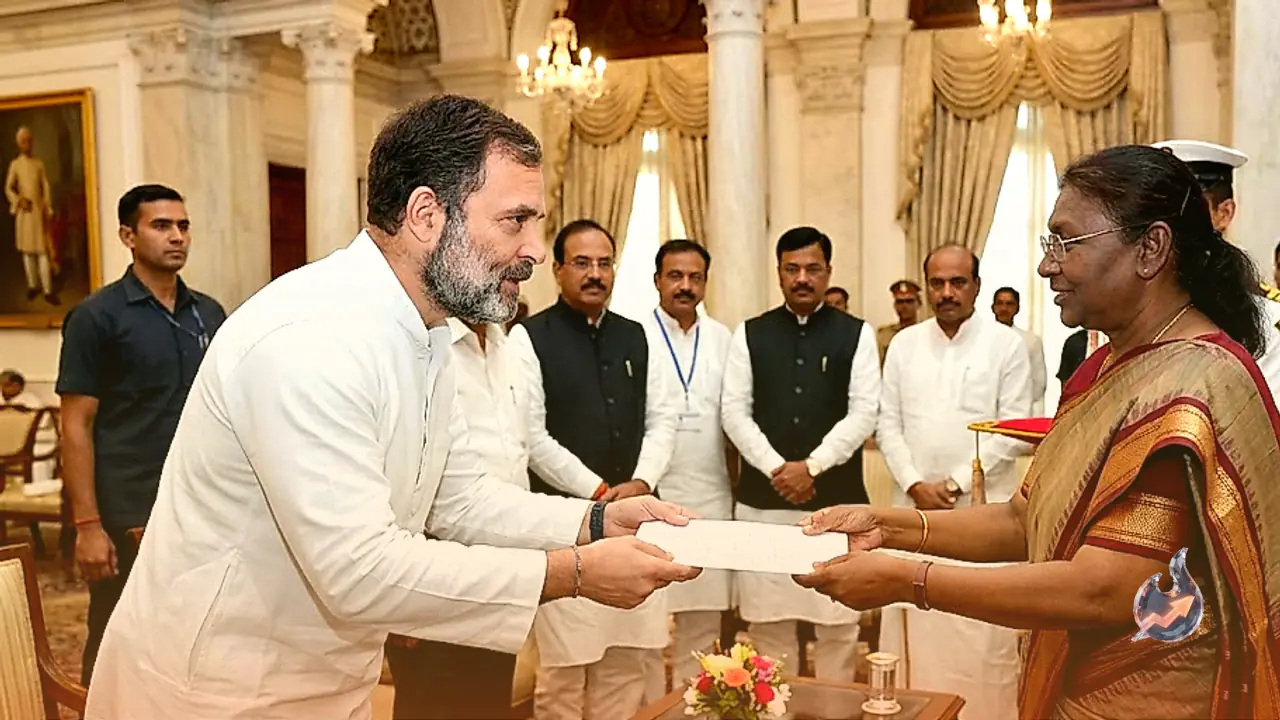

A sharp political confrontation has erupted following a high-profile meeting between Congress leader Rahul Gandhi and President Droupadi Murmu. The opposition delegation visited the Rashtrapati Bhavan to present a memorandum regarding the functioning of the electoral machinery. The remarks made immediately following the interaction have intensified hostilities between the ruling dispensation and the opposition, putting the integrity of national electoral bodies at the center of debate.
Memorandum Demands CEC Resignation and Raises Institutional Questions
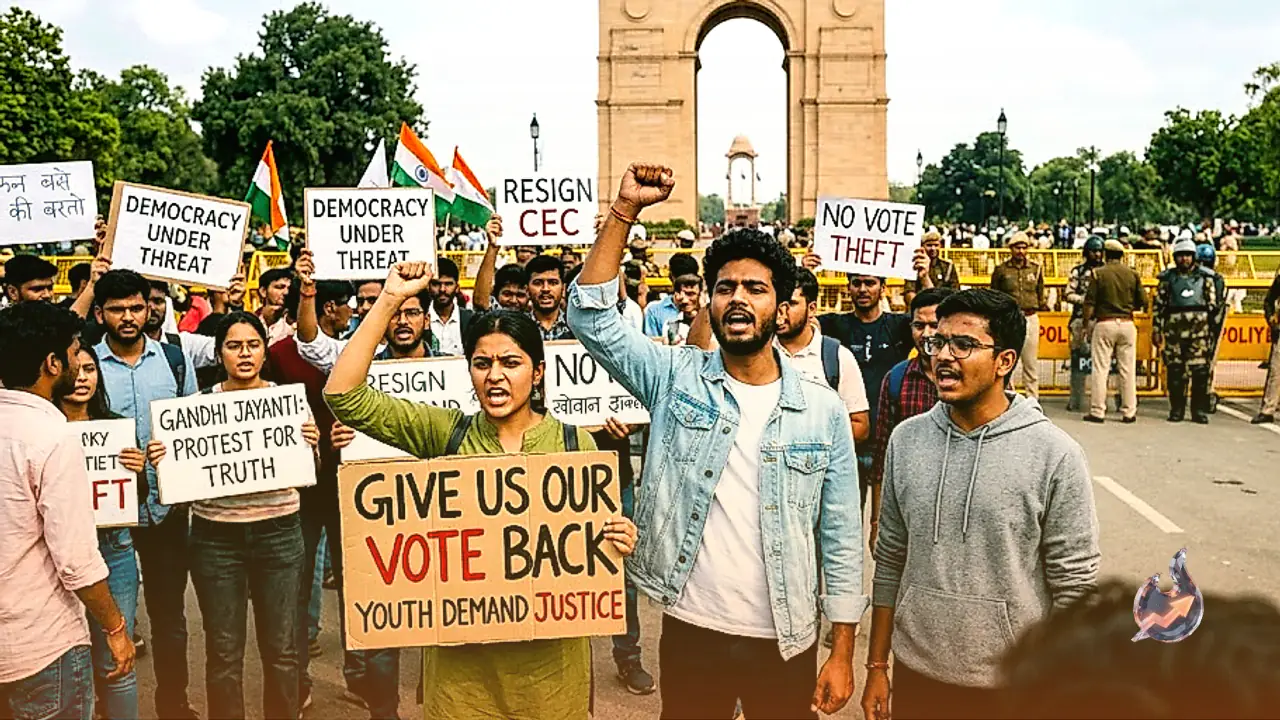
During the interaction, the opposition formally presented its representation raising serious concerns over the administration of democratic processes. The memorandum directly accused Prime Minister Narendra Modi and Home Minister Amit Shah of subverting the electoral framework. In a significant institutional challenge, the representation formally sought the immediate resignation of Chief Election Commissioner Gyanesh Kumar, alleging systemic compromises in recent polling procedures.
Rahul Gandhi Outlines Claims After Rashtrapati Bhavan Meet
Addressing the outcome of the meeting on public platforms, Rahul Gandhi expressed astonishment at the interaction, claiming that the President acknowledged the arguments presented regarding electoral manipulations. Raising allegations centered on what he described as vote theft, Gandhi indicated that the discussion was unprecedented. He emphasized that the opposition placed detailed accounts before the head of state to seek corrective intervention and preserve foundational democratic systems.
BJP Rebuts Statements as Sudhanshu Trivedi Slams Claims
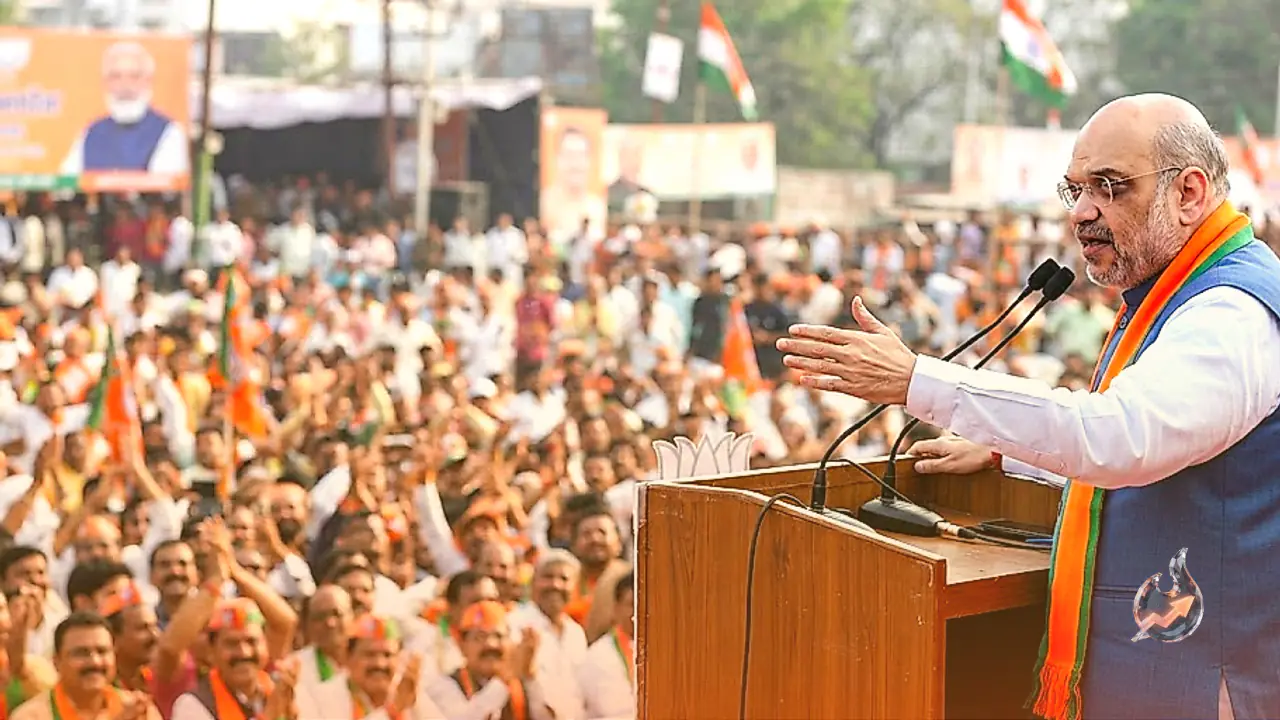
The assertions triggered an immediate and forceful counter-offensive from the Bharatiya Janata Party. Criticizing the Congress leader's interpretation of the meeting, BJP spokesperson Sudhanshu Trivedi condemned the narrative being built around the confidential deliberations with the President. The ruling party maintained that leveling baseless accusations against independent institutions and the country's top leadership without providing concrete evidence reflects an attempt to undermine public confidence in democratic exercises.
Public Reaction
Public sentiment regarding the controversy remained sharply divided across digital platforms. While some citizens backed the call for institutional scrutiny and greater transparency in polling systems, others questioned the legitimacy of making sweeping claims without presenting tangible proof, describing the move as politically motivated posturing.