
















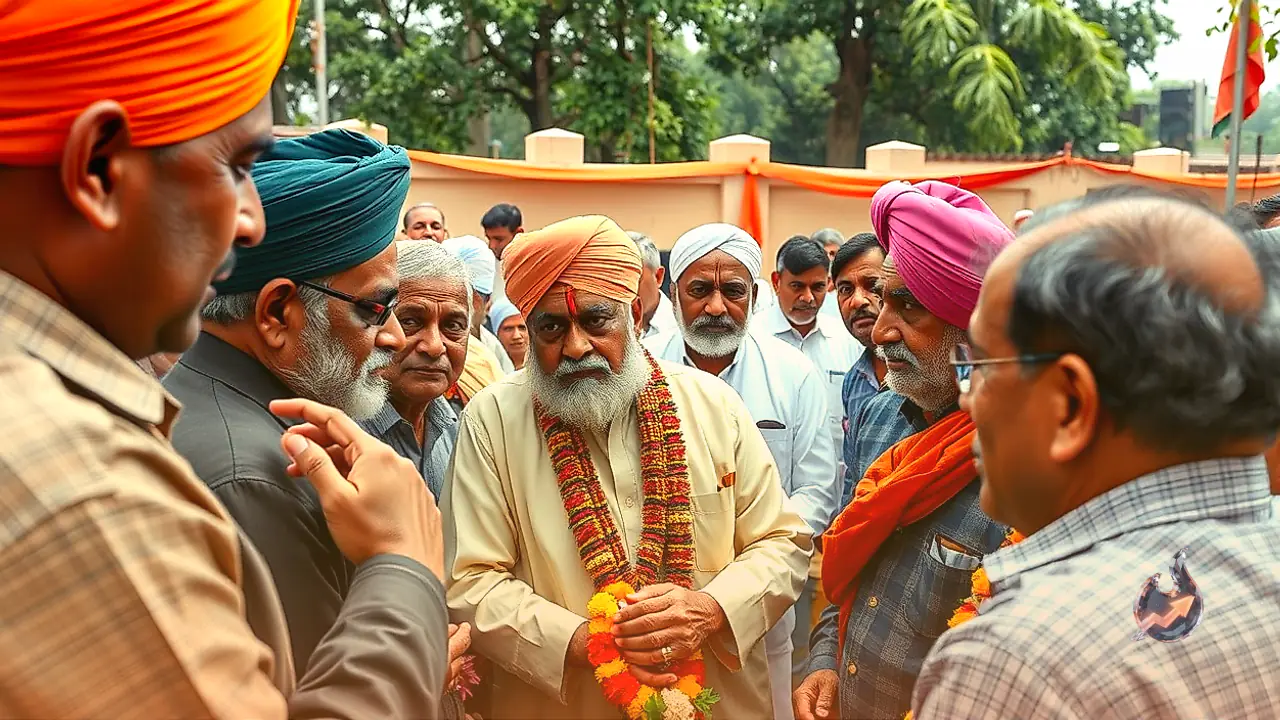

India paid homage to its second Prime Minister, Lal Bahadur Shastri, on his birth anniversary on October 2, observing the solemn occasion alongside the birth anniversary of Mahatma Gandhi. Across national and regional platforms, government representatives, political leaders, and educational institutions held memorial events and discussions to reflect upon Shastri's lasting contributions to public administration, moral governance, and national resilience.
Rajnath Singh Commends Shastri's Principles and Courage
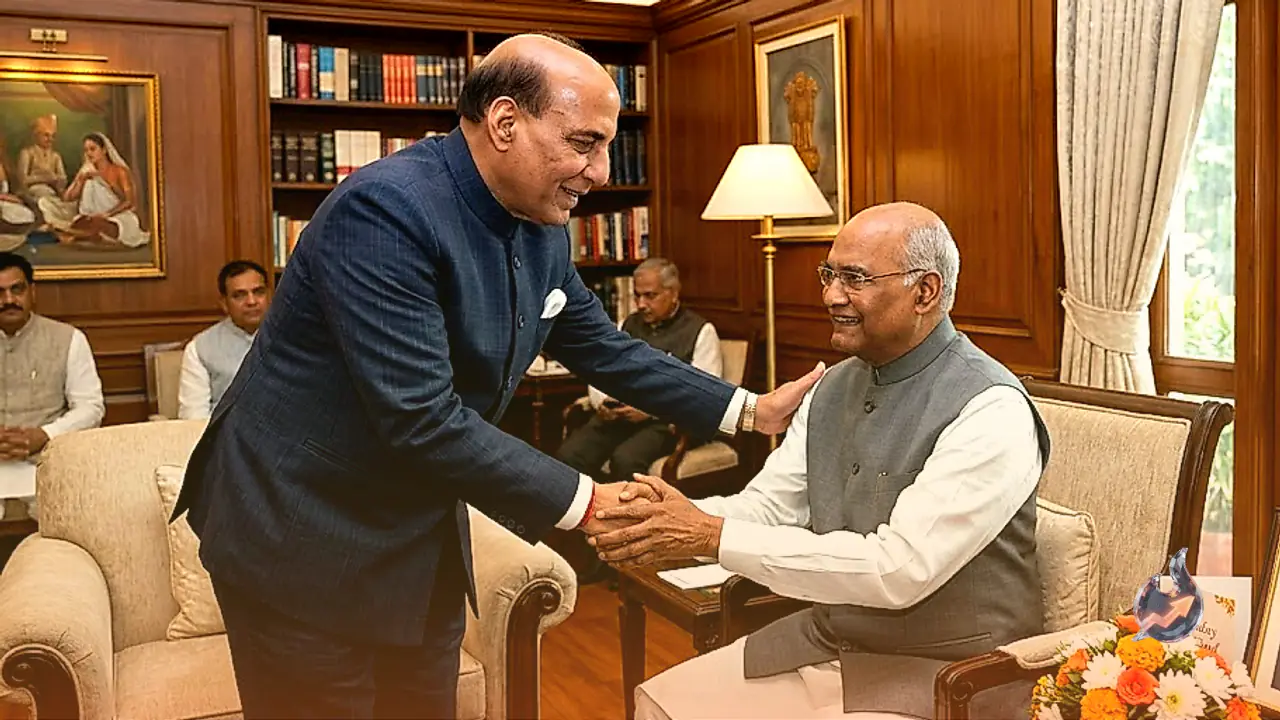
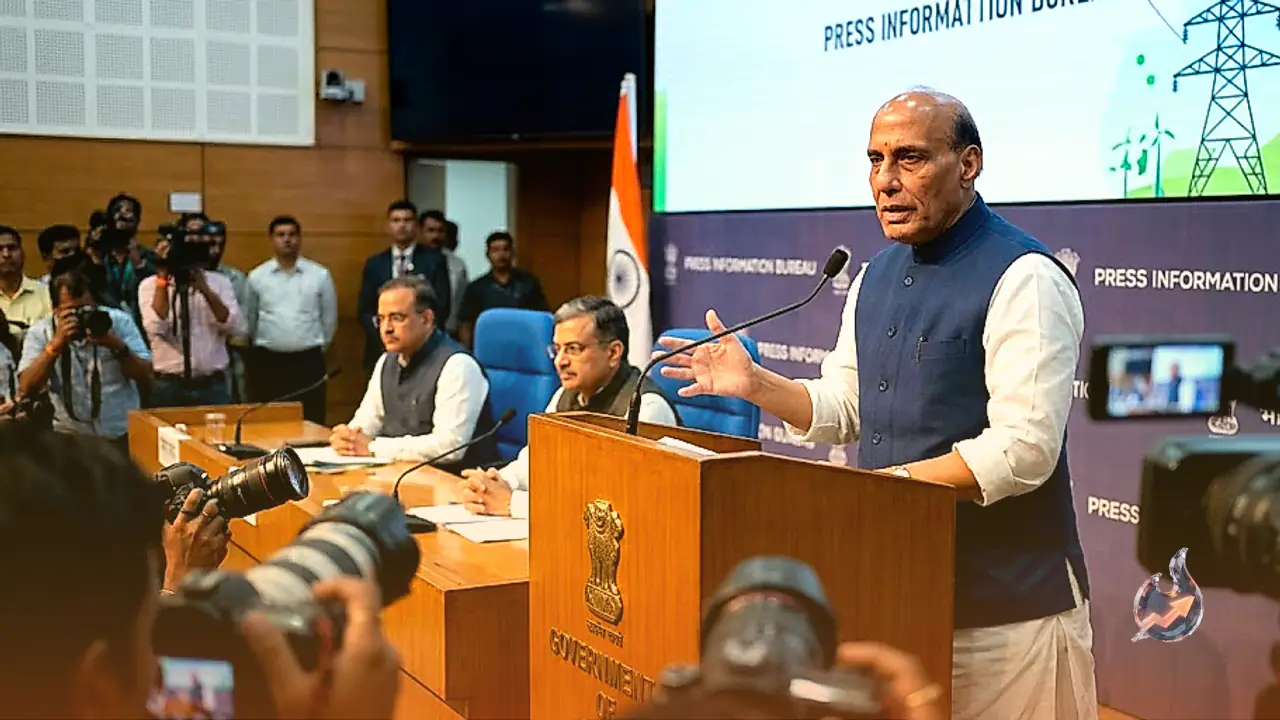
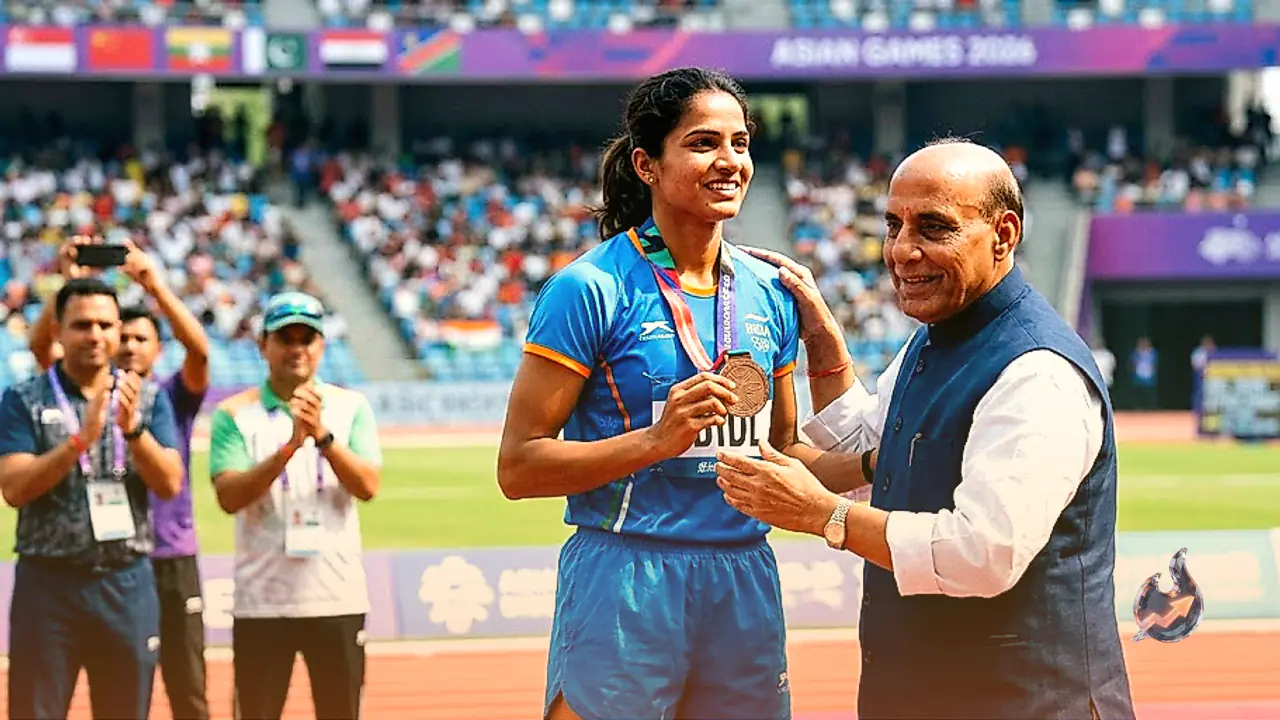
Joining the nation in honoring the leader, Rajnath Singh wrote on X that he bowed in deep respect to former Prime Minister Lal Bahadur Shastri on his birth anniversary. Emphasizing Shastri's upright character, Singh noted that his life was deeply respected among citizens for sheer honesty, high moral values, and an extraordinary sense of duty. The minister remarked that Shastri embodied a rare combination of personal humility and immense inner courage, showing that modesty could comfortably coexist with resolute leadership in moments of national crisis.
Nationwide Tributes and Commemorative Gatherings
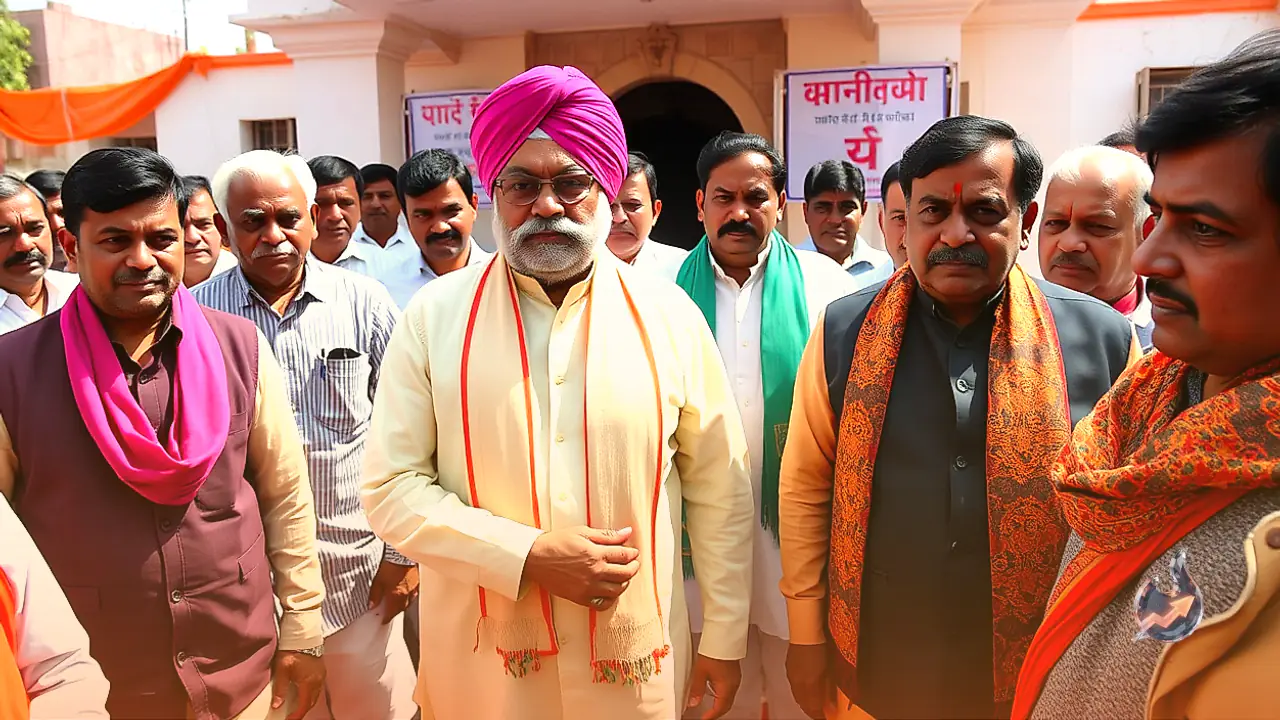
Commemorations took place in multiple states as public figures recalled the legacy of both Mahatma Gandhi and Lal Bahadur Shastri. Uttar Pradesh Chief Minister Yogi Adityanath underlined the contemporary relevance of their thoughts, while Uttarakhand Chief Minister Pushkar Singh Dhami encouraged citizens to integrate their messages into daily life. Prime Minister Narendra Modi paid floral tributes at the national memorials in New Delhi. Academic institutions and civil society groups also conducted lectures and cultural gatherings reflecting on Shastri's austerity, resilience, and ethical leadership.
About Lal Bahadur Shastri
Lal Bahadur Shastri served as the second Prime Minister of independent India from June 9, 1964, until his passing on January 11, 1966. Despite lasting approximately eighteen months, his tenure left an enduring legacy of steadfast governance during critical trials. Educated at Kashi Vidyapith, where he earned the scholarly title of Shastri, he began his administrative career as a parliamentary secretary in Uttar Pradesh after independence. Serving later as the minister of police and transport in the cabinet of Govind Ballabh Pant, he pioneered the employment of women conductors on public transport and instituted the use of water jets instead of batons for crowd control. Appointed general secretary of the All India Congress Committee in 1951 under Jawaharlal Nehru, he was widely recognized for his organizational diligence during the general elections of 1952, 1957, and 1962.
Public Reaction
Citizens responded to the tribute by invoking Shastri's iconic national motto, Jai Jawan Jai Kisan. Many expressed reverence for his unblemished public life, personal austerity, and selfless dedication to the nation.