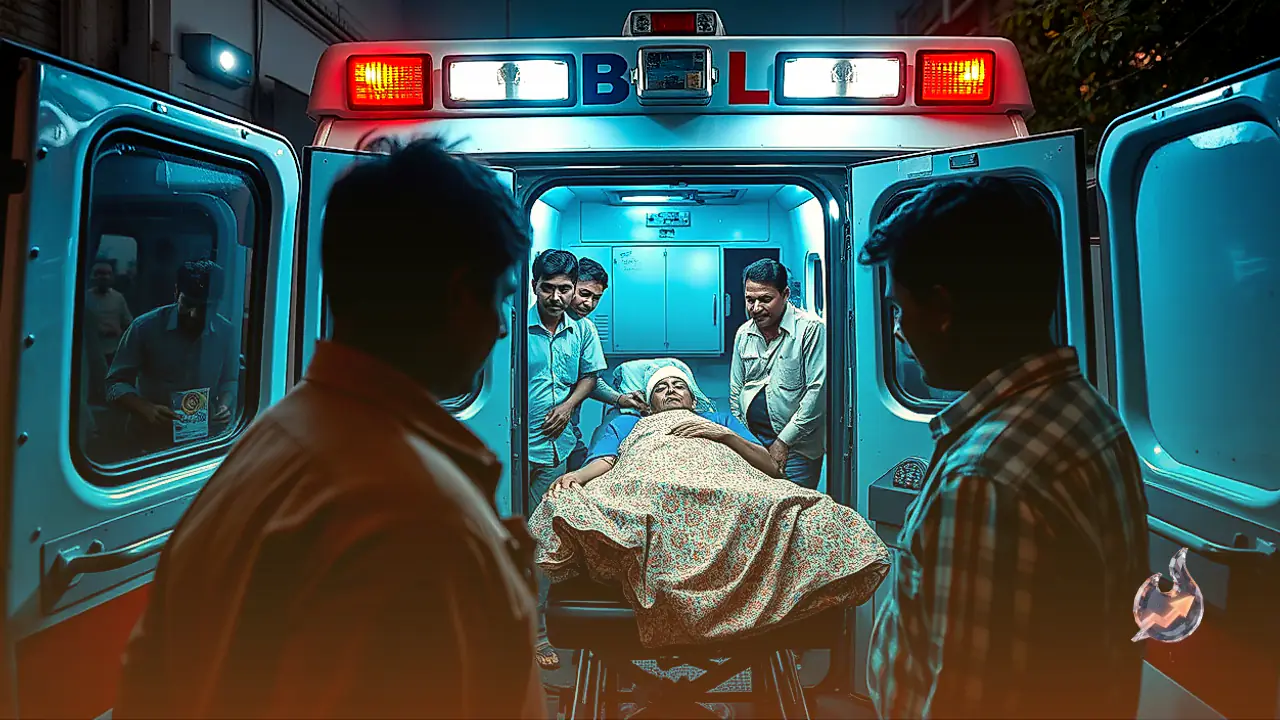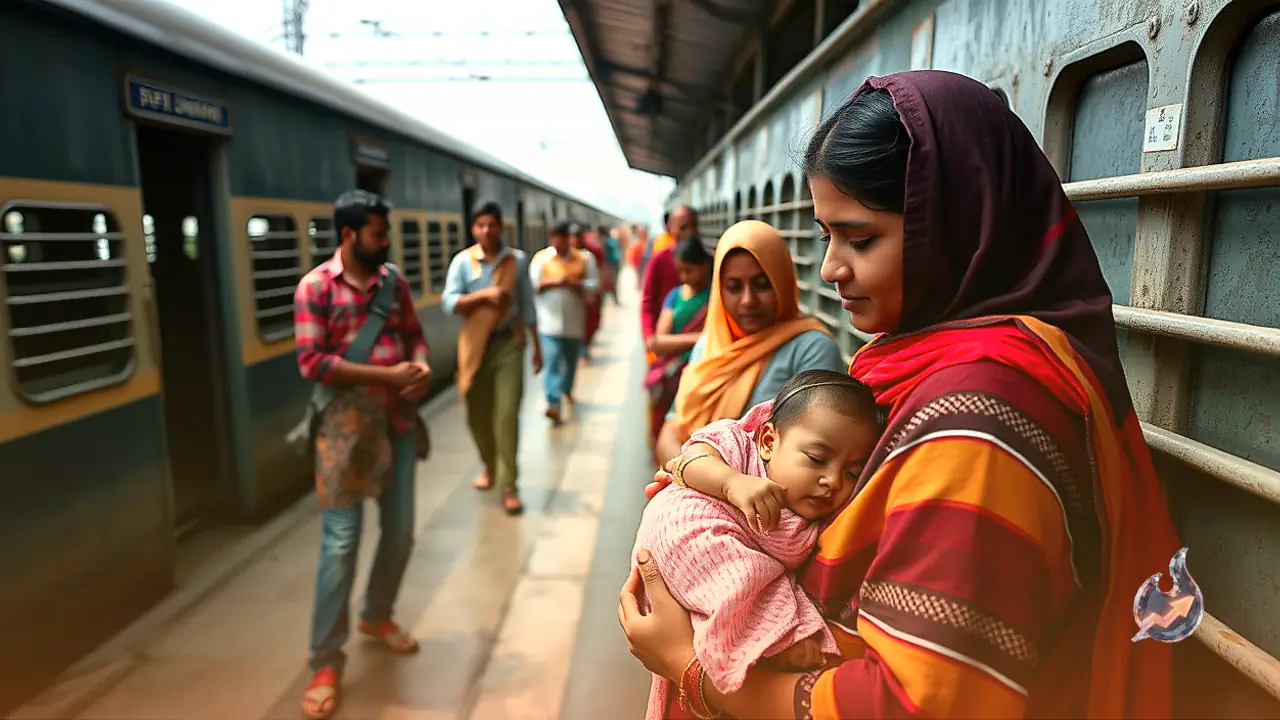



















A distressing breakdown of public healthcare support has emerged from Nabarangpur district in Odisha, where an impoverished family had to mortgage their ration card simply to take home the body of their deceased infant. Struggling under the sudden loss of their newborn son, the parents were left stranded without the state-run Mahaprayan hearse service, ultimately forcing them to scrape together 5,000 rupees to hire a private ambulance for the journey back to their village.
Referrals Across Hospitals for Underweight Newborn
The sequence of events began when Ambika Nayak, a resident of Daleguda village in Nabarangpur district, gave birth to a boy on September 29 at the Papadahandi community health centre. The infant was critically underweight at birth, prompting attending doctors to refer him to the Nabarangpur district headquarters hospital for specialized care. As the child required further medical intervention, he was subsequently shifted to Saheed Laxman Nayak Medical College and Hospital situated in Koraput.
Tragic Death and Bureaucratic Indifference
Despite treatment at the premier facility, the newborn passed away late on Thursday night. While the grief-stricken family was grappling with the tragedy, arranging transportation for the infant's remains became an insurmountable obstacle. Medical staff advised the relatives to utilize the government's Mahaprayan hearse fleet to carry the body home. However, when the relatives requested the facility, staff informed them that the vehicle had developed engine trouble and could not undertake a journey spanning roughly 60 kilometres.
Ten Hours of Futile Waiting and Insensitive Suggestions
Relatives of the deceased child, including family member Pushta Bhatra, recounted that hospital staff initially assured them a hearse would arrive by roughly 1 am. Relying on those assurances, the family waited by the body throughout the cold night. By 10 am the following morning, no government vehicle had materialized. To compound their ordeal, relatives alleged that certain staff members even suggested burying the child near the medical facility or carrying the mortal remains on a motorcycle.
Pawning the Ration Card for the Final Rites
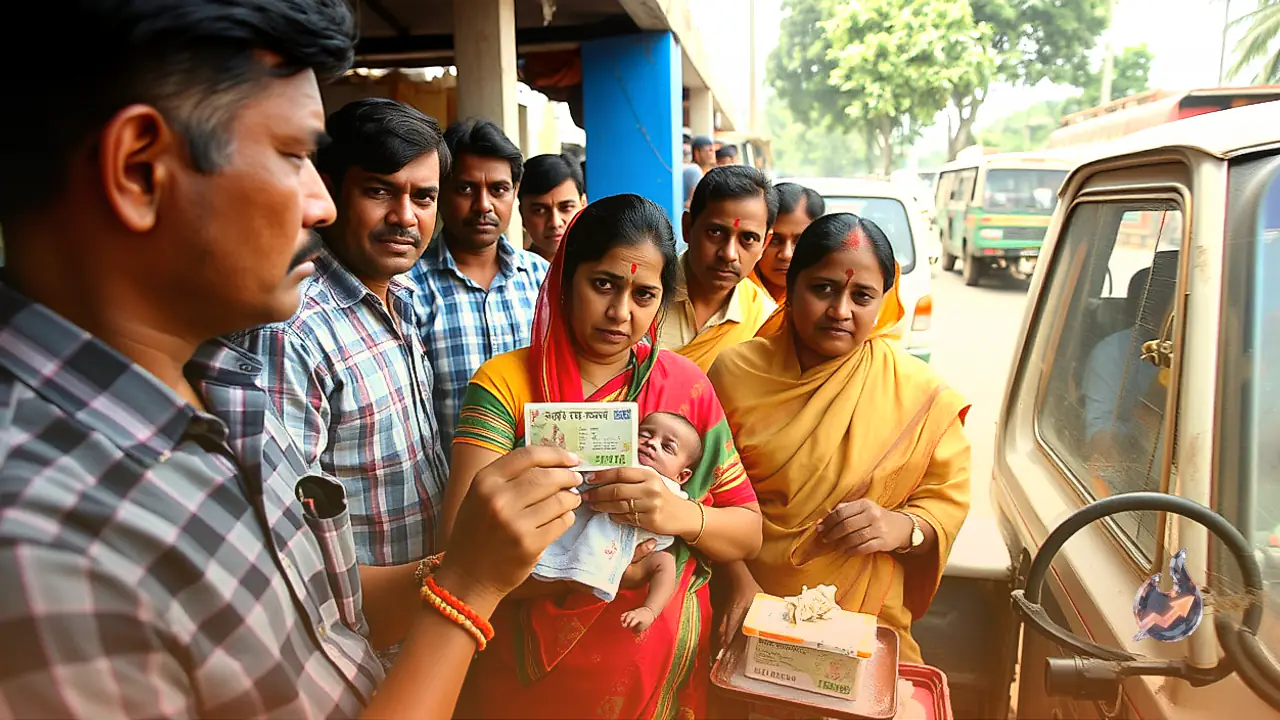
Determined to conduct the final rites in their ancestral village according to traditional customs, the impoverished household had no choice but to find money immediately. Lacking sufficient cash savings, they pledged their ration card to secure emergency funds. With the 5,000 rupees collected, they engaged a private ambulance to transport the newborn back to Daleguda, where family members performed the funeral according to their community traditions.