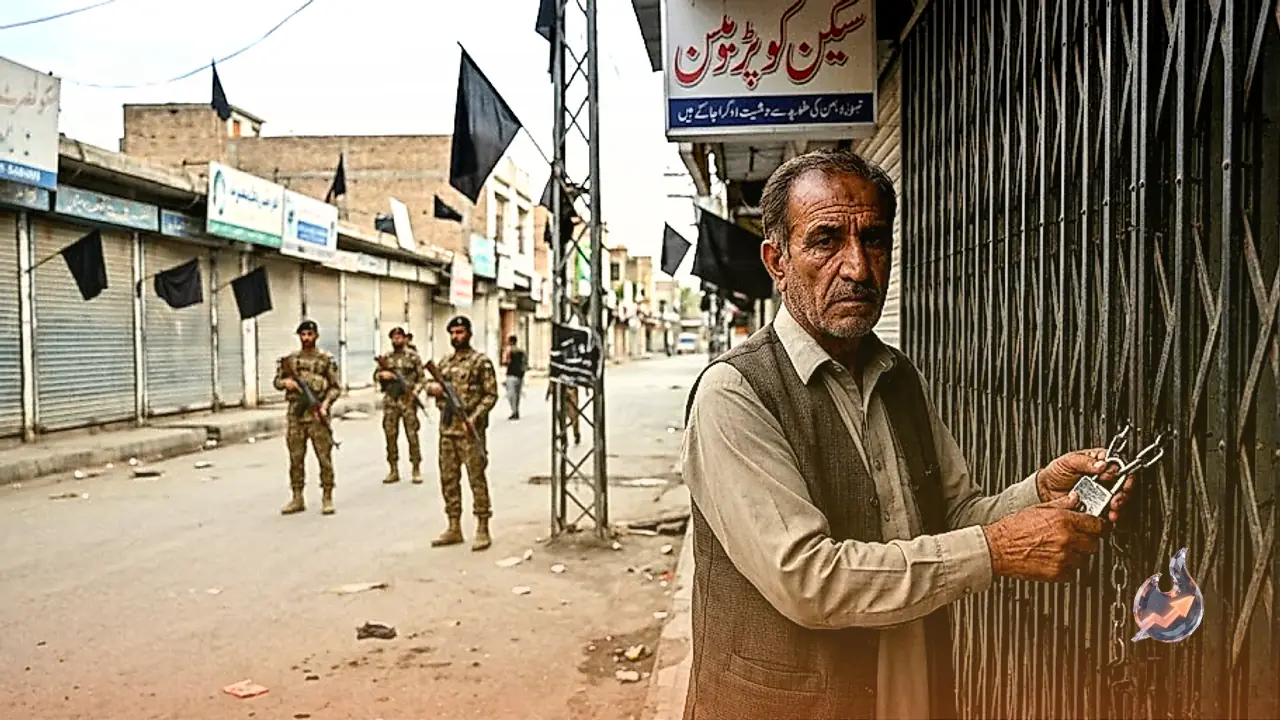



















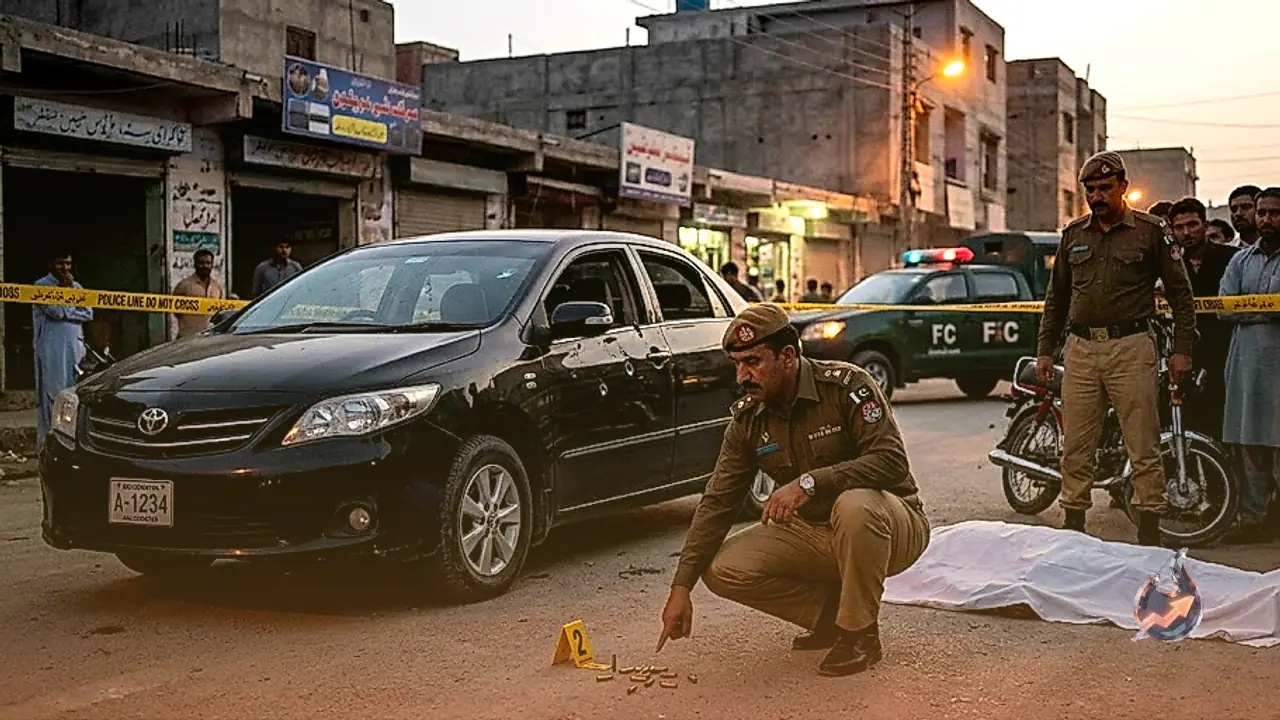

Farooq Muhammad Hasni was shot dead in the Saryab Mill area of Quetta at approximately 7:00 PM on the evening of August 10. The Baloch Liberation Army (BLA) claimed full responsibility for the targeted killing, asserting that Hasni functioned as a strategic informant for the Pakistani military and state intelligence agencies while operating as a core figure within a local death squad network.
Targeted Action Under Operation Gubat
The insurgent organization framed the deadly attack as a deliberate component of its ongoing campaign designated as 'Operation Gubat'. According to details released by the group, the BLA's dedicated intelligence division had maintained close surveillance over Hasni's activities and travel patterns for an extended period. The field operatives executed the strike with precision immediately after confirming Hasni's arrival in Quetta following his movement from Manguchar. BLA spokesperson Azad Baloch stated that Hasni had been actively engaged in anti-insurgency military drives since the 2015-2016 period, conducting operations across several regions including Manguchar, Geshk, Kalat, Johan, and Nagaho.
Allegations of Death Squad Operations and State Support
Spokesperson Azad Baloch further alleged that Hasni assisted state security forces during tactical raids aimed at neutralizing Baloch freedom fighters and suppressing local civilian communities. The BLA claimed that Hasni participated directly in state-backed abductions, enforced disappearances, and extrajudicial executions targeting Baloch dissidents. In return for facilitating these military crackdowns and intelligence gathering efforts, Pakistani armed forces and intelligence services provided Hasni with firearms, specialized vehicles, and comprehensive logistical backing. The BLA issued a firm declaration warning that anyone collaborating with state agencies against the Baloch self-determination movement will remain on their hit list as the armed conflict progresses.
Human Rights Crisis and Resource Exploitation in Balochistan
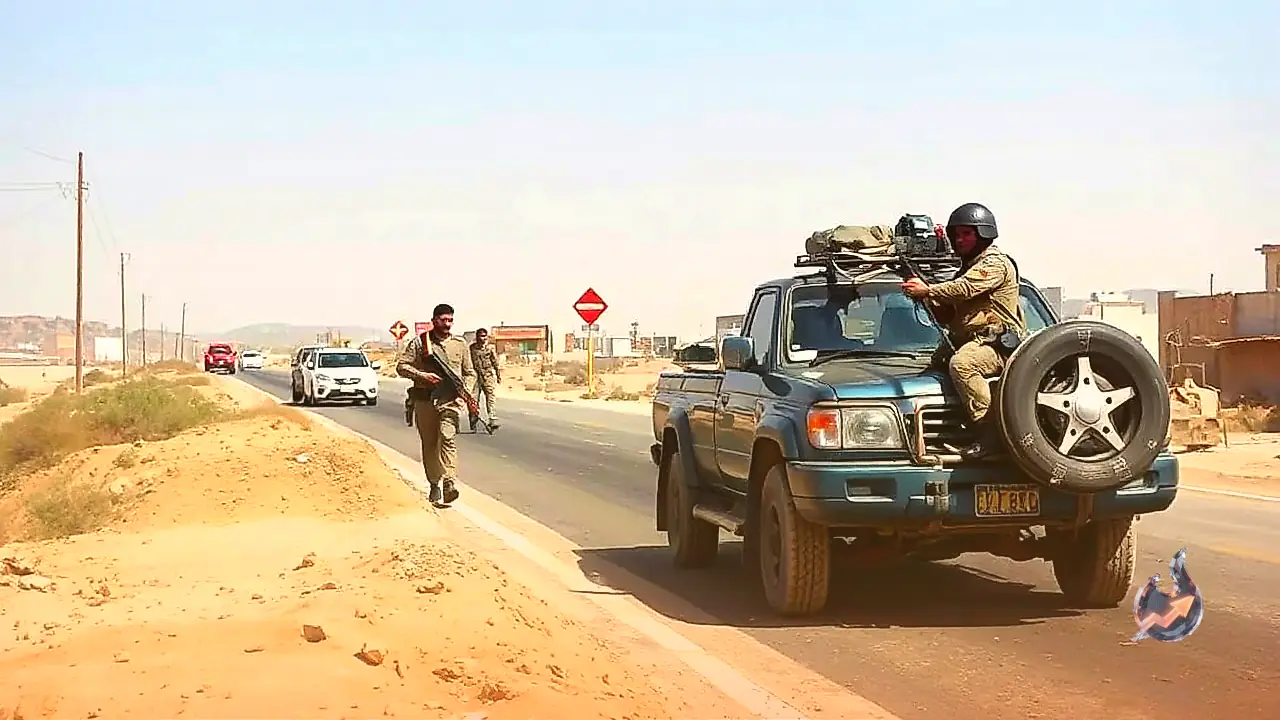
This assassination underscores the broader human rights crisis and military escalation that has long characterized the Balochistan region. International human rights watchdogs have consistently reported severe, state-sanctioned abuses across the province, identifying Pakistani security forces and intelligence organs as primary perpetrators. Documented atrocities include widespread enforced disappearances, prolonged custodial torture, and extrajudicial killings aimed at silencing Baloch political activists, university students, journalists, and community members.
Underlying this violent confrontation is intense regional discontent over the central government's extraction and control of Balochistan's rich natural gas and mineral reserves without delivering tangible economic benefits to the local population. Fueled by persistent state repression, political disenfranchisement, and human rights violations, separatist groups like the Baloch Liberation Army continue their armed movement demanding total independence and sovereignty for Balochistan.