























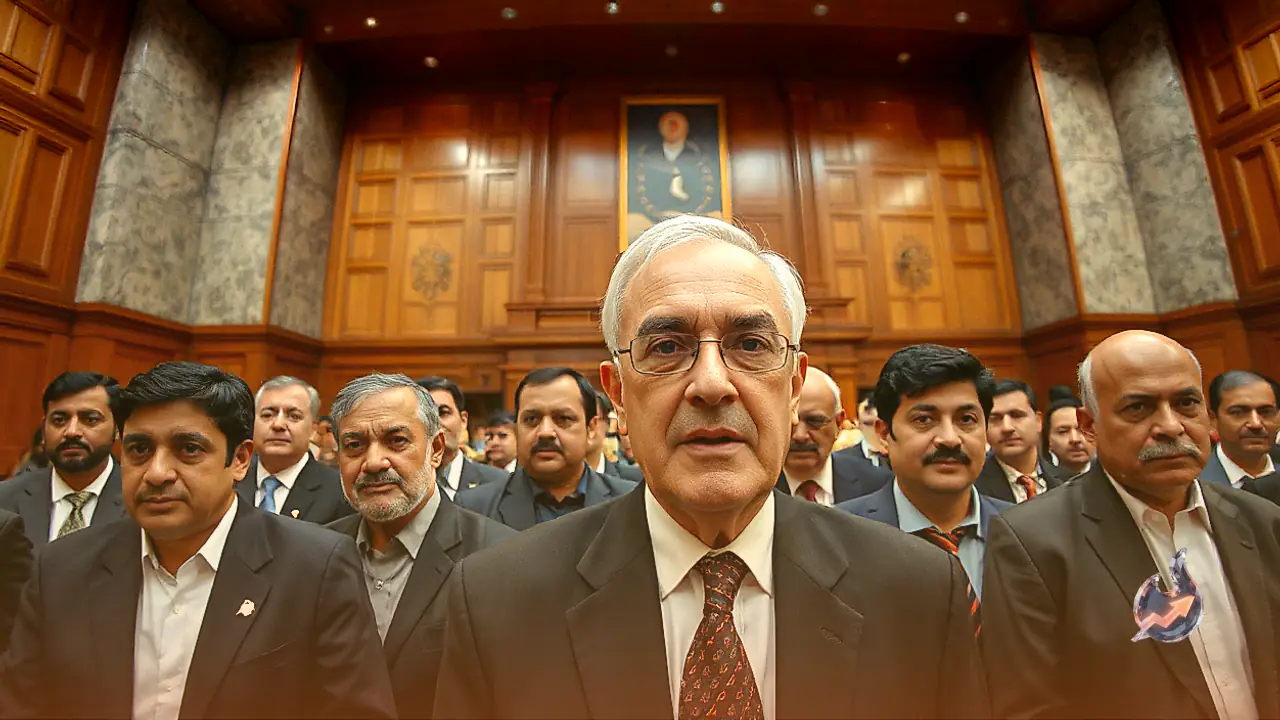

Pakistan is witnessing an unprecedented upheaval across its political corridors and judicial chambers. The governance and military leadership have drawn intense scrutiny over alleged moves to strip courts of their autonomy. Amid this simmering tension, a senior jurist from the Lahore High Court has taken a definitive stand that has rattled the nation's power structures.
The Core Controversy Over Constitutional Amendments
At the heart of the current standoff are the contentious 26th and 27th constitutional amendments. Critics argue that these legislative changes are designed to subordinate the independent judiciary and consolidate absolute control within the executive branch. Imran Khan's party PTI has repeatedly accused the ruling coalition of attempting to establish an undeclared dictatorship by manipulating judicial transfers and appointments to shield themselves from legal accountability.
A Direct Challenge From the Bench
Justice Mohsin Akhtar Kayani delivered a sharp blow to the administration by dispatching his resignation directly to President Asif Ali Zardari. In his departure note, he reportedly emphasized that these modifications have compromised the foundational independence of the courts. This bold maneuver has brought the deep fractures within Pakistan's institutional framework into public view.
A Pattern of Resignations Among Senior Jurists
This departure is not an isolated incident within the higher judiciary. Several notable figures, including Supreme Court Justices Syed Mansoor Ali Shah and Athar Minallah, alongside Lahore High Court Justice Shams Mahmood Mirza, have previously stepped down from their positions. Observers note that judges who refuse to align with the directives of the establishment frequently face systemic pressure and controversial administrative reassignments.