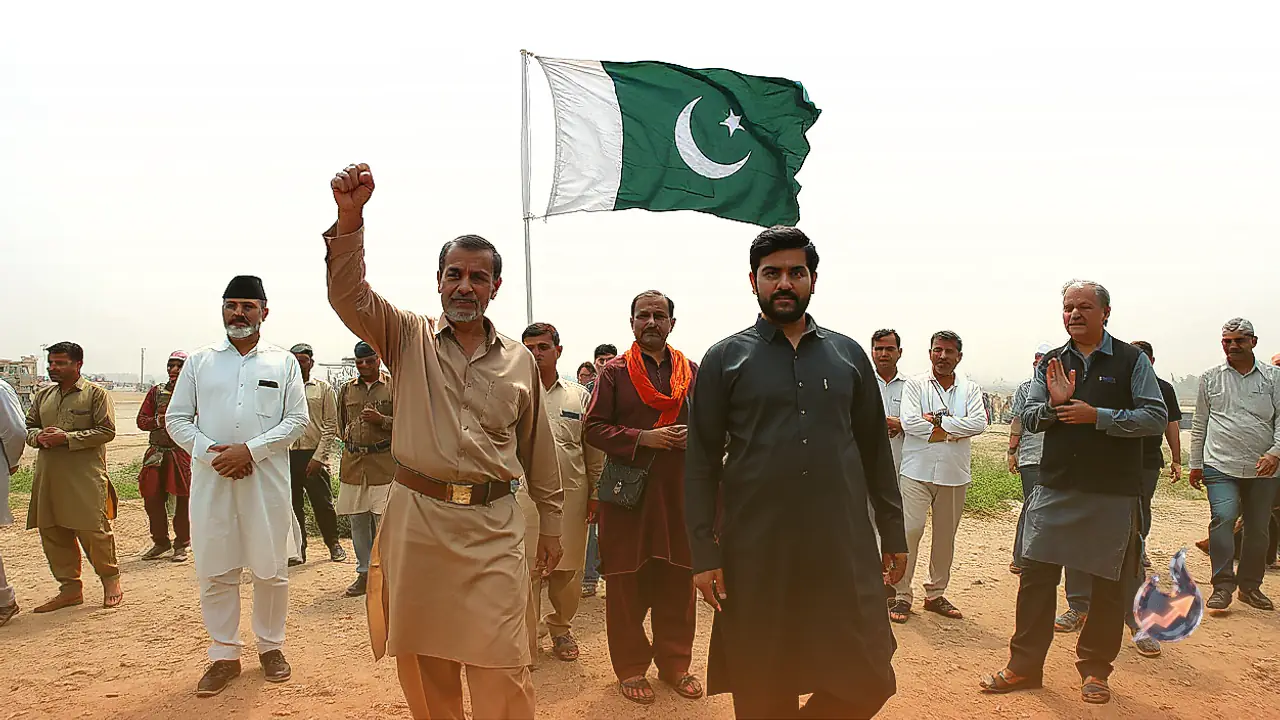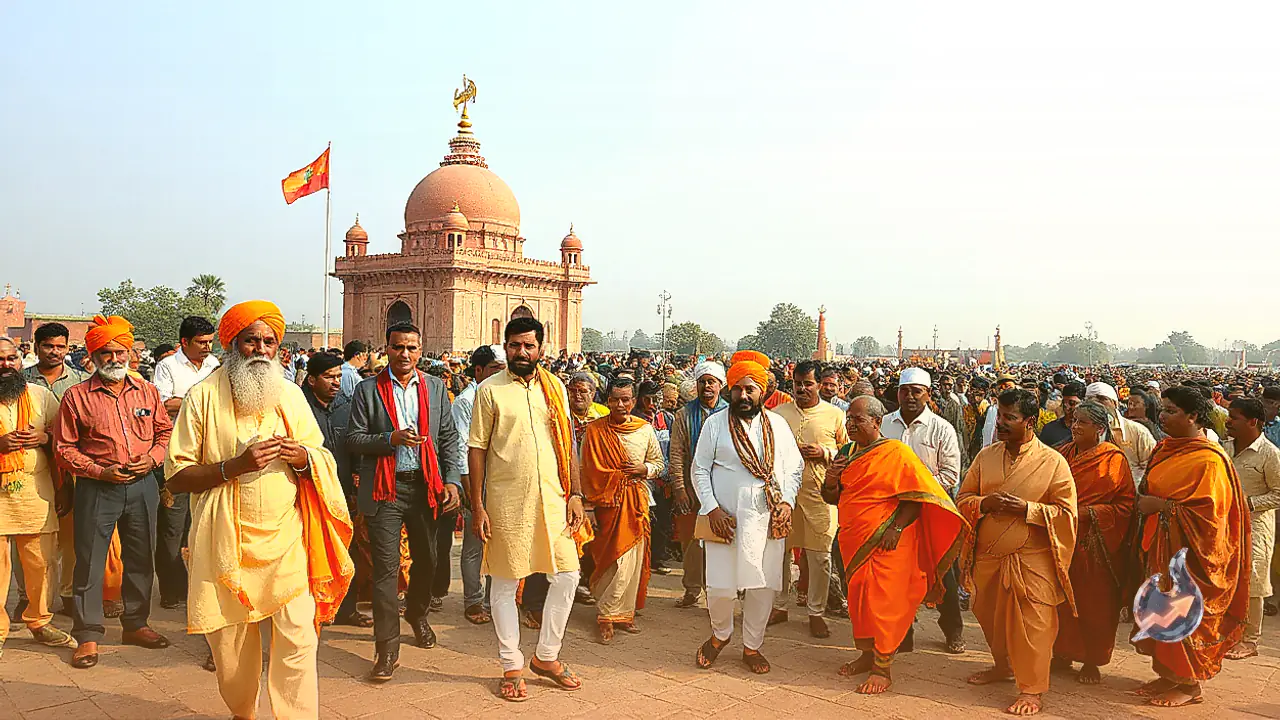

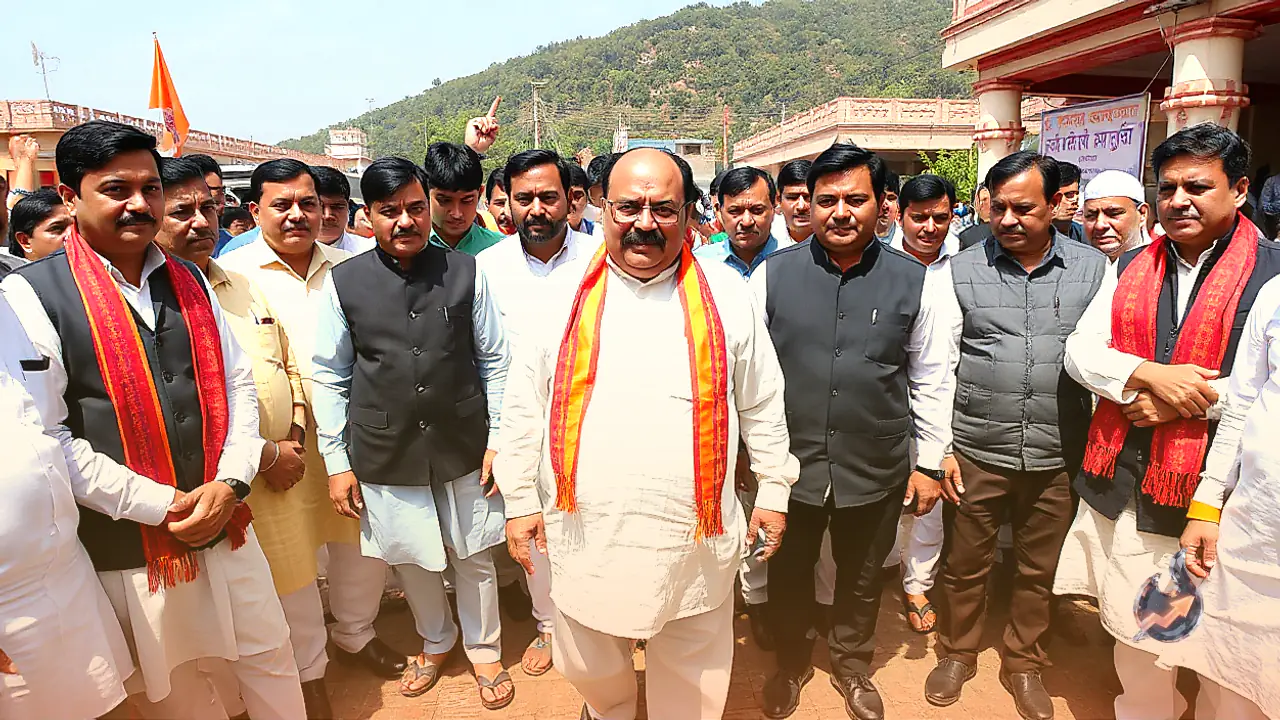

















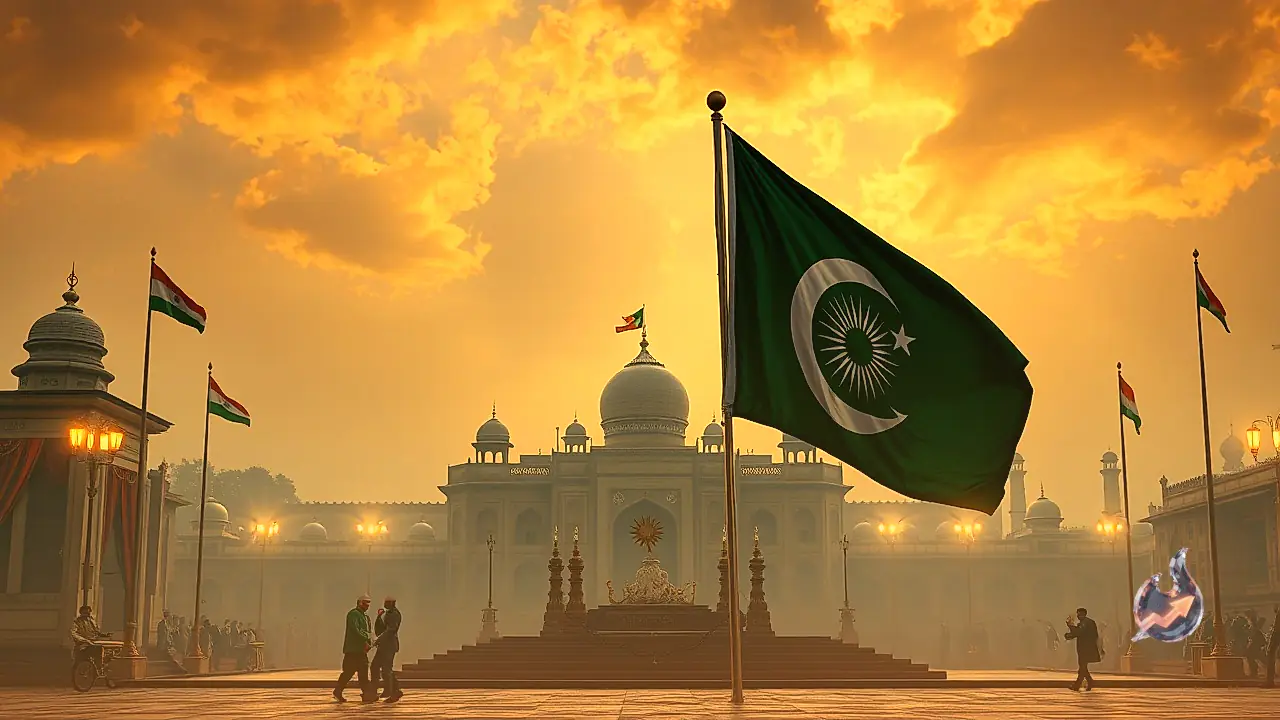

During the official celebrations marking Pakistan's Independence Day on August 14, the country's top political leadership engaged in familiar anti-India rhetoric in an effort to divert attention from pressing internal challenges. President Asif Ali Zardari focused his address on invoking the concept of Akhand Bharat while making sweeping claims regarding the freedom and preference of the nation's Hindu minority. Simultaneously, Prime Minister Shehbaz Sharif delivered a sharp speech targeting New Delhi over Kashmir and the suspension of the Indus Waters Treaty. Together, the addresses brought renewed attention to Pakistan's economic instability, security issues, and its controversial record on minority rights.
Asif Ali Zardari Invokes Akhand Bharat and Claims High Minority Satisfaction
Speaking at the Independence Day event, President Asif Ali Zardari alleged that people in India continue to subscribe to the ideology of Akhand Bharat. He contrasted this by asserting that Muslims possess an inherently tolerant mindset. Zardari claimed that the 4 percent Hindu population residing in Pakistan enjoys complete freedom, equal to that available anywhere else in the world. He further asserted that Pakistani Hindus would rather remain in Pakistan than move to India. Through these statements, Zardari sought to project an image of state tolerance and minority welfare, attempting to craft a favorable narrative on international platforms.
Census Reality versus Official Narrative on Pakistan's Minority Population
The claims made by President Zardari stand in sharp contrast to historical census figures and ground realities facing minority communities in Pakistan. At the time of independence in 1947, Hindus constituted approximately 20 to 25 percent of the total population in Pakistan. Over subsequent decades, persistent discrimination, forced religious conversions, and recurring attacks on places of worship have led to a drastic demographic decline, reducing the Hindu population to a mere 4 percent today. Human rights observers have frequently highlighted these systemic issues, contradicting official assurances regarding minority freedom.
Political Exploitation of Minorities Amid Internal Challenges
Observers note that Pakistani political leaders regularly highlight the status of the 4 percent Hindu population whenever the country faces severe internal distress, political instability, or deteriorating law and order. By presenting the presence of minorities as proof of state tolerance, the political establishment attempts to deflect external criticism and manage domestic pressure. On August 15, 2026, social media posts shared on X featuring census data and speech clips drew renewed attention to the disparity between Zardari's claims and documented demographic trends. Despite official claims, minority communities in Pakistan continue to fight for basic security and equal rights.
Shehbaz Sharif Raises Indus Waters Treaty and Issues Warnings
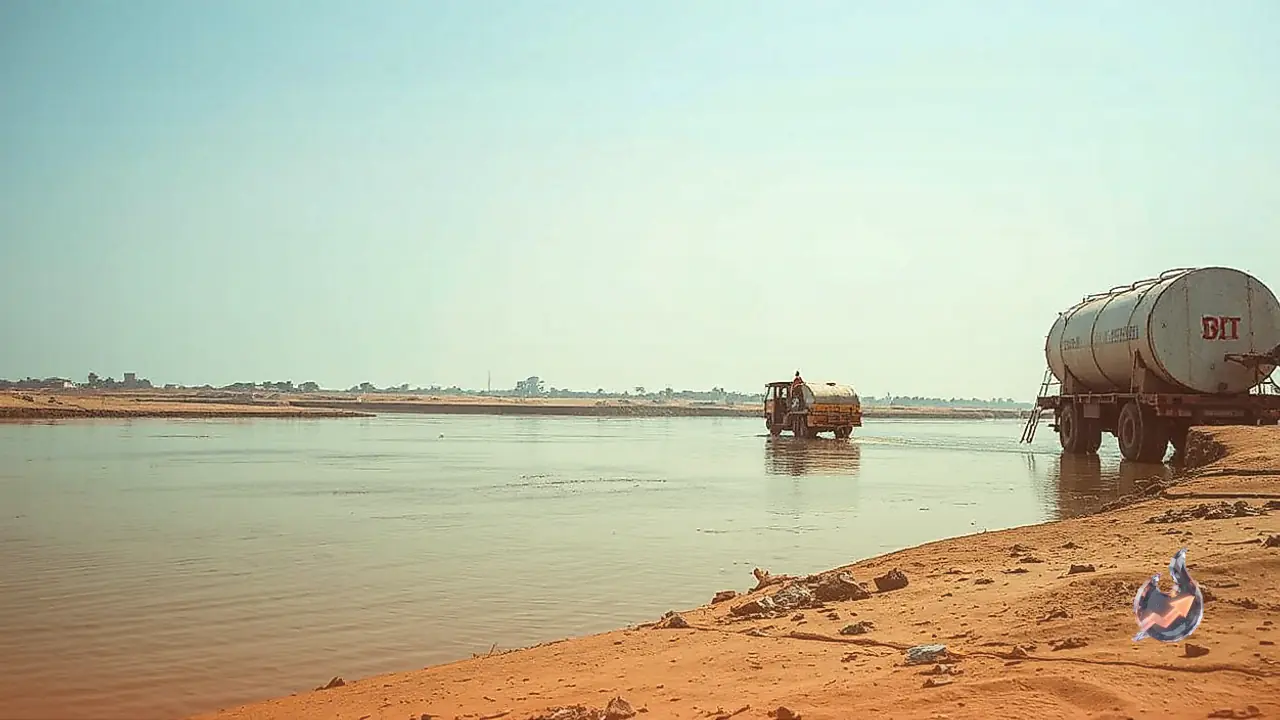
In his accompanying Independence Day address, Prime Minister Shehbaz Sharif directed sharp criticism toward India regarding regional security and water distribution. Sharif accused India of unilaterally and illegally suspending the long-standing Indus Waters Treaty. Adopting a warning tone, the Prime Minister stated that every single drop of Pakistan's water represents a red line for the nation. India's suspension of the treaty came as part of strict measures following military operations launched in response to the Pahalgam terror attack, a critical background that Sharif omitted during his speech.
Blaming Foreign Influences Amid Rising Border Tensions with Afghanistan
Prime Minister Shehbaz Sharif also attempted to link Pakistan's hostile relations with neighboring Afghanistan to external Indian involvement. While the Pakistani military has been actively conducting airstrikes targeting Afghan territory, Sharif claimed that Afghan soil was being utilized to execute terrorist attacks against Pakistan. Facing strong counter-responses from Afghan forces, the Pakistani political leadership sought to attribute regional border friction to third parties. The combined addresses of Zardari and Sharif underscored how Pakistan's governance continues to rely on external rhetoric to cover up domestic policy failures.