






















Pakistan is finding itself entangled in simultaneous internal and external crises of unprecedented severity. While public outrage across Pakistan-occupied Kashmir has transformed into widespread popular unrest, escalating insurgent attacks in Balochistan and volatile conditions along the Afghan frontier have stretched the country's security forces thin. Compounding this systemic breakdown is an acute shortage of energy and foreign reserves, prompting plans for drastic domestic rationing even as the Pakistani Navy engaged in dangerous manoeuvres against an Indian warship in the northern Arabian Sea.
Mass Protests in PoK Reach Century Mark as Four-Day Conclave Begins
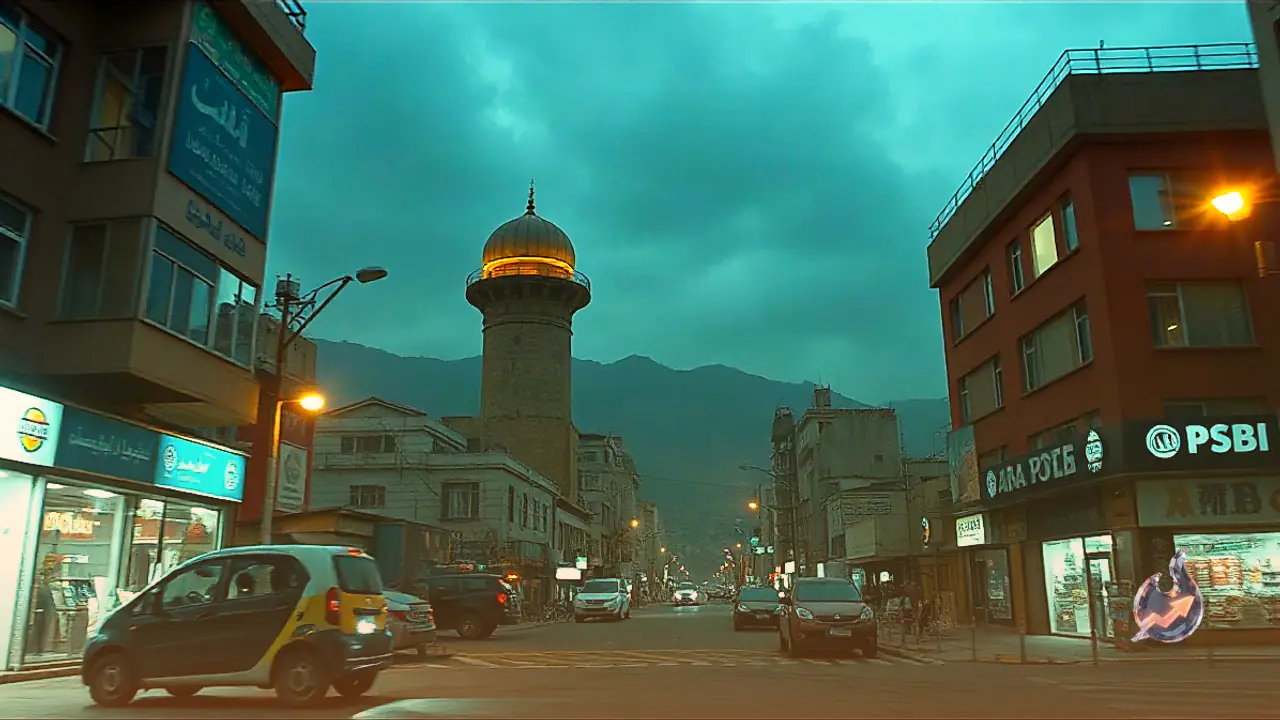
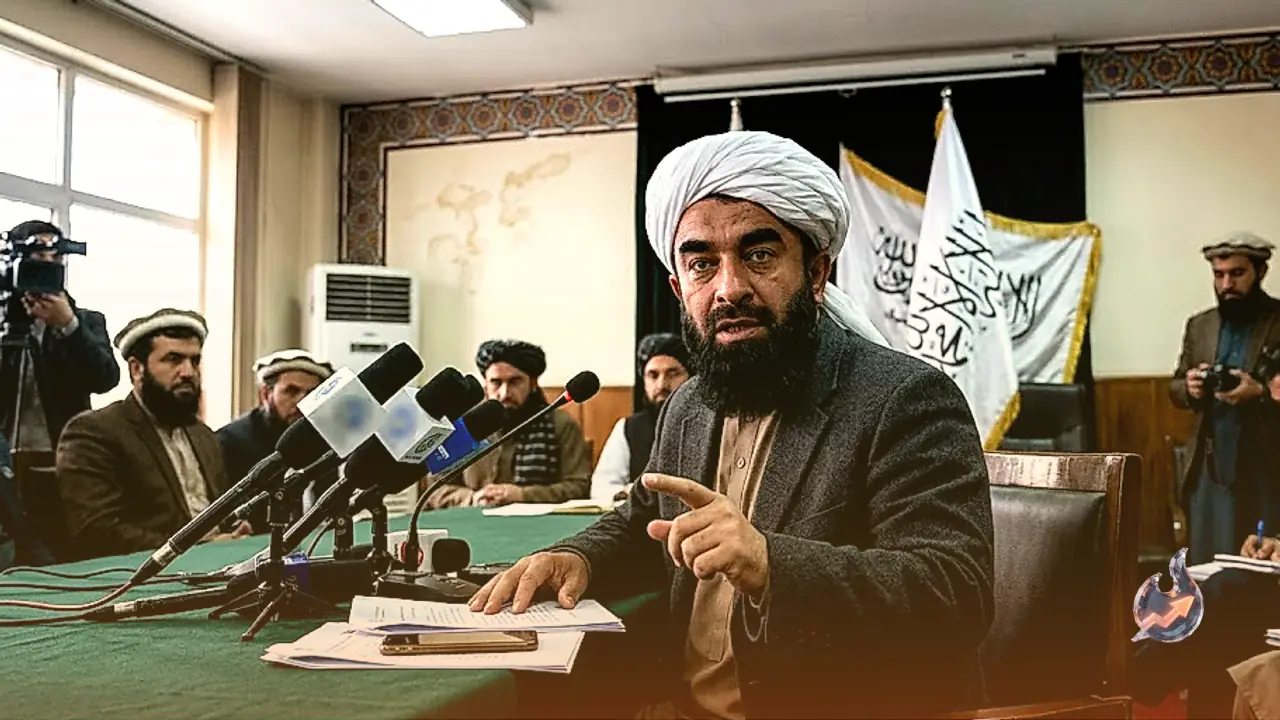
In Pakistan-occupied Kashmir, public resistance against the central government and the military establishment has intensified sharply. The mass campaign orchestrated by the Joint Awami Action Committee has now completed 100 continuous days of agitation. Local communities, deeply aggrieved over systemic inflation, economic deprivation, and heavy-handed military control, have taken to the streets in their thousands, declaring that they will no longer tolerate subjugation under Pakistani armed forces. Slogans expressing an intent to unite with India have become a prominent fixture of these demonstrations.
To consolidate this widespread civil resistance, the Joint Awami Action Committee convened a pivotal four-day conference scheduled from September 17 to September 20. The gathering brings together diverse civic factions including local business merchants, commercial transporters, student unions, and legal practitioners. By uniting these influential sectors to formalize their next course of collective defiance, the leadership of PoK aims to challenge Islamabad's authority directly, creating profound political anxiety within Pakistan's administrative apparatus.
Balochistan Defies Federal Authority Amid Rising Military Clashes
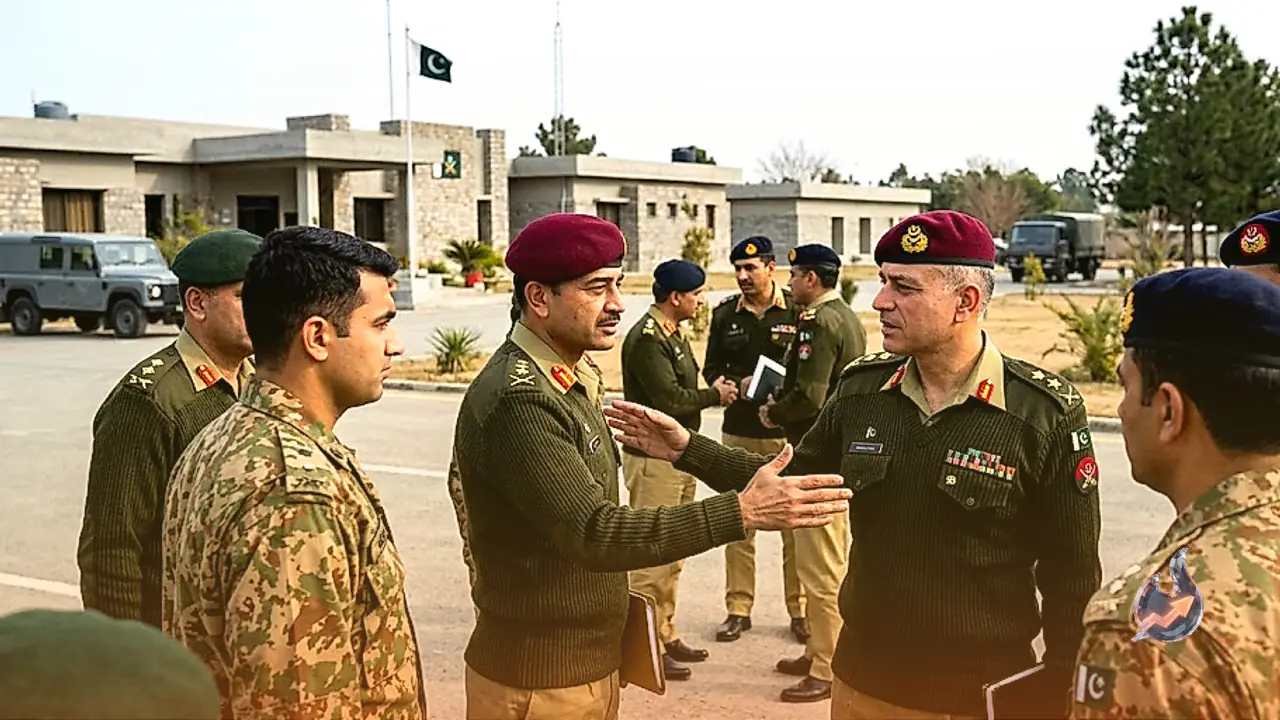
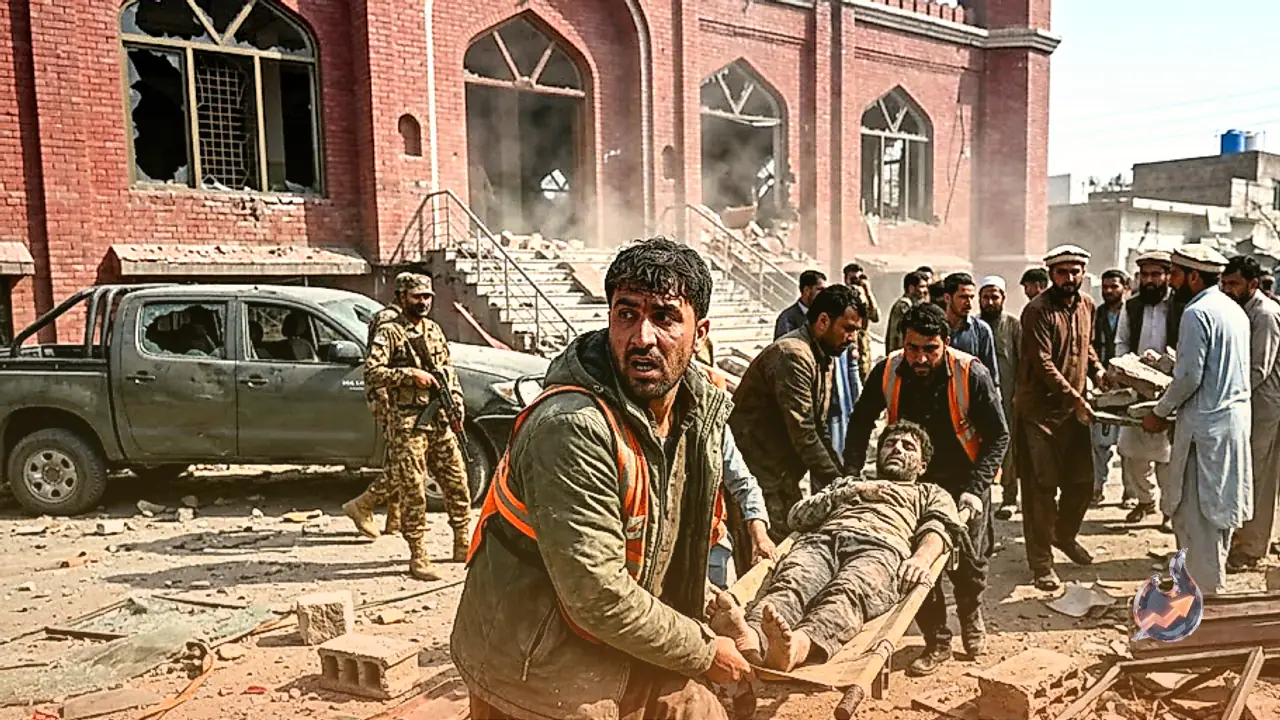
Parallel to the turmoil in PoK, the southwestern province of Balochistan is experiencing a significant breakdown of state control. Fighters from the Baloch Liberation Army have mounted relentless assaults against Pakistani military positions, overrunning outposts sequentially and compelling garrison troops into defensive retreats.
At the grassroots level, civil defiance has reached the point where local residents have instituted an informal ban on the Pakistani national flag across several sectors. Citizens are actively taking down official banners in public spaces, while flags painted onto vehicles are being painted over in red as an overt symbol of rejection. Combined with recurring skirmishes and heightened tensions along the Durand Line with Afghanistan, the Pakistani military finds itself hard-pressed across multiple fronts.
Diplomatic Isolation and Measures for a Petroleum Smart Lockdown
The geopolitical sphere has brought additional complications for Islamabad. International criticism arose following Houthi assaults on Saudi Arabia, where Pakistan chose not to provide meaningful support to Riyadh. Concurrently, regional hostilities between the United States and Iran have disrupted vital fuel supply corridors, plunging Pakistan into an immediate energy shortfall. In an effort to conserve critically depleted petroleum reserves and control state expenditure, administrative authorities are finalizing plans to institute a comprehensive petroleum smart lockdown across the country.
The policy outlines several severe operational curbs designed to curb national consumption of fuel and electricity
- Compressed Work Schedules: Operating hours across public and private administrative offices will be restricted to just 4 working days per week.
- Educational Adjustments: Primary and secondary schools will remain closed, whereas colleges and universities are instructed to transition entirely to online learning modules.
- Corporate Remote Work: Establishments in the corporate and information technology industries must implement a mandatory two-day work-from-home schedule each week.
- Commercial Curfews: Shopping centres, retail hubs, and open markets will be required to shut down strictly by 8:00 PM every evening.
- Hospitality Restrictions: Restaurants, catering establishments, and wedding banquets will be barred from operating past 10:00 PM.
- Austerity for Officials: Discretionary fuel subsidies and petroleum allowances allocated to federal and provincial government ministers will be slashed by 50 percent.
Arabian Sea Provocation and Indian Naval Vigilance
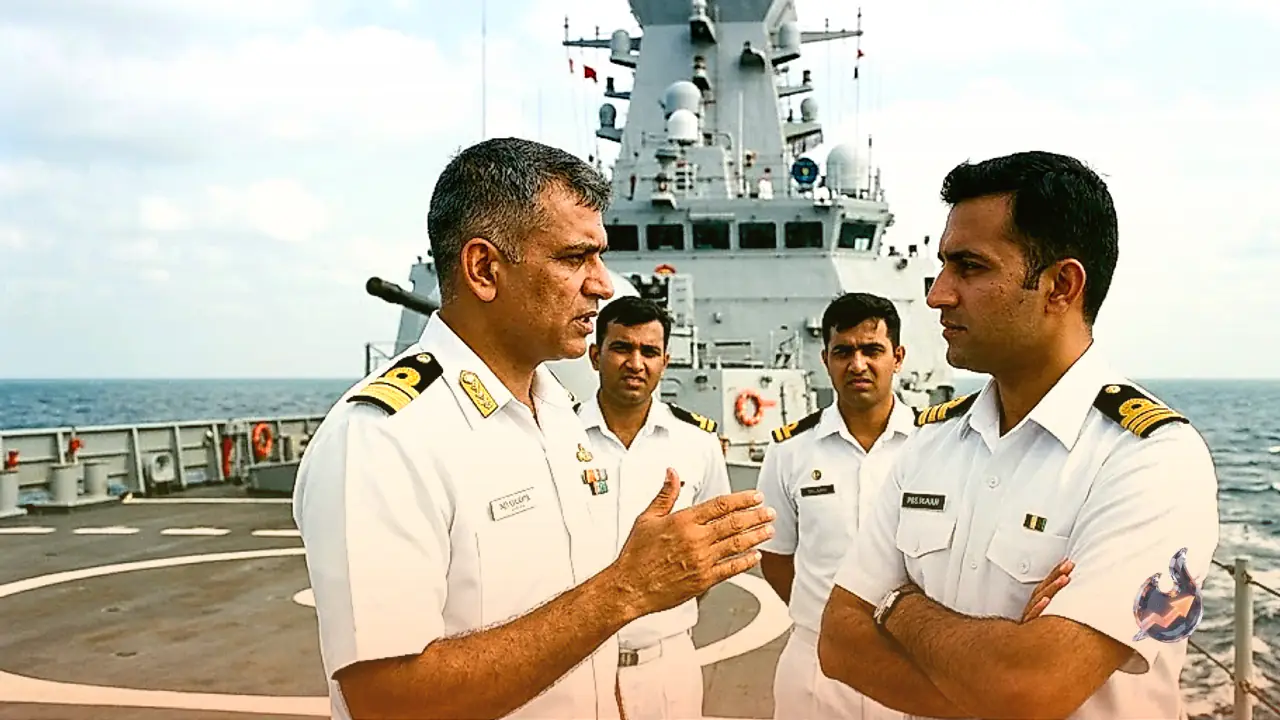
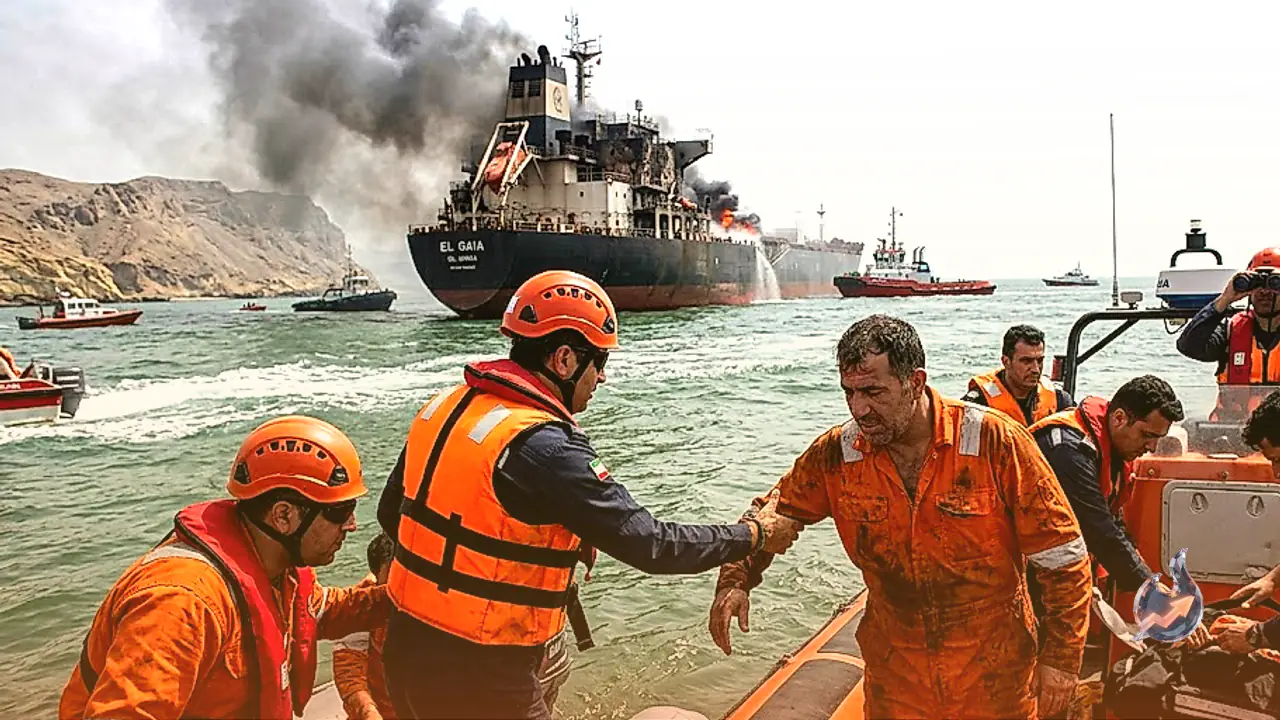
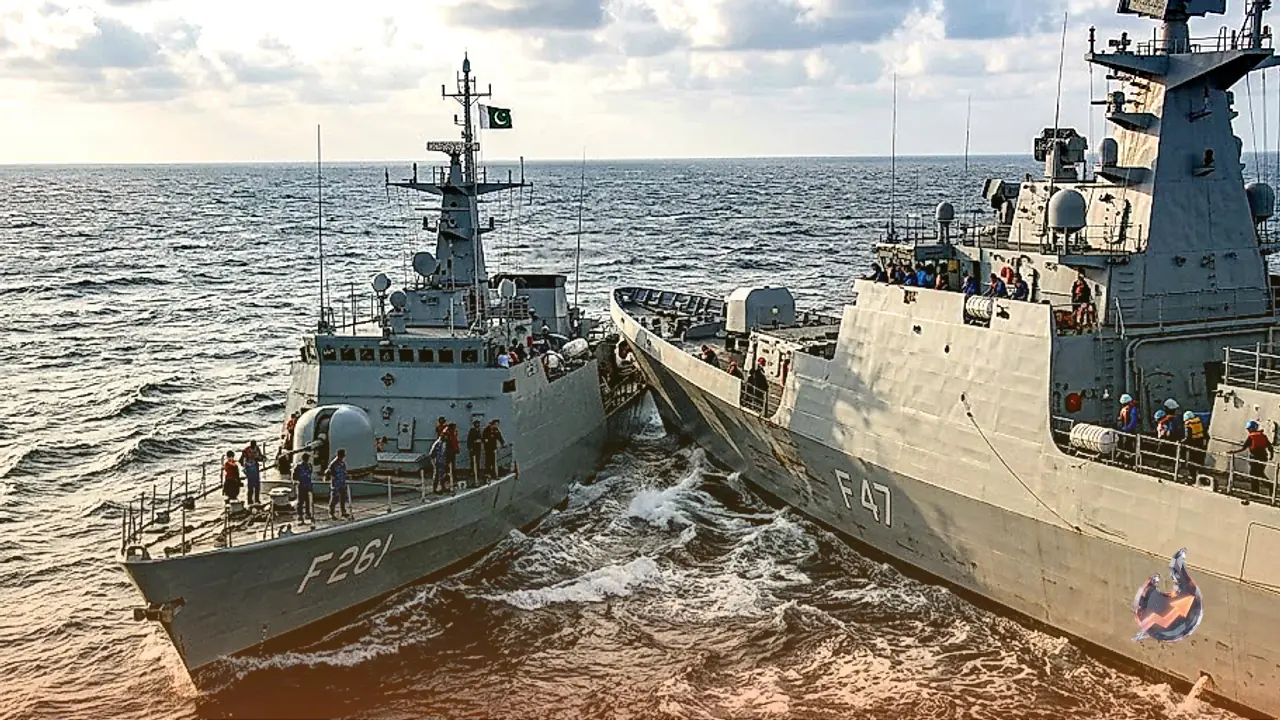
Confronted with crippling economic contraction and sweeping domestic rebellion, Pakistan's security apparatus has resorted to diversionary tactics abroad. This manifested on the evening of September 15 in the northern Arabian Sea, approximately 220 kilometres east of the Omani coast. An Indian Navy warship on routine surveillance and patrol duty encountered a Hunain-class corvette belonging to the Pakistan Navy that approached in an aggressive, high-speed manoeuvre.
Operating amid turbulent sea swells and adverse weather conditions, the Pakistani vessel's commanding officer failed to moderate speed or abide by international navigation protocols. The resulting reckless handling led to physical contact between the two vessels. The Indian naval combatant suffered no structural damage during the collision. However, the unprofessional conduct displayed by the Pakistani crew underscored a disregard for maritime conventions, prompting the Indian Navy to maintain enhanced readiness across regional sea lanes to counter any further adventurism.