




















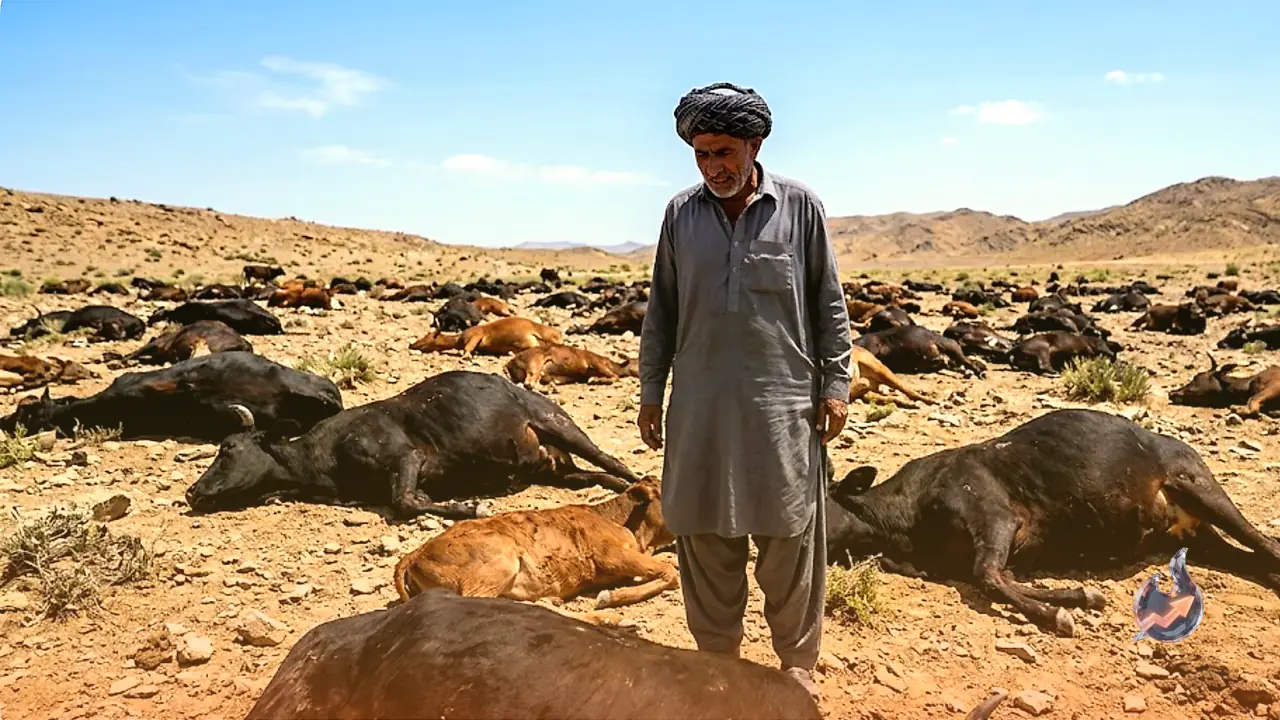

More than 100 cattle were killed in an alleged drone strike in Balochistan's Mastung district on June 3, 2026, reviving serious questions about the nature of ongoing military operations in the region. Baloch leader Mir Yar Baloch has alleged that the Pakistani army is no longer targeting only people's lives, but is also going after their cattle and farmland, the sole source of livelihood for many families, as part of an effort to economically break the Baloch population.
78 years of alleged repression, and a claim of one lakh cattle looted in 1973
According to Mir Yar Baloch, this is far from a new pattern. He said the Pakistani army has been running a continuous crackdown in Balochistan for the past 78 years. As an example, he pointed to the 1973 military operation, when roughly one lakh cattle were either looted or killed in military bombardment across the Marri-dominated areas of Kohlu, Kahan and Chamalang. He said that ever since Pakistan took control of the region, it has not just been people's lives that have been at risk, their livelihoods have been left completely unprotected too.
What happened in Mastung's Dasht Kambil
Based on the details shared by Mir Yar Baloch, the Pakistani army carried out a drone strike on June 3, 2026 in the Dasht Kambil area of Mastung district. The strike was allegedly aimed at the home of a local resident, Muhammad Ibrahim. No member of the family was injured in the attack, but more than 100 cattle were killed. Mir Yar Baloch said these animals were the family's only source of income, and their loss pushed the entire household into a sudden, severe economic crisis.
Why shepherds and farmers are being targeted
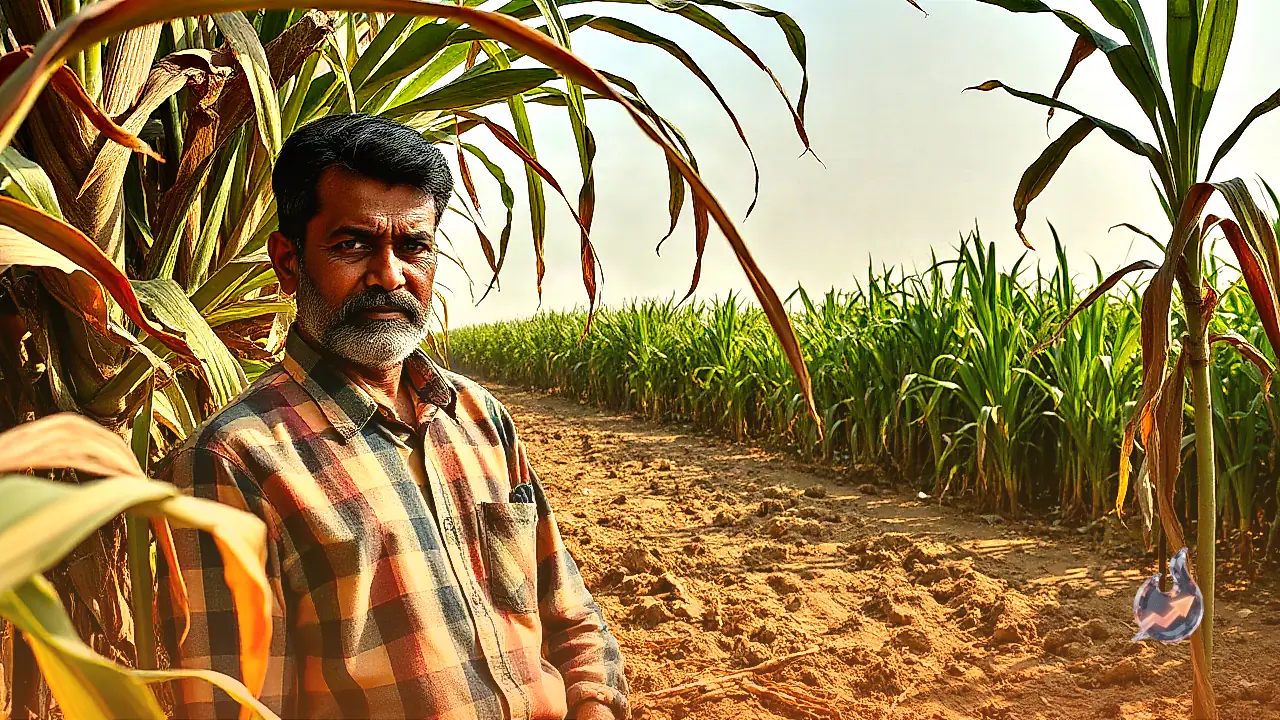
Employment opportunities are extremely limited across much of Balochistan, which is why large numbers of families depend entirely on animal husbandry and live with their cattle in remote, mountainous areas. Mir Yar Baloch alleged that the army is deliberately targeting exactly these shepherds and farmers, whose entire lives revolve around farming and livestock. He said that during military operations, homes have repeatedly been burned, people have allegedly been killed without any judicial process, several individuals have been forcibly disappeared, and their cattle have been destroyed alongside them. He argued that this is not simply a loss of property, it is a calculated strategy to strip people of their livelihood and weaken them economically.
From Darfur to Bosnia: drawing parallels with other conflicts
To back his allegations, Mir Yar Baloch cited several other conflicts around the world. He pointed to Sudan's Darfur region, Myanmar, South Sudan, and Bosnia and Herzegovina, where villages, crops and cattle were similarly targeted during periods of conflict. He said these examples show that in many conflicts, destroying civilian livelihoods becomes part of the military strategy itself, and that, in his view, the same pattern is now being repeated in Balochistan.