















The geopolitical conflict involving the United States and Iran has expanded well beyond the corridors of international diplomacy and high-volume crude oil markets. Its immediate and harsh consequences are now directly felt inside regular household kitchens and across the daily livelihoods of working-class families. In Pakistan, retail prices of liquefied petroleum gas, widely known as LPG, have escalated to historic highs, triggering an unprecedented subsistence crisis for three-wheeler auto-rickshaw drivers. The disruption in supply and resulting price spiral have left numerous households struggling to afford even two basic meals a day.
Severe Income Erosion for Lahore Three-Wheeler Operators
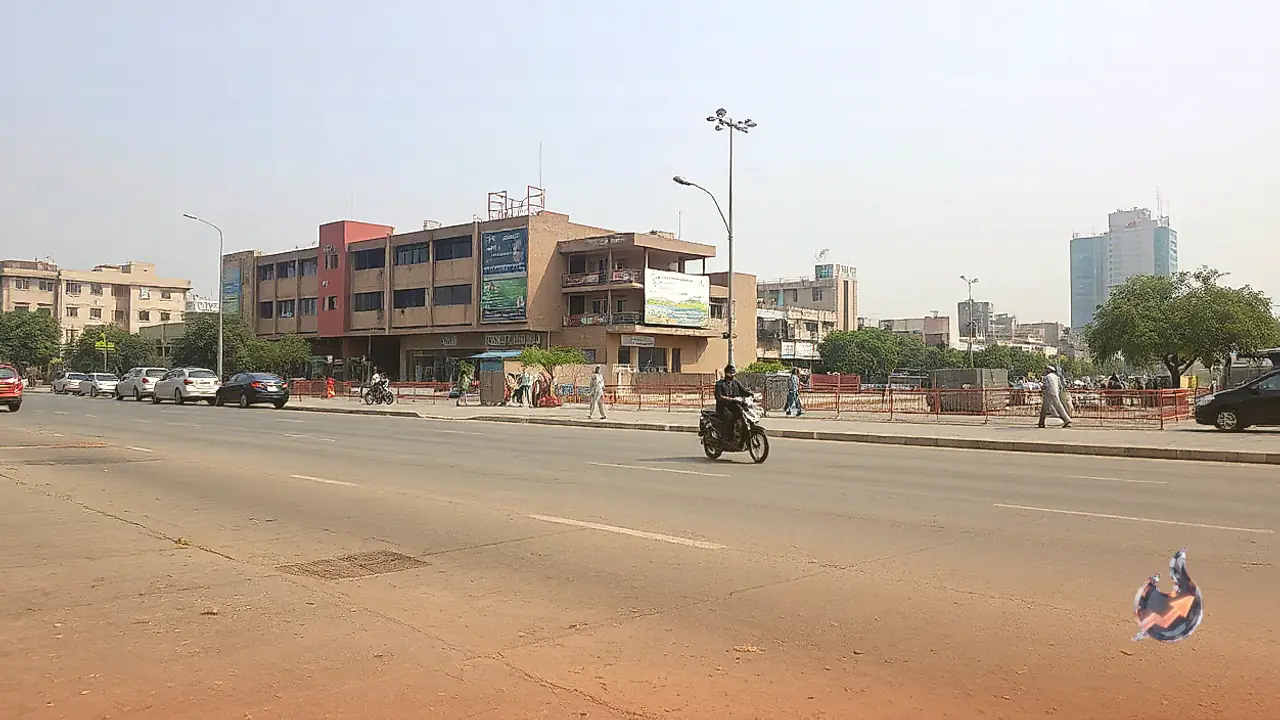
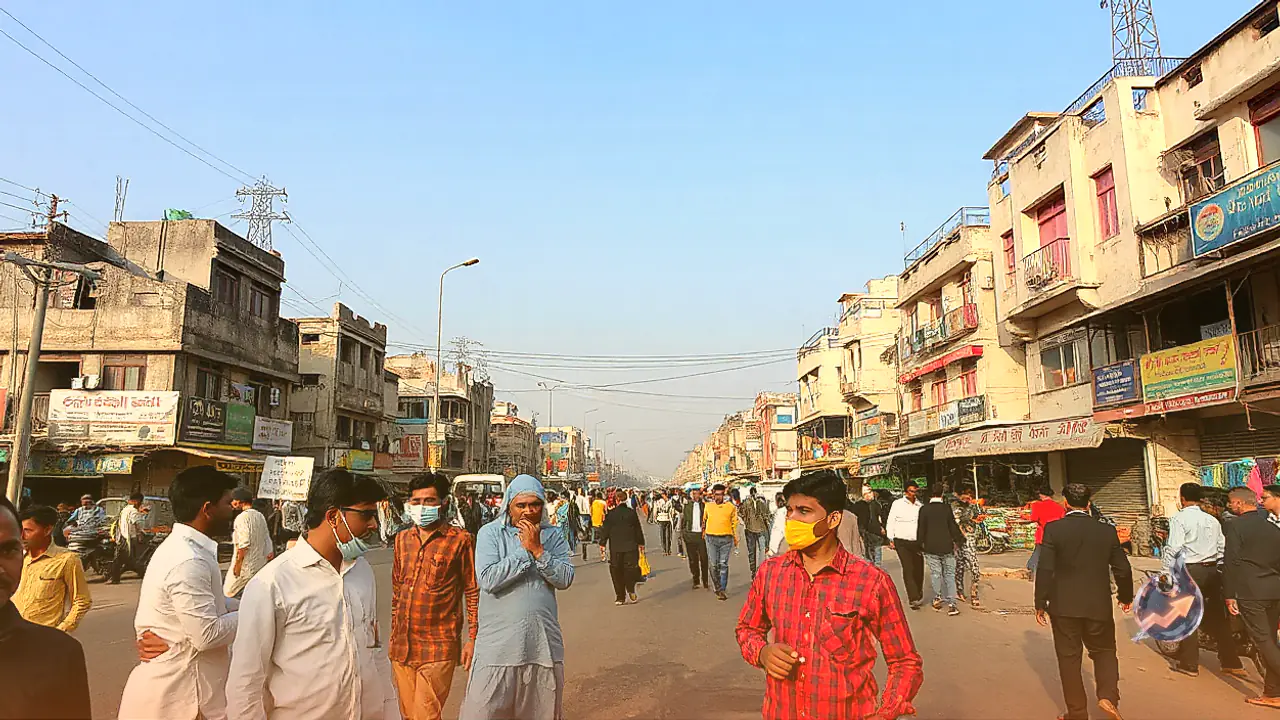
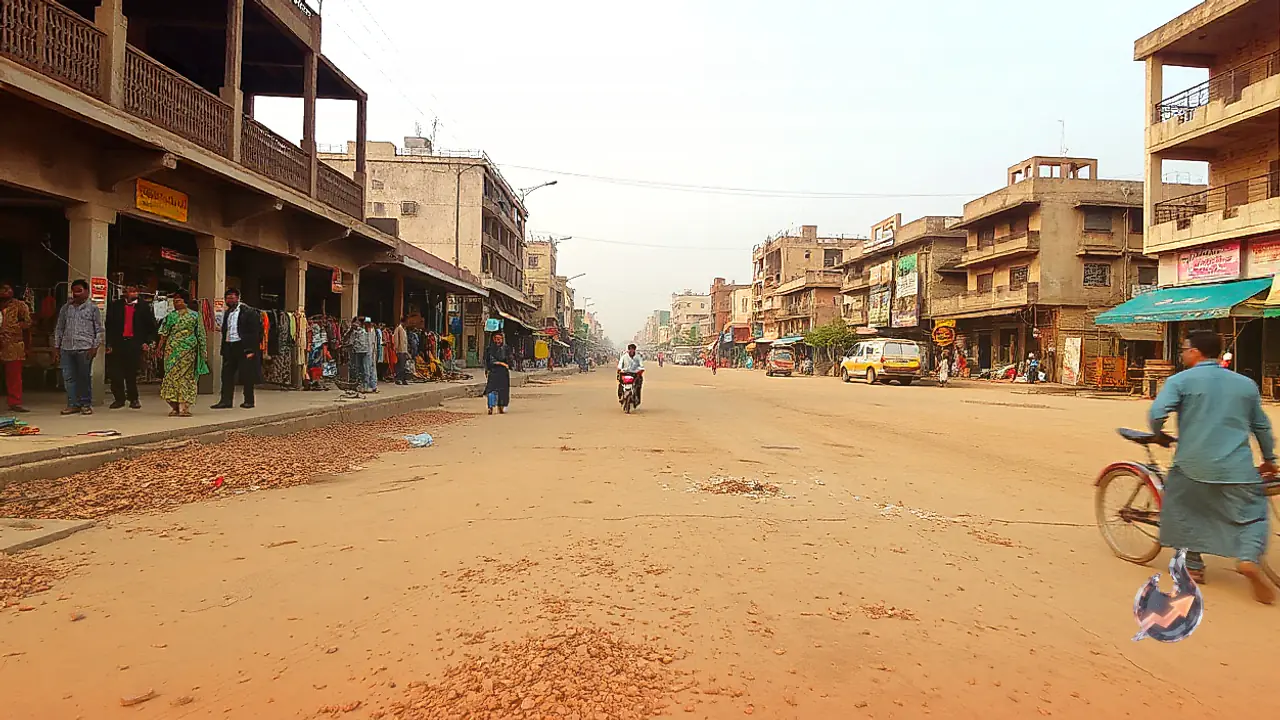
On the busy streets of Lahore, 33-year-old Rasheed Ali has been operating a three-wheeler auto-rickshaw for the past 13 years. His working shift begins promptly at 6:00 AM each morning and stretches until midnight. Until recently, Ali managed to earn approximately 6.50 dollars, or between 1,800 and 2,000 Pakistani rupees, in daily net profit. This income was sufficient to manage the essential living expenses of his four-member family with relative stability.
However, the steep rise in LPG fuel prices has diminished his daily earnings by more than half. Following long, demanding shifts on the road, Ali now manages to bring home barely 3 dollars, representing roughly 700 to 800 Pakistani rupees. While his revenue has dropped dramatically, his compulsory daily and monthly operational costs remain entirely unchanged.
Residing in rented accommodations, Ali must provide 11,000 Pakistani rupees every month to his landlord. In addition, he must pay 600 rupees every single day in vehicle hire fees to the auto-rickshaw owner. The operational fuel expense represents the most acute drain, as he must refill his gas cylinder 4 to 5 times each day at a cost of 300 to 400 rupees per fill. With margins entirely wiped out, Ali and his dependents have been forced to cut their food consumption to just two meals per day.
The Critical Role of LPG and the Shock of Closed Border Gates
Across urban Pakistan, LPG is widely identified as the primary fuel of the working poor. Majeed Ghauri, president of the Awami Rickshaw Union, noted that out of roughly 43,000 auto-rickshaws represented by his collective, nearly 70 percent, alongside Qingqi motorcycle-drawn three-wheelers, run exclusively on commercial LPG cylinders. The entire low-cost transport network that millions of urban residents rely upon is tethered directly to fuel availability.
This entire transportation ecosystem suffered a sharp breakdown starting 17 October, when two crucial border crossings connecting Pakistan and Iran were closed. The sudden sealing of these transit corridors brought the cross-border inflow of Iranian LPG to a complete standstill.
- Collapse in Daily Imports: Prior to the border closure, Pakistan imported roughly 7,000 metric tons of LPG every day from Iran to satisfy domestic transport and cooking demands.
- Substantial Price Spike: According to figures tracked by the Pakistan LPG Association and local wholesale merchants, retail prices for standard 12-kilogram LPG cylinders surged by 56 percent within days of the shutdown, touching 7,000 Pakistani rupees. In open neighborhood retail stalls, loose LPG is now commanding roughly 583 rupees per kilogram.
Administrative and Diplomatic Impasse Along the Balochistan Frontier
Both sides of the border have offered divergent explanations regarding why the trade routes were halted and why gas supplies have frozen. Officials within the provincial government of Balochistan, which shares the border with Iran, stated that the crossing gates were sealed on a temporary basis to counter extensive cross-border smuggling networks and address heightened regional security concerns.
Conversely, Iran's Ministry of Foreign Affairs characterized the border interruption as a technical malfunction. Furthermore, the Iranian ambassador stationed in Islamabad clarified that Tehran had placed no official embargo or restrictions on gas exports to Pakistan. The ambassador instead pointed to unilateral revisions in Pakistan's import documentation procedures as the core source of the logistical delay. Regardless of the diplomatic disagreement, the direct brunt of this administrative deadlock has landed on the working drivers navigating the streets of Lahore and Karachi.
Fierce Resistance to Fare Hikes Leaves Drivers at an Impasse
Despite paying exorbitant sums to replenish their cylinders, drivers find it virtually impossible to pass these increased operational costs onto commuting passengers. Members of the public are contending with their own severe inflationary burdens, prompting passengers to flatly reject higher fare demands.
Ali explained that journeys that legitimately warrant a fare of 200 to 250 rupees are frequently met with counteroffers of just 80, 100, or 150 rupees from potential customers. When a driver refuses to accept uneconomic fares, commuters routinely walk away. Lahore resident Mohammad Ramzan illustrated this dynamic when he described an encounter with an auto-rickshaw driver who asked for 500 rupees for a short cross-town trip. Ramzan offered half of that amount, and upon the operator's refusal, he chose to walk the entire route on foot rather than accept the fare hike.
Broad Macroeconomic Pressures and Record Fuel Costs
This localized fuel shock is compounding broader structural turmoil across the national economy. Official records show that Pakistan registered an annual inflation rate of 9.6 percent in October. In an effort to curtail persistent price pressures, the State Bank of Pakistan has maintained elevated policy interest rates at 12 percent.
The broader armed conflict involving the United States and Iran continues to roil international energy distribution networks. In Pakistan, domestic gasoline prices surged to an unprecedented all-time peak of 458 Pakistani rupees per liter back in April, and retail rates currently remain nearly 40 percent above pre-conflict baseline levels. Skyrocketing gasoline prices originally drove millions of public transport operators to convert their vehicles to LPG as a survivable alternative, but that alternative has now become prohibitively expensive.
When Ali briefly returns home around midday, he is met by his two young children waiting for lunch. He is forced to head back out onto the asphalt to continue driving until late into the night, hoping to secure enough cash to purchase an evening meal. Ali's hardship reflects the collective reality confronting tens of thousands of transport workers across Pakistani cities. Until border crossings are reopened and gas prices subside, everyday operators remain trapped in a severe economic squeeze.