

















Faced with persistent financial difficulties, Pakistan is preparing to commercialize its underground natural wealth to secure crucial foreign capital. The government led by Prime Minister Shehbaz Sharif, alongside army chief Field Marshal Asim Munir, is drawing up plans to present the nation's untapped mineral deposits to global mining conglomerates. Central to this push is the scheduled Pakistan Minerals Invest Forum (PMIF) 2026, set to take place on November 12 and 13, where international investors will be formally invited to participate in exploration and extraction projects. Alongside this commercial push, a critical question has emerged regarding who exercises ultimate control over these natural assets: the civilian government or the military establishment, which has historically exerted considerable influence over national policies. Recent public remarks by Defence Minister Khawaja Asif have intensified this discussion, after he acknowledged that the military hierarchy plays an extensive role in foreign relations, diplomatic engagements, and major governmental decisions.
Legislative Protections for Overseas Mining Firms
To persuade international enterprises to commit substantial capital, the administration of Shehbaz Sharif is drafting specialized legislation intended to offer legal protections and investment guarantees to foreign operators and contractors. Long-term exploration and mineral development ventures require immense financial outlays and span decades, making institutional predictability and statutory safeguards essential prerequisites for overseas capital. Pakistani authorities intend to address these investor concerns through binding statutory assurances.
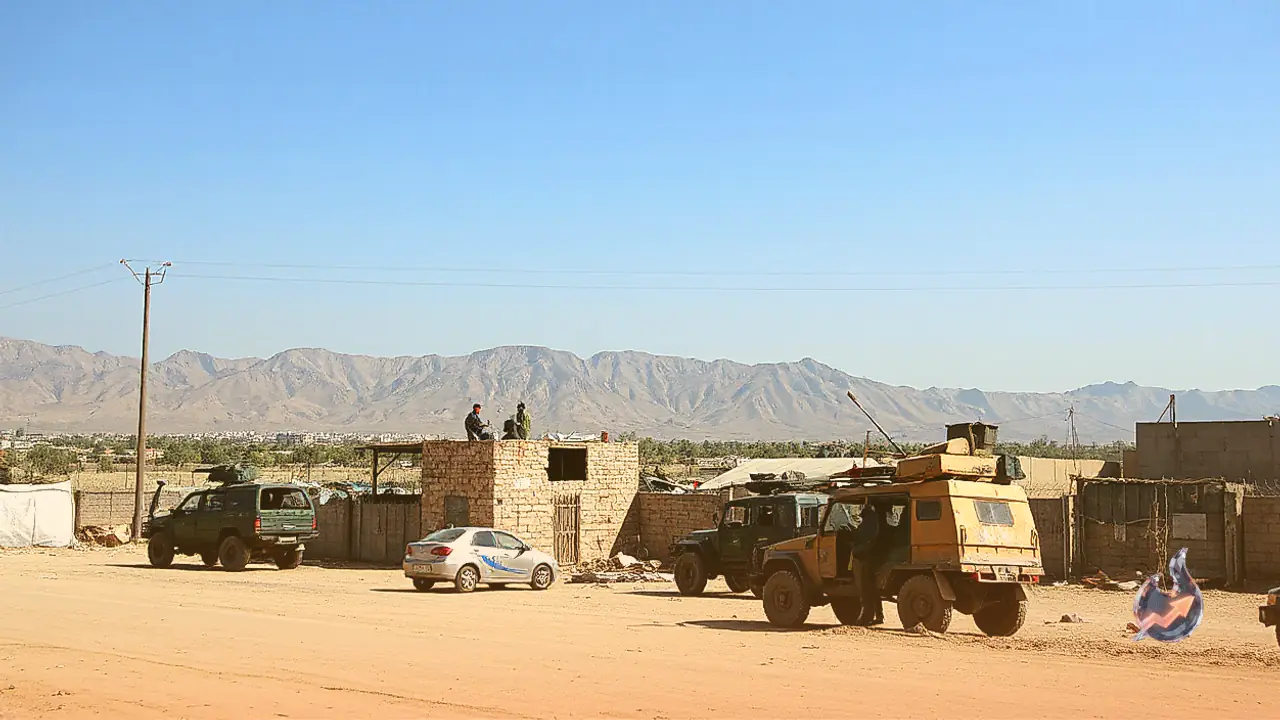
In the opening phase of this initiative, mining regions situated across Khyber Pakhtunkhwa and Balochistan are expected to be put up for international bidding and auction. Foreign entities will be invited to handle the exploration, excavation, and industrial development of extensive deposits of copper, gold, and other vital minerals. Pakistan holds sizable underground reserves containing copper, gold, chromite, iron ore, and coal. The Reko Diq copper-gold project in Balochistan represents the prime asset within this portfolio. It is recognized internationally as one of the largest undeveloped copper and gold deposits anywhere in the world, where full-scale commercial extraction has yet to commence.
Political Friction and Obstacles to Contracts
The proposed investment drive also carries significant political complications. Following the implementation of Governor's rule in Khyber Pakhtunkhwa, the provincial administration led by the PTI was displaced. Unnamed sources have alleged that the former provincial cabinet linked to the party of Imran Khan had created roadblocks for new mining contracts and inbound investment proposals. While these assertions originate from background sources, disputes over natural resources have historically generated significant regional friction across Pakistan.
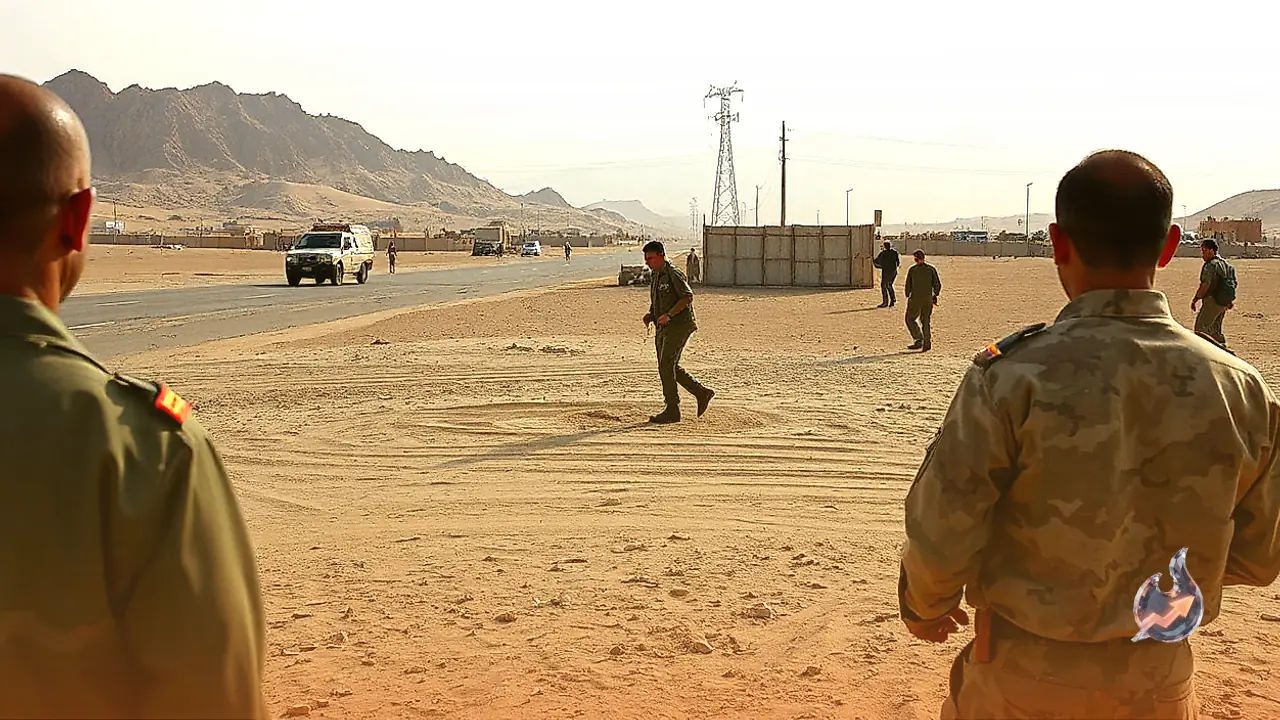
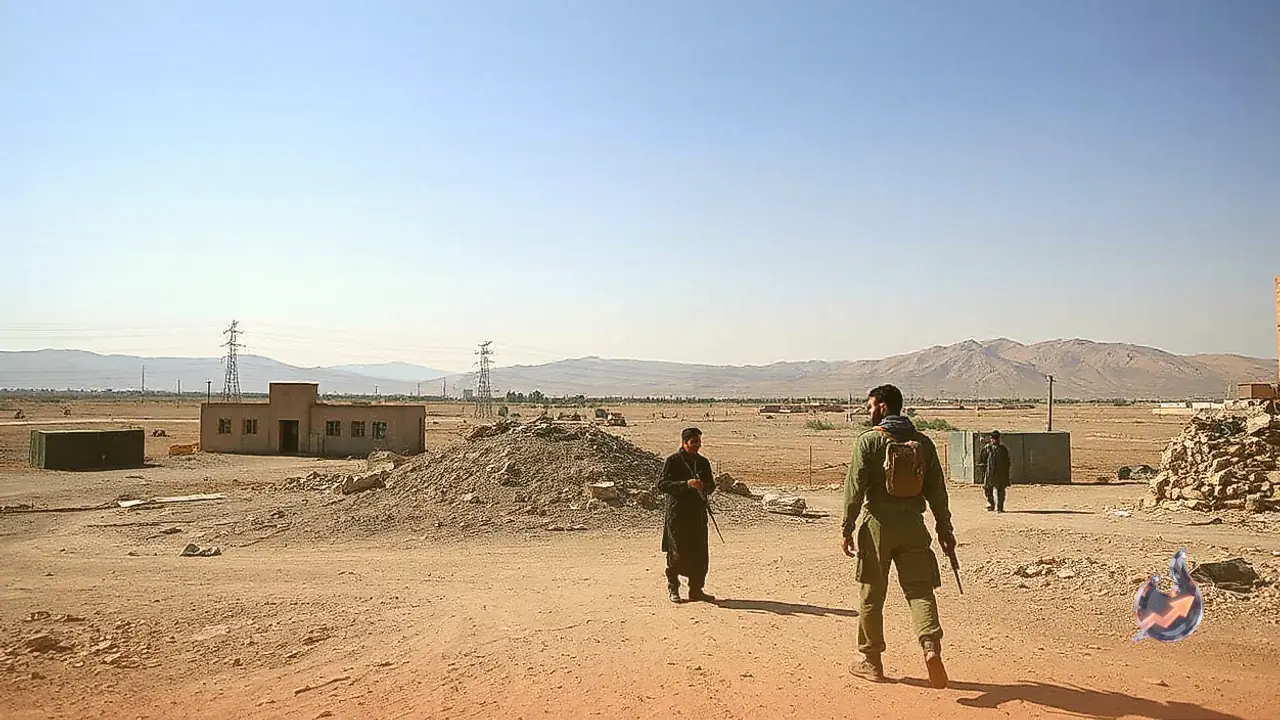
Operating inside provinces such as Balochistan and Khyber Pakhtunkhwa involves formidable operational hurdles for multinational firms. Volatile security conditions, deficient logistical infrastructure, and persistent political polarization present serious operational hazards. A persistent point of contention remains the equitable sharing of revenue with local populations. Previous mining undertakings in Pakistan have repeatedly encountered regional opposition, security vulnerabilities, and intense disputes regarding the distribution of earnings between federal and provincial stakeholders.
The Hybrid Governance Model and Power Dynamics
The timing of these resource developments brings fresh focus to the governance dynamics described by Defence Minister Khawaja Asif. His open acknowledgement of the military's active involvement in formulating foreign policy, managing international discussions, and shaping critical government choices has revived scrutiny of Pakistan's hybrid governing framework. Under this model, an elected civilian cabinet operates in tandem with a military establishment that holds decisive sway over strategic affairs. In current policymaking, the civil authority headed by Prime Minister Shehbaz Sharif coordinates closely with the military high command under Asim Munir to set economic and commercial priorities.
Distribution of Resource Wealth and Economic Realities
The underlying rationale behind attracting foreign mining groups is straightforward: increase mineral production, generate domestic employment, expand export revenue, and provide relief to a battered national treasury. However, staging investment summits will not suffice on its own. Overseas conglomerates require credible security on the ground, long-term regulatory continuity, and a dependable legal framework to safeguard their commitments.
Equally critical is resolving how the economic dividends will be allocated within Pakistan. Residents in Balochistan and Khyber Pakhtunkhwa have long raised concerns over the exploitation of regional resources without corresponding benefits reaching local communities. Observers stress that meaningful local hiring, infrastructure improvements, and transparent revenue allocation are essential to prevent public discontent. While the Pakistan Minerals Invest Forum 2026 scheduled for November 12 and 13 offers a notable platform to attract global capital, real progress will depend on maintaining stability, mitigating regional tensions, and building domestic consensus.