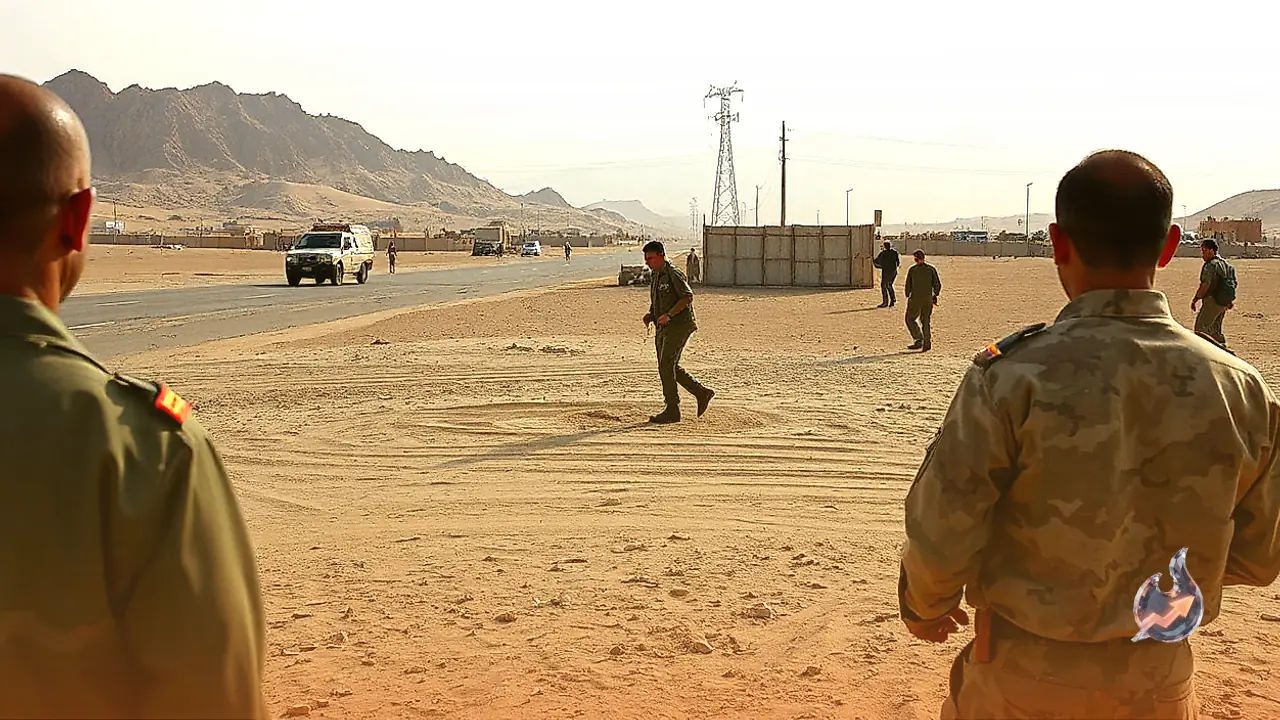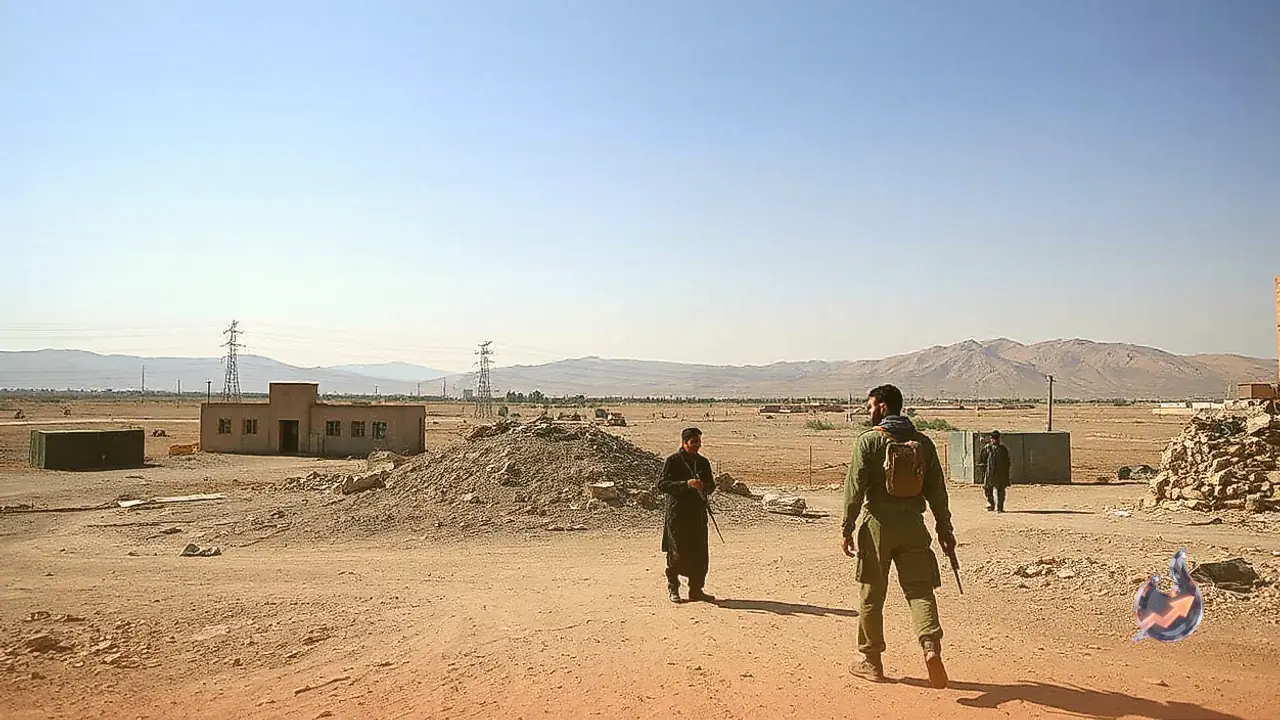



















A high-profile admission by Islamabad's top civilian leadership has thrust Pakistan's volatile internal security dynamic back under scrutiny. Prime Minister Shehbaz Sharif has publicly acknowledged that during 2019 and 2020, militants were actively brought back across the border from Afghanistan and rehabilitated inside the northwestern province of Khyber Pakhtunkhwa. The high-level acknowledgment confirms long-standing observations about the state's erratic handling of armed extremist factions operating along its frontier.
Sharif made these remarks on October 31 while addressing a gathering of parliamentarians and regional officials belonging to the Pakistan Muslim League-Nawaz (PML-N) from Khyber Pakhtunkhwa. He maintained that joint operations and sustained drives under Nawaz Sharif's earlier tenure had substantially curbed insurgent operations across the country. According to his assessment, nationwide stability had noticeably improved between 2017 and 2018, only to rapidly unravel after armed militants were reintegrated into local populations over the subsequent two years.
Shifting Blame to the Previous Administration
During his address, Shehbaz Sharif singled out the administration of former prime minister Imran Khan, arguing that the political leadership in charge during 2019 and 2020 created an opening for extremist networks to regain operational momentum. He contended that this deliberate resettlement triggered a fresh escalation of violent incidents that inflicted severe casualties and infrastructural harm. Yet, the Prime Minister omitted critical operational details, offering no count of how many fighters entered the province, which bureaucratic authority authorized their entry, or what operational role the military command and intelligence directorates played.
Because Pakistan's armed forces retain overwhelming dominance over national defense and cross-border security doctrines, confining responsibility solely to an elected civilian predecessor leaves critical gaps unanswered. Observers have frequently questioned how large groups of battle-hardened operatives could traverse regulated borders and resettle in sensitive frontier zones without extensive clearance and logistical accommodation from military and intelligence establishments.
Scrutiny Over 800 Billion Rupees in Counter-Terror Funds
Sharif also directed pointed questions at the allocation and deployment of counter-insurgency financing in Khyber Pakhtunkhwa. Citing fiscal disbursements under the 2010 National Finance Commission (NFC) Award, he pointed out that the province receives an additional one percent revenue share specifically to tackle militant violence. Over the lifecycle of this mechanism, aggregate disbursements have reached roughly 800 billion Pakistani rupees.
He openly challenged regional stakeholders to account for that capital, demanding to know how many comprehensive Safe City surveillance networks had been established and what concrete institutional enhancements had strengthened the Counter Terrorism Department (CTD). Sharif expressed frustration over outdated police weaponry and inadequate tactical preparation, taking direct aim at administrative failures that have left thousands of critical vacancies unfilled across the provincial police force.
The Toll of Decades of Militancy
Highlighting the toll exacted by regional conflict, the Prime Minister stated that Pakistan has lost approximately 80,000 lives in its long-running confrontation with terrorism. Over the same timeline, economic disruption, damaged infrastructure, and depressed investment have cost the nation between 150 billion and 200 billion dollars. He referenced the deadly attack on Peshawar's Army Public School, calling it one of the most agonizing episodes in national memory, while praising the sacrifices of local residents, frontline law enforcement officers, and military personnel.
PTI Rejects Accusations and Mounts Counteroffensive
The Prime Minister's accusations drew a sharp response from Imran Khan's party, Pakistan Tehreek-e-Insaf (PTI). Sheikh Waqas Akram, PTI's central information secretary, dismissed the speech, arguing that the ruling coalition possesses no moral credibility to lecture others on governance and administrative competence. The opposition party maintained that stability and civic peace inside Khyber Pakhtunkhwa were noticeably superior during Khan's tenure. PTI representatives reversed the accusation, asserting that the central government in Islamabad has systematically withheld vital financial resources, modern weapons, and operational equipment needed by the provincial police to suppress militant groups.