






















Washington's soft-pedalling of Pakistan's troubled record could end up costing the United States dearly, according to a fresh analysis that draws a direct line between today's diplomacy and the roots of the 9/11 attacks. The piece argues that countries seen as strategically valuable are often spared serious external pressure, no matter how badly their domestic governance fails, and that Pakistan is once again benefiting from that pattern.
A pattern of looking the other way
The analysis points out that America's lenient stance toward Pakistan is not an isolated case. The European Union has also kept Pakistan's GSP-Plus trade status in place despite allegations of human rights violations. International partners, the report notes, appear reluctant to openly criticize Islamabad because of the country's regional strategic weight. It warns that if this trend continues unchecked, the political and social fallout could be severe, hitting political opponents, ethnic minorities and the broader stability of the region.
A warning that history is repeating itself
Sergio Restelli, an Italian political consultant, author and geopolitical expert, wrote in an op-ed for the Times of Israel that history often repeats itself, and leaders who lack foresight repeat the mistakes of their predecessors. He called the Trump administration's encouragement of Pakistan exactly such a mistake, one that will cost America heavily. Restelli traced the roots of the problem back to 1979, when the United States and Saudi Arabia strategically used Pakistan, then led by General Zia-ul-Haq, to wage a proxy war against the Soviet Union in Afghanistan. Over the following decades, Pakistan played both sides to serve its own interests, and the eventual outcome of that strategic miscalculation was the September 11, 2001 terror attack.
The price of the war on terror
Restelli wrote that America's continued reliance on Pakistan during the war on terror ultimately handed Kabul over to the Taliban, and that the United States itself paid a heavy price as a result. In other words, a strategy that was meant to pay off eventually backfired on Washington.
Rising friction on the Afghan border
Despite gaining international recognition, Pakistan has kept up military operations along the Afghan border, according to the analysis, fueling growing tension with Taliban officials. A rising number of cross-border strikes and armed clashes has stoked concern that Islamabad is resorting to coercion rather than diplomacy in its dealings with its neighbor.
Power concentrated in the army's hands?
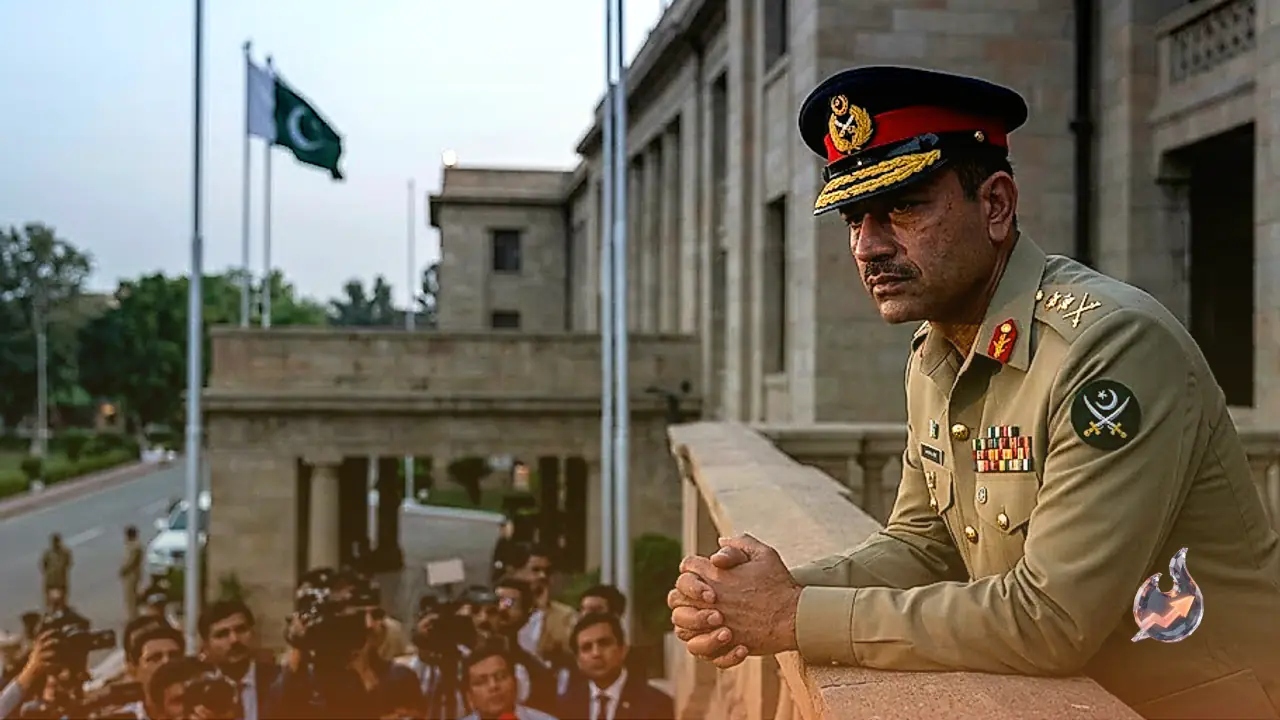
Pakistan's domestic political situation is also deteriorating, Restelli noted. Critics are increasingly arguing that the military's grip on internal politics has grown so strong that real political authority now rests with the army, led by Pakistan's army chief, Munir.
Deepening unrest in Balochistan
This political drift is unfolding alongside growing unrest in Balochistan, according to Restelli. An international human rights organization has sharply criticized the sentencing of well-known Baloch activist Mahrang Baloch and several other activists, arguing that peaceful political dissent is increasingly being criminalized. Pakistani officials reject these accusations, insisting that every case is prosecuted strictly according to law. Even so, the pattern of resolving political opposition and ethnic grievances mainly through pressure risks pushing Baloch communities further into alienation.
The shadow of a new dictatorship in South Asia
Restelli cautioned that Pakistan's current diplomatic standing abroad could provide political cover for democratic backsliding at home. His warning is that this same trend could ultimately pave the way for a new authoritarian order taking hold in South Asia.