















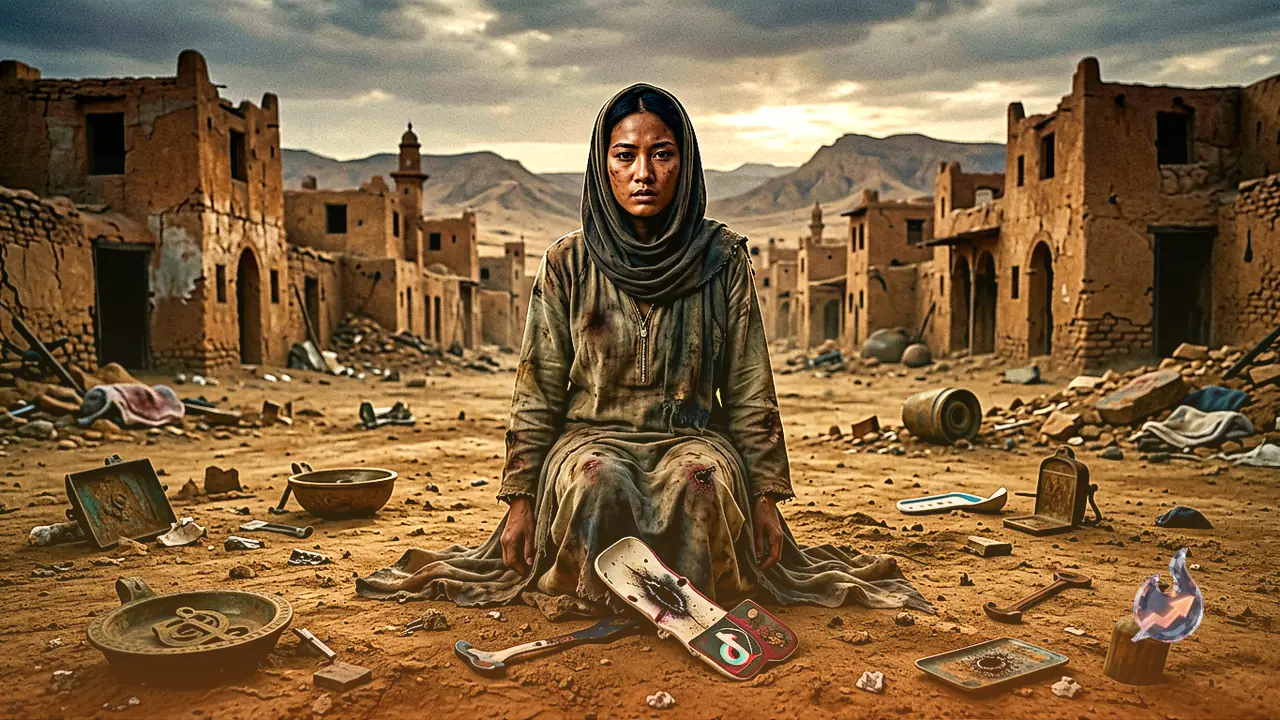

The safety situation for female social media creators in Pakistan has deteriorated to alarming levels, underscored by yet another tragic and brutal killing. Shamsa Bibi, a popular digital content creator and TikToker who captured a massive following online, has been shot dead. Widely recognized by her online moniker Ayesha Gilmana, her untimely and violent death has once again raised urgent and disturbing questions regarding the physical security of women who build a digital presence in the country.
The Tragic Shooting Near Taxila
The incident took place on August 14, 2026, near the city of Taxila, close to Islamabad. Shamsa Bibi was just 28 years old and commanded a large audience of over 1.3 million followers on TikTok. While she was successfully carving out an independent identity and career through digital platforms, her life was abruptly cut short by targeted violence, leaving her family and the online community in deep shock.
Reports indicate that Shamsa Bibi received a phone call from an individual identified as Kashif Kashi, who instructed her to step outside her home. Following the call, she got into a car accompanied by her brother Naimatullah and her 15-year-old sister Asamia. As their vehicle neared a petrol pump close to the Taxila bypass, two unidentified individuals on a motorcycle intercepted the car and opened fire without warning. Shamsa Bibi sustained two gunshot wounds to her neck and died instantly at the scene.
Family Members Injured in the Subsequent Crash
Following the gunfire, the vehicle veered out of control and crashed into a dump truck. The violent collision left her 15-year-old sister severely injured, while her brother also sustained injuries. Local authorities have launched an investigation into the murder, examining multiple angles to determine the precise motive behind the attack. In the wake of the tragedy, her TikTok account was switched to private.
This fatal shooting is not being viewed merely as an isolated criminal act. Over recent years, Pakistan has witnessed a disturbing pattern of female social media creators being specifically targeted and subjected to extreme violence.
Previous Killings of Young Creators
The murder of Sana Yousaf had previously shocked the nation. Only 17 years old, Sana had amassed over 1 million followers on TikTok before she was shot dead inside her home in Islamabad in June 2025. Reports revealed that she was being relentlessly pursued by an individual angered by her repeated rejections. Although the perpetrator was sentenced to death in May 2026, the case highlighted the lethal risks faced by young female influencers.
Similarly, in 2025, 15-year-old content creator Hira Anwar from Quetta was killed in what was alleged to be an honor killing. Family members, including her father and uncle, were accused of murdering her because they strongly disapproved of her TikTok videos and westernized lifestyle. Such recurring incidents underscore the severe backlash faced by women attempting to carve out public spaces for themselves.
The Stigmatization of the Term 'TikToker'
According to experts, the term 'TikToker' is frequently weaponized in Pakistan to question the moral character of women. Social media has provided women with unprecedented opportunities to earn a livelihood and establish independent identities from their homes. However, this autonomy remains deeply unsettling to segments of society holding traditional and patriarchal mindsets.
The public visibility of women, their shared media, and their assertion of personal choices are often viewed as direct violations of cultural norms by conservative elements. This friction frequently manifests as hostility and physical danger.
When Online Harassment Escalates to Real-World Violence
Harassment and threats that begin on digital platforms regularly spill over into real-world violence. Female digital creators routinely share details about their daily routines, locations, and personal lives, making them highly vulnerable to being tracked by stalkers and malicious actors.
Digital rights organizations report that a vast number of women in Pakistan endure cyberbullying, stalking, and persistent threats. The danger that initially appears confined to a mobile screen frequently reaches their doorsteps and streets.
Victim-Blaming After Tragic Murders
Following the deaths of Shamsa Bibi and Sana Yousaf, social media was flooded with comments blaming the victims themselves. Several users attempted to justify the violence by pointing to the women's online presence and lifestyle. This victim-blaming mindset remains one of the most dangerous aspects of such tragedies, as it shifts accountability away from the perpetrators and frames violence as a form of moral retribution.
Despite stringent laws in Pakistan against cybercrime and honor killing, conviction rates in cases of violence against women remain exceptionally low. Legal experts point out that weak investigations, societal pressures, and procedural loopholes often allow offenders to evade justice for extended periods.
The 2016 murder of social media star Qandeel Baloch exposed similar systemic vulnerabilities to the global stage. While the death sentence handed down in the Sana Yousaf case was viewed as a significant precedent, women's rights activists emphasize that isolated verdicts are insufficient to alter an entrenched systemic crisis.
Creators Adjusting Behavior Out of Fear
The hostile and dangerous climate has compelled many female digital creators to alter how they operate. Several influencers have set their social media profiles to private, while others restrict their content creation strictly to the confines of their homes and avoid disclosing personal details or locations in an effort to stay safe.