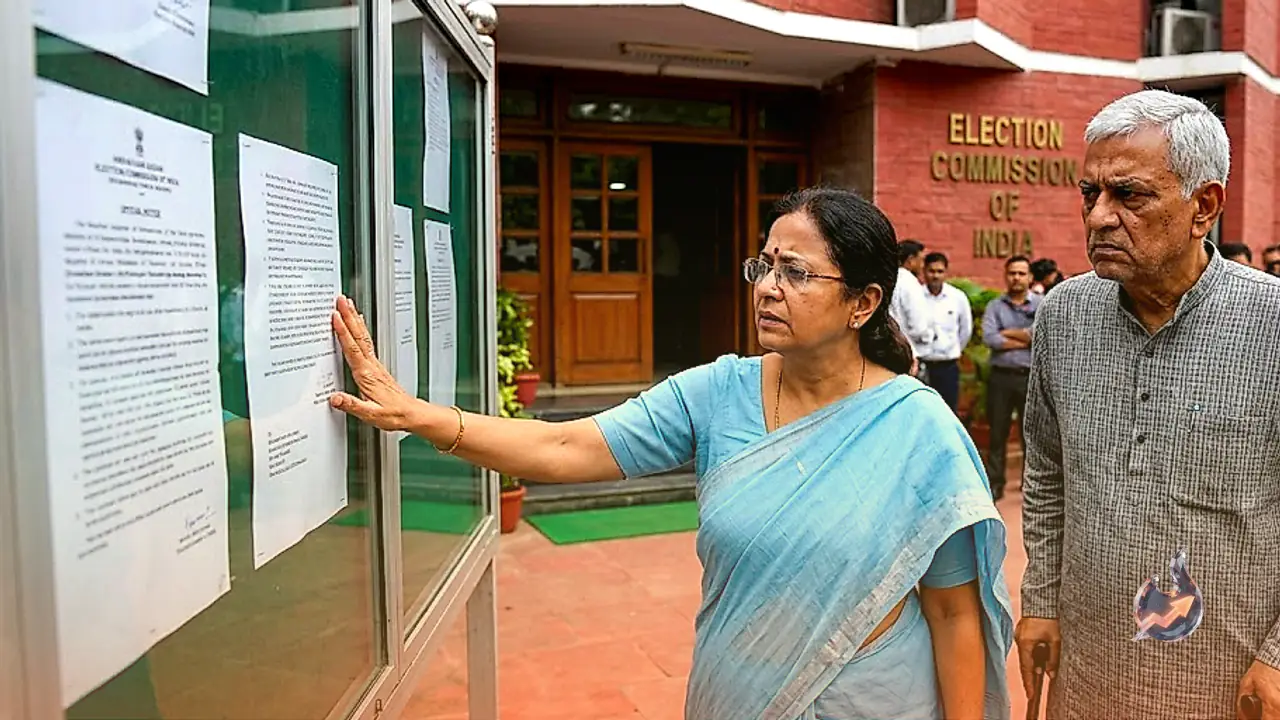

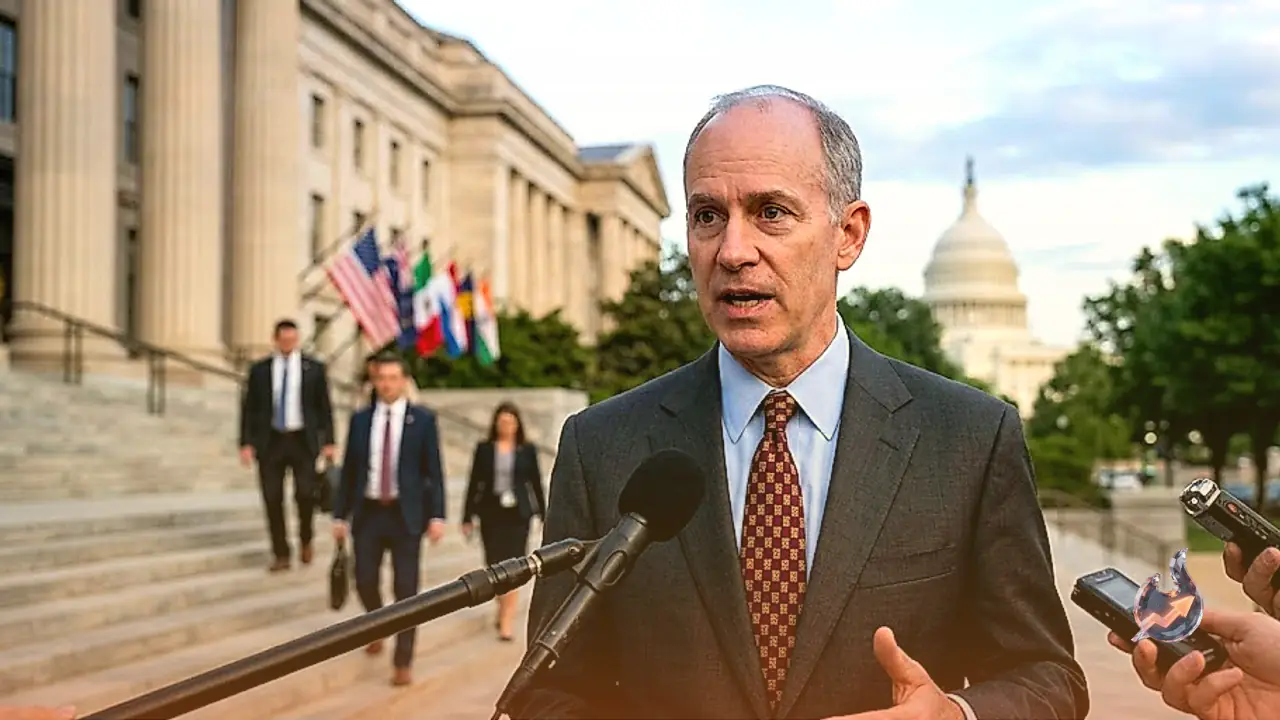


















Abhijeet Dipke, the founder of the Cockroach Janta Party, stated on Monday that his movement is not targeted against any individual political party, but is instead directed against systemic flaws within the governance structure. Speaking on key issues surrounding national education, the role of opposition parties, and civic activism, Dipke emphasized that his organization will consistently stand alongside students wherever educational challenges arise. He noted that students across the country are facing deep frustration, necessitating urgent and serious attention from governments regardless of political affiliations.
Addressing National Educational Challenges and Student Welfare
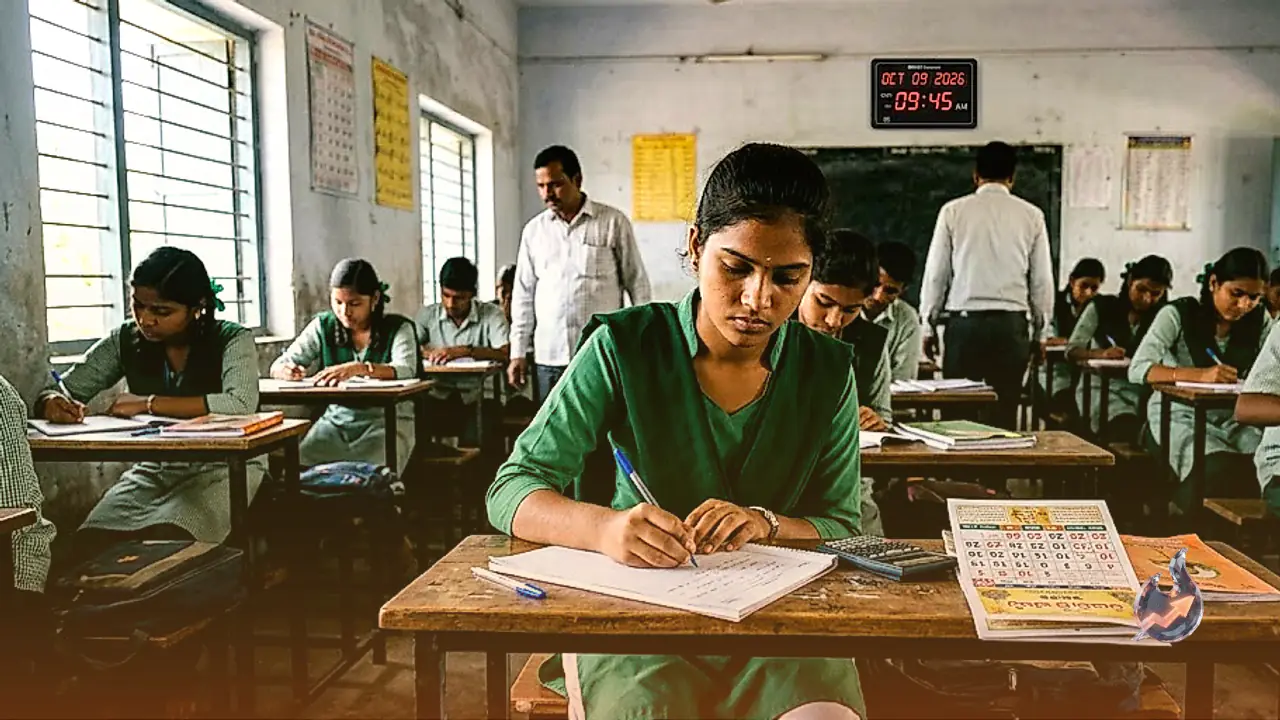
Highlighting the widespread nature of educational issues, Abhijeet Dipke observed that the crisis is not confined to a single state but represents a nationwide systemic struggle. Students across various regions are encountering significant hurdles, which demands that their concerns be heard with absolute seriousness. Dipke clarified that his organization operates without political bias. Should students face hardships under any administration, his group will raise its voice against whichever party holds power. He stressed that regardless of political background, any Chief Minister or Education Minister must place the interests and welfare of students at the top of their priority list.
Impact of Central Enforcement Agencies on Political Opposition
Turning to the state of Indian politics, Dipke analyzed the reasons behind the current vulnerability of opposition parties. He alleged that enforcement agencies such as the Enforcement Directorate (ED) and the Central Bureau of Investigation (CBI) have been utilized against opposition leadership. To illustrate his point, he pointed to political developments in Maharashtra, where major opposition entities including the Shiv Sena and the Nationalist Congress Party (NCP) experienced severe internal splits. Dipke argued that such disruptions have systematically weakened the opposition's stance, altering the balance of democratic checks and balances.
Democratic Accountability and Demands for Governance Reform
Discussing core democratic values, Dipke asserted that the voice of the public remains paramount in a functioning democracy. Whenever citizens articulate their grievances, it is the primary duty of the government to listen attentively and take meaningful action. Expressing his personal political stance, he stated that if a substantial section of students demands the removal of a governing minister, the administration must give serious consideration to that demand. According to Dipke, true democratic governance requires continuous accountability to the electorate rather than mere electoral victory.
Cross-Party Dialogues and Personal Identity
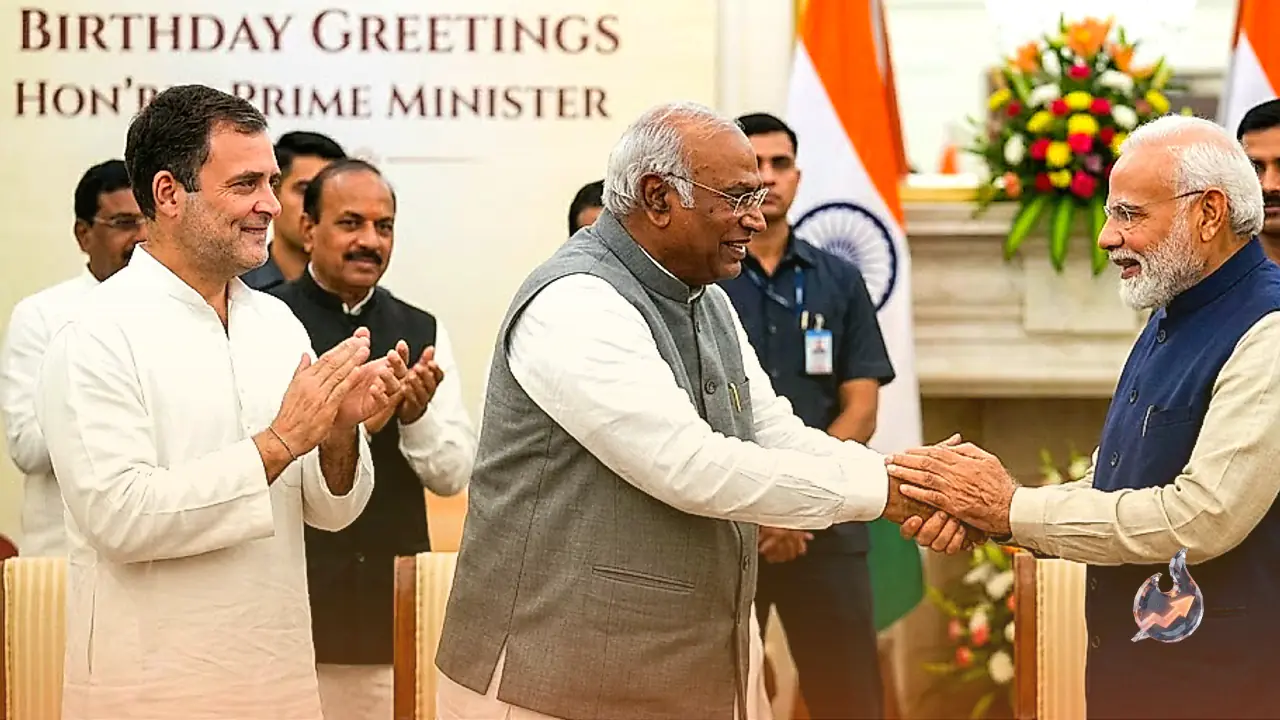
Regarding his personal identity and political engagements, Dipke stated that he disapproves of being compared to historical or social figures and prefers not to be referred to by titles such as "Anna" or "Gandhi". He expressed a firm desire to be recognized strictly by his own independent identity. Addressing his interactions with political parties, Dipke mentioned that recent health issues had temporarily limited his communication. However, he noted that Congress leader Pawan Khera had visited him to convey a message of support from Rahul Gandhi, alongside support from several Congress Members of Parliament. Dipke added that he had also reached out to the Bharatiya Janata Party (BJP) for support, emphasizing his intention to maintain open dialogue across all political factions.
Prioritizing Public Pressure Movements Over Electoral Ambitions
Outlining his future roadmap, Dipke explained that the nation currently requires a robust public pressure group rather than simply establishing another political party. He noted that entering electoral politics is not a universal solution for all systemic problems. Citing the historical precedent of the Emergency, Dipke argued that when democratic foundations face strain, broad-based mass movements and active citizen participation become essential. His current strategy centers on mobilizing public participation to drive structural reforms. Dipke clarified that while his movement currently opposes policies under the ruling BJP government, it will equally challenge any future administration should similar systemic flaws persist.