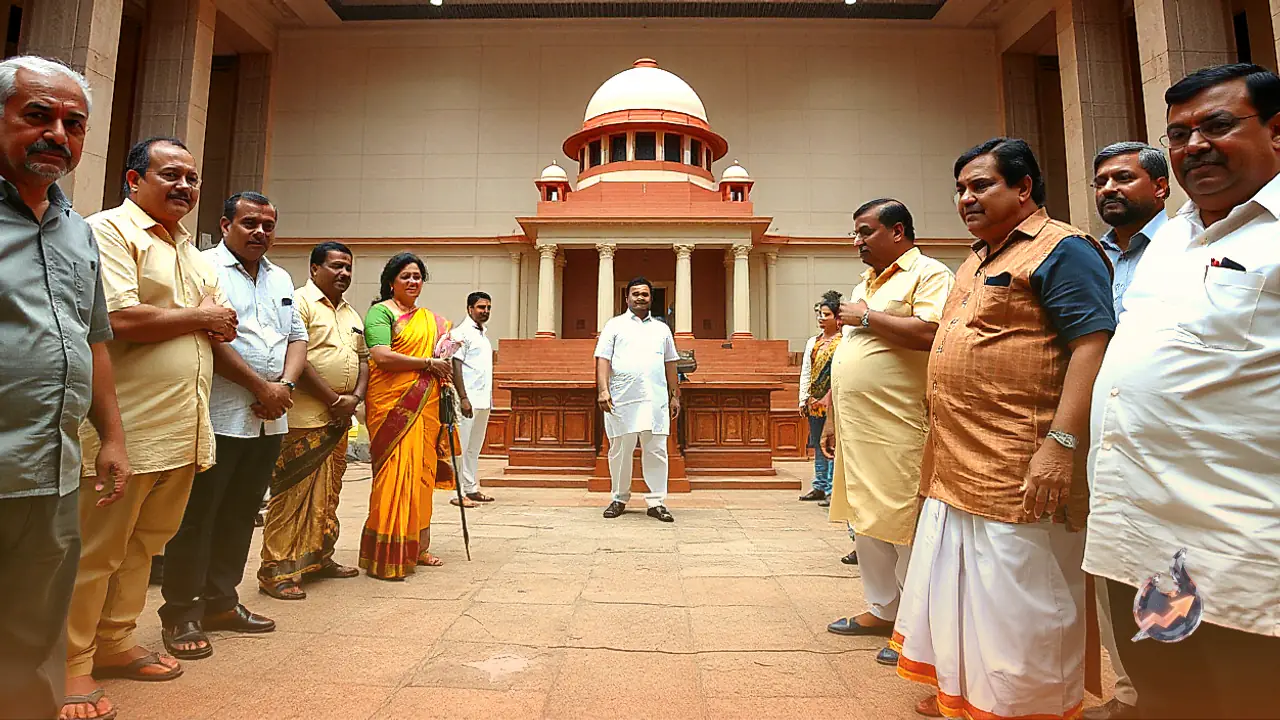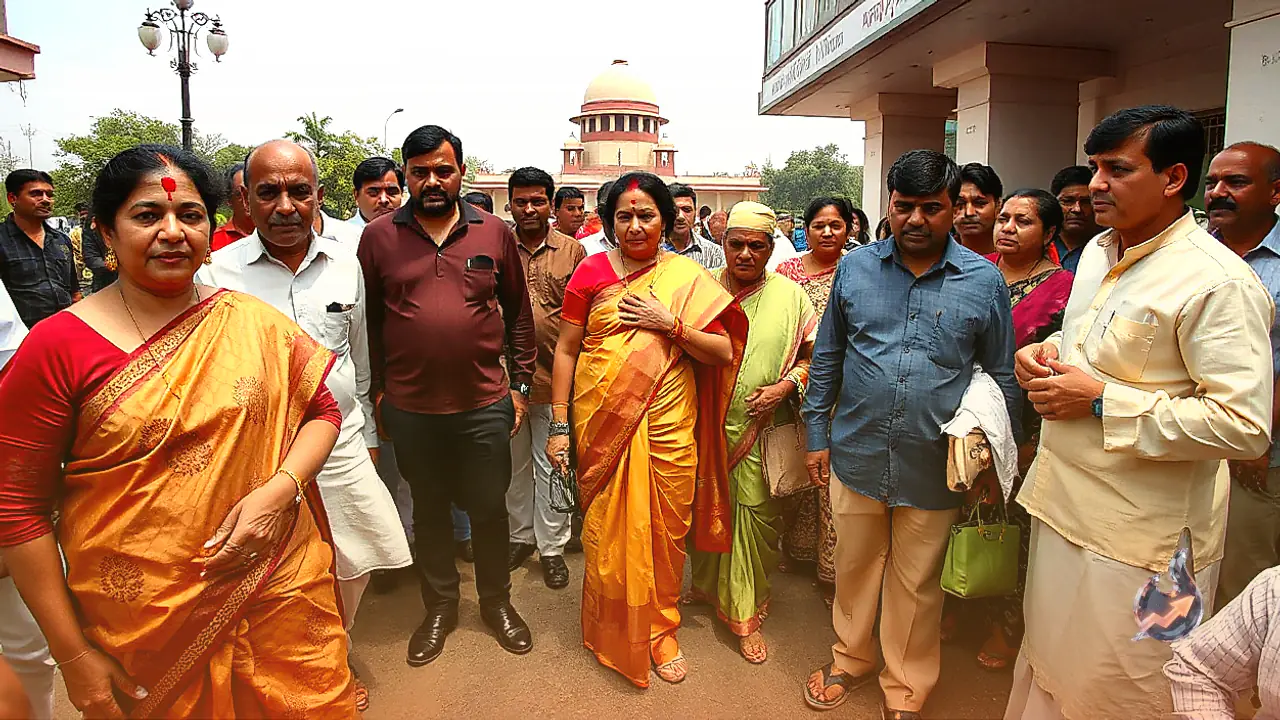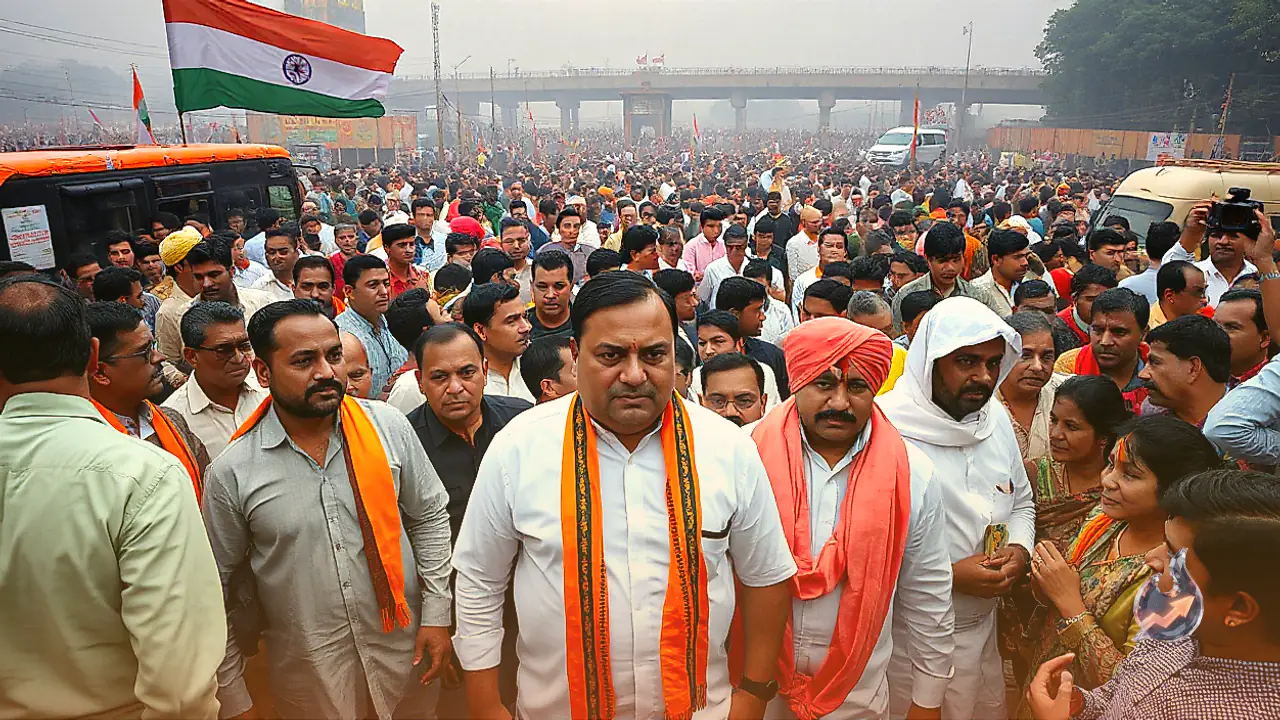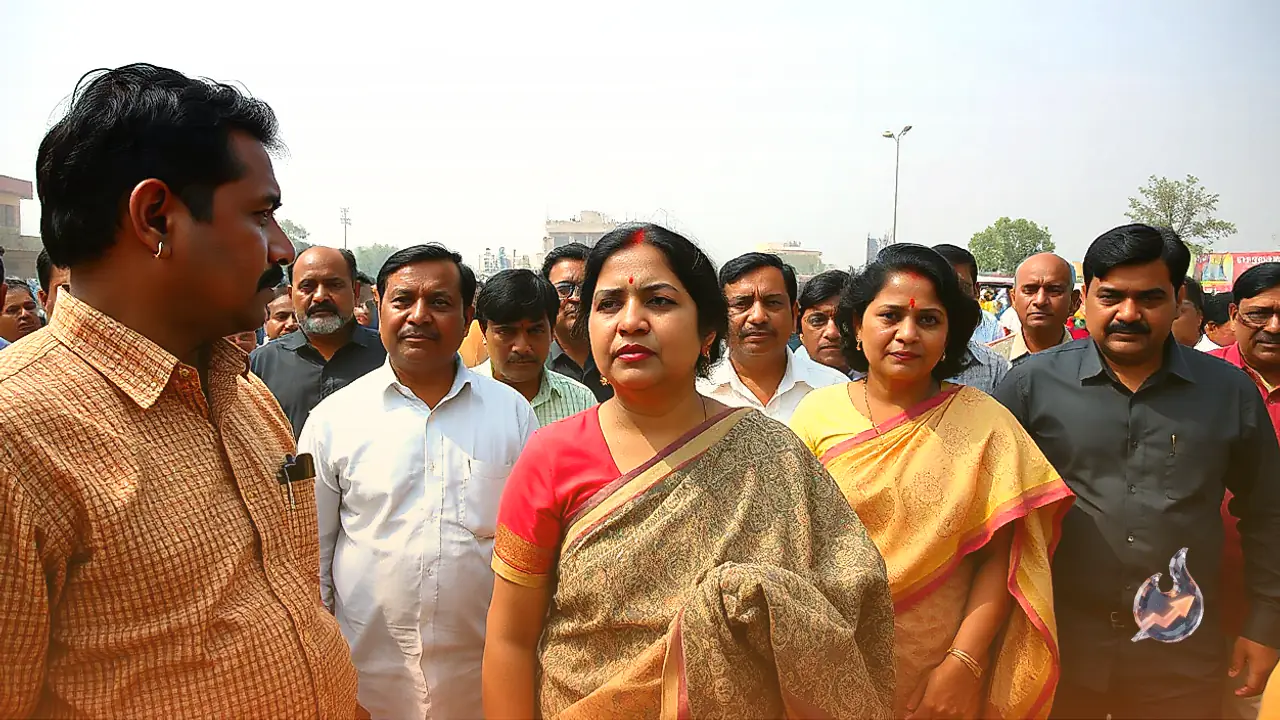





















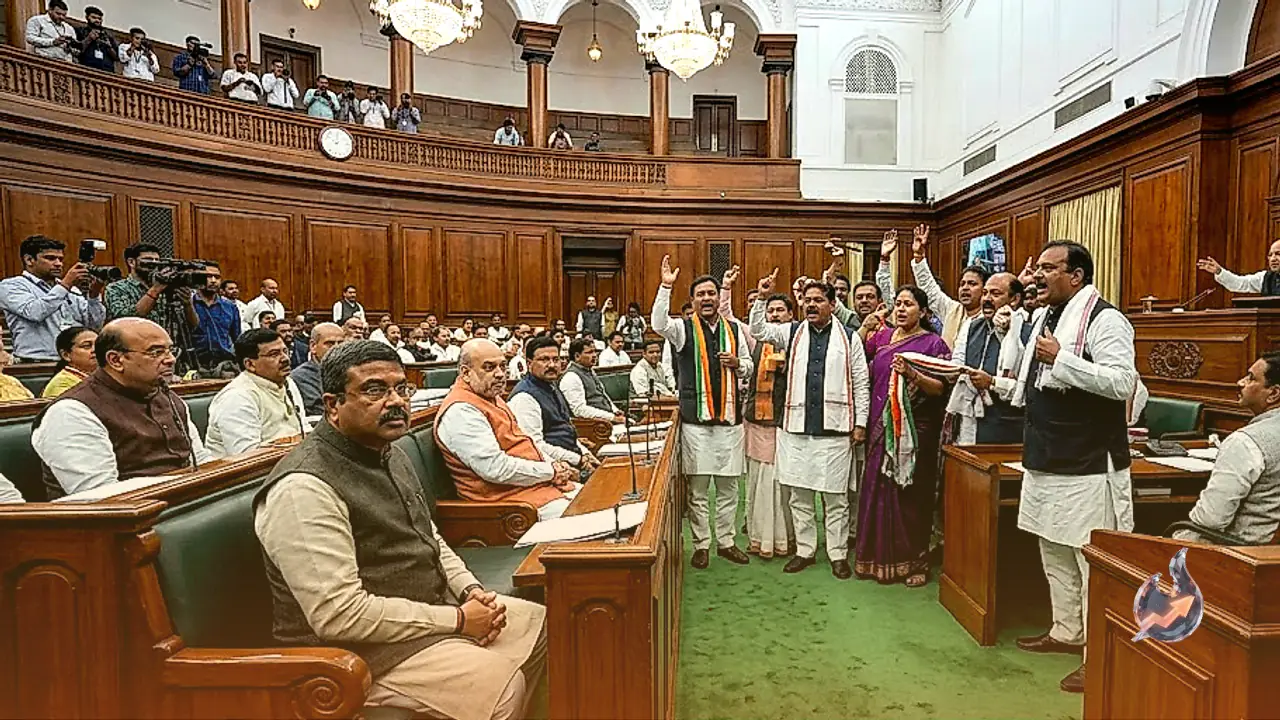

The ongoing Monsoon Session of Parliament has transformed into a high-stakes political battlefield, characterized by absolute gridlock between the ruling dispensation and a united opposition. While opposition parties have launched a coordinated onslaught inside and outside both Houses over alleged irregularities and paper leaks in the national medical entrance examination, NEET-UG, a parallel and highly crucial meeting of the Union Cabinet was convened under the chairmanship of Prime Minister Narendra Modi. This high-profile Cabinet meeting focused primarily on formulating stringent legislative measures to dismantle organized paper leak syndicates and safeguard the integrity of India's examination system. Concurrently, legislative action unfolded in the Rajya Sabha during its afternoon session with the introduction of a new amendment bill, further intensifying the political climate.
Introduction of the National Honour Bill in Rajya Sabha Amid Adjournments
Following intense disruptions during the morning session, the Rajya Sabha reconvened at 2 PM under a cloud of ongoing protests. Amid the continuous uproar, Minister of State for Home Affairs Nityanand Rai introduced the 'Vande Mataram' Bill, officially known as the National Honour (Amendment) Bill. The primary objective of this legislative proposal is to amend and strengthen the existing statutory provisions governing national symbols and honor, ensuring their dignity is preserved. However, the introduction of the bill failed to pacify the agitated opposition members, who intensified their slogans against the government. Realizing that productive legislative business was impossible under such conditions, the chair adjourned the Rajya Sabha proceedings until Monday. Earlier in the day, the House had faced similar disruptions over the NEET-UG paper leak and protests by student bodies at Jantar Mantar, which had forced an initial adjournment until 12 PM.
The Union Cabinet's Comprehensive Strategy Against Paper Leak Mafias
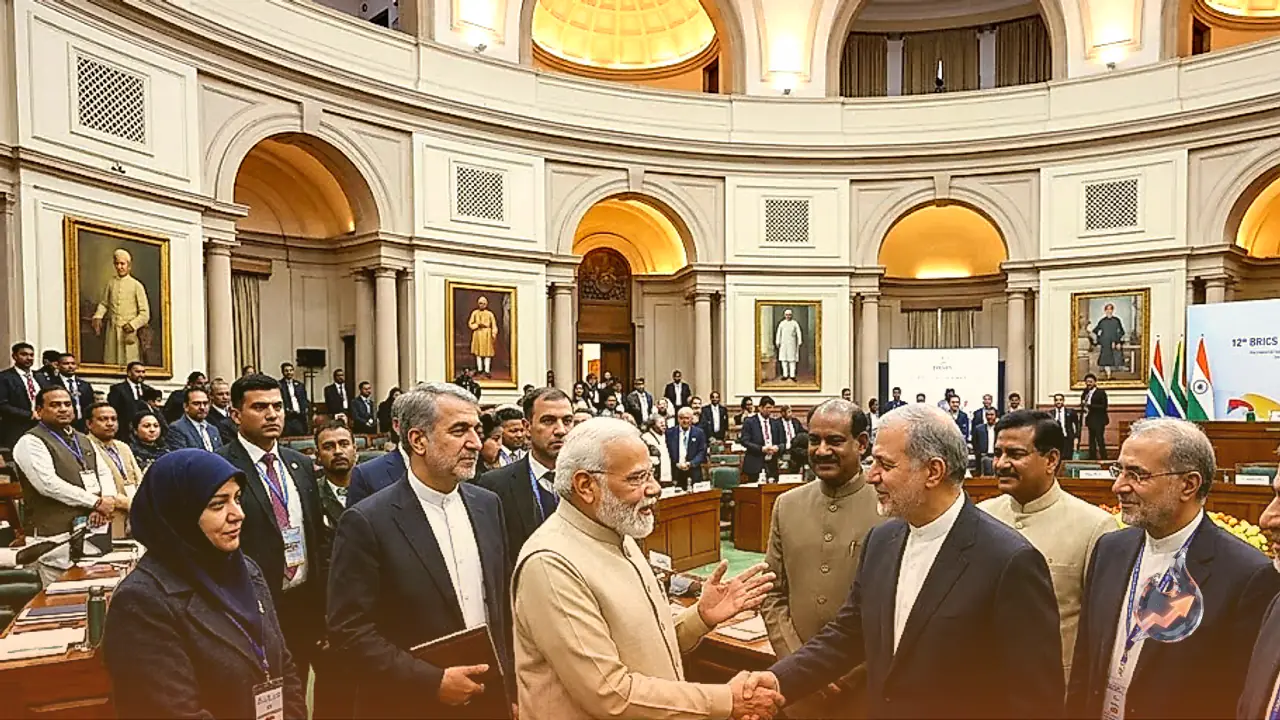
Aiming to secure the academic and professional future of millions of young aspirants across the country, the Union Cabinet meeting chaired by Prime Minister Narendra Modi assumed immense significance. According to highly placed sources, the central agenda of this meeting revolved around implementing uncompromising legal frameworks to target and neutralize organized paper leak mafias and cheating syndicates. The government is actively deliberating on how to fortify existing laws to ensure that any individual or group attempting to compromise the sanctity of examinations faces swift and severe consequences. The ultimate goal of these executive deliberations is to restore public faith in national competitive testing structures and eliminate systemic vulnerabilities.
Strengthening the Legal Foundations of the Public Examinations Act 2024
To understand the scope of the proposed changes, it is essential to look at the legislative steps already taken by the government. In June 2024, the central government implemented the Public Examinations (Prevention of Unfair Means) Act, which comprehensively covers major national-level public and competitive examinations, including NEET-UG and JEE. Under this robust legislation, acts such as leaking examination papers, participating in organized cheating syndicates, impersonating actual candidates, and unauthorized tampering with computer systems are classified as severe, non-bailable criminal offenses. Currently, individual offenders face prison terms ranging from three to five years, accompanied by fines of up to 10 lakh rupees. For organized syndicates found guilty of orchestrating systemic paper leaks, the penalties are significantly harsher, carrying imprisonment of five to ten years and a minimum fine of 1 crore rupees. The Cabinet is now looking to raise these penal thresholds even further.
Proposed Fast-Track Courts and the Three-Month Verdict Mandate
One of the most radical proposals currently under consideration by the Union Cabinet is the formal legal recognition and establishment of dedicated fast-track courts. These specialized judicial bodies would be tasked solely with handling cases related to paper leaks and competitive exam malpractice. Under the proposed framework, the government aims to establish a strict, legally mandated timeline. Once investigating agencies complete their probe and file a formal charge sheet, these fast-track courts would be required to deliver a final judgment within a maximum period of three months. This swift judicial intervention is expected to act as a powerful deterrent against potential offenders while ensuring that innocent students do not suffer from prolonged legal uncertainties.
Rahul Gandhi Accuses Government of Silencing Opposition and Lists Demands
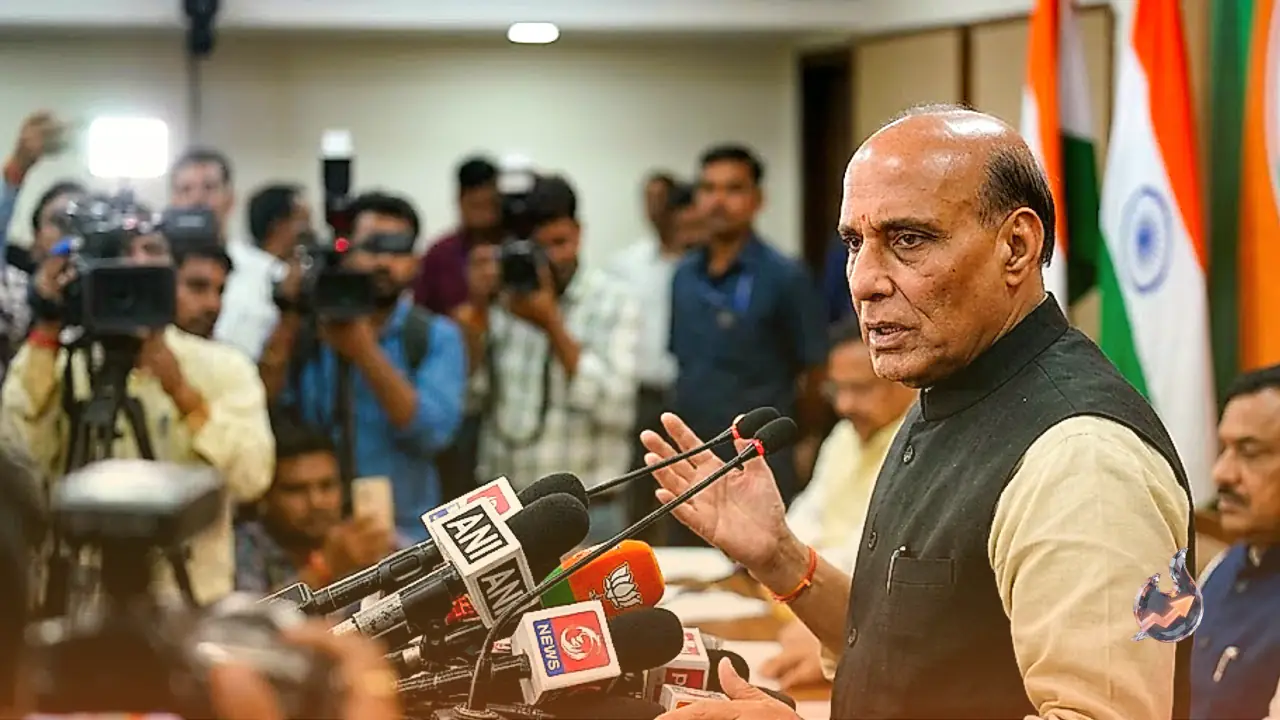
Concurrently, the Lok Sabha witnessed high-voltage drama as Leader of the Opposition Rahul Gandhi launched a direct attack on the treasury benches. Speaking to journalists outside the House, Rahul Gandhi accused Parliamentary Affairs Minister Kiren Rijiju of performing a double standard. He claimed that while Rijiju had initially reached out to him to request a cooperative dialogue, his microphone was abruptly turned off the moment he stood up inside the House to voice the concerns of the student community. Gandhi stated that the protesting students have three non-negotiable demands that the government must address immediately. The first demand is the immediate resignation of Union Education Minister Dharmendra Pradhan. The second is strict disciplinary action against police officers and security personnel who allegedly used force on peaceful student demonstrators. The third demand is a direct public apology from Prime Minister Narendra Modi to the nation's youth. Rahul Gandhi reiterated that no parliamentary discussion would take place until Dharmendra Pradhan steps down from his post.
Continuous Deadlock and the Day-Long Adjournment of Lok Sabha
In the lower house of Parliament, MPs representing the opposition INDIA bloc maintained their highly aggressive strategy regarding the NEET-UG paper leak controversy. Immediately after the Lok Sabha commenced its sitting, opposition members swarmed the well of the House, raising loud slogans demanding the immediate ouster of the Education Minister. Despite the chaotic environment, Parliamentary Affairs Minister Kiren Rijiju repeatedly appealed to the opposition to allow the House to function. He emphasized that the government is fully prepared and willing to hold a structured, comprehensive debate on the issue under established parliamentary rules. However, the opposition refused to yield, insisting that the minister's resignation must precede any debate. Unable to restore order or conduct any legislative business, the Speaker was forced to adjourn the Lok Sabha for the entire day. This followed a similar washout on Thursday, where both houses were adjourned without transaction of any legislative work.
Kiren Rijiju Criticizes Opposition Strategy and References Sonam Wangchuk
Expressing deep disappointment over the persistent parliamentary stalemate, Parliamentary Affairs Minister Kiren Rijiju criticized the opposition's conduct. In his statement in the Lok Sabha, Rijiju highlighted that renowned climate activist Sonam Wangchuk had recently concluded his 26-day-long hunger strike after engaging in dialogue, suggesting that the opposition should similarly abandon its rigid stance and respect democratic processes. Rijiju made a direct appeal to Leader of the Opposition Rahul Gandhi, urging him to facilitate a healthy, constructive debate within the chambers so that all political parties could present their views on the matter. The minister accused the opposition of deliberately avoiding a structured discussion by setting unrealistic pre-conditions and manufacturing excuses, asserting that the government remains fully committed to answering every question in the interest of students.
Mallikarjun Kharge Slams PM Modi's Video Address on Social Media
Congress President Mallikarjun Kharge reacted sharply to a recent video message released by Prime Minister Narendra Modi concerning the NEET-UG issue. Sharing his thoughts in a detailed post on the social media platform X, Kharge argued that when a crucial Parliament session is active, the Prime Minister has a constitutional duty to address the floor of the House rather than releasing late-night pre-recorded video messages. Kharge compared the Prime Minister's video address to a one-sided public broadcast, calling it an attempt to bypass parliamentary accountability. He demanded that before entering the Parliament, the Prime Minister must dismiss Education Minister Dharmendra Pradhan, penalize those responsible for using lathi-charge and pellet guns against student protesters, and issue a formal apology. Kharge made it clear that the Congress party would only participate in detailed discussions on educational reforms once these primary conditions are met.
The Impact of Police Action Against Student Protesters
In addition to the core paper leak controversy, the issue of police action against students during their 'Parliament Chalo' march on July 20 is set to become a major flashpoint in upcoming parliamentary sittings. The opposition intends to seek a detailed explanation from the government regarding the alleged use of force and containment measures employed by security agencies. On the other hand, the government is expected to defend its decisions by presenting security reports and emphasizing the necessity of maintaining law and order in the national capital. This ensures that the intersection of youth aspirations, educational security, and state authority will remain at the very center of India's political discourse.
INDIA Bloc to Protest at Makar Dwar and Future Legislative Stance
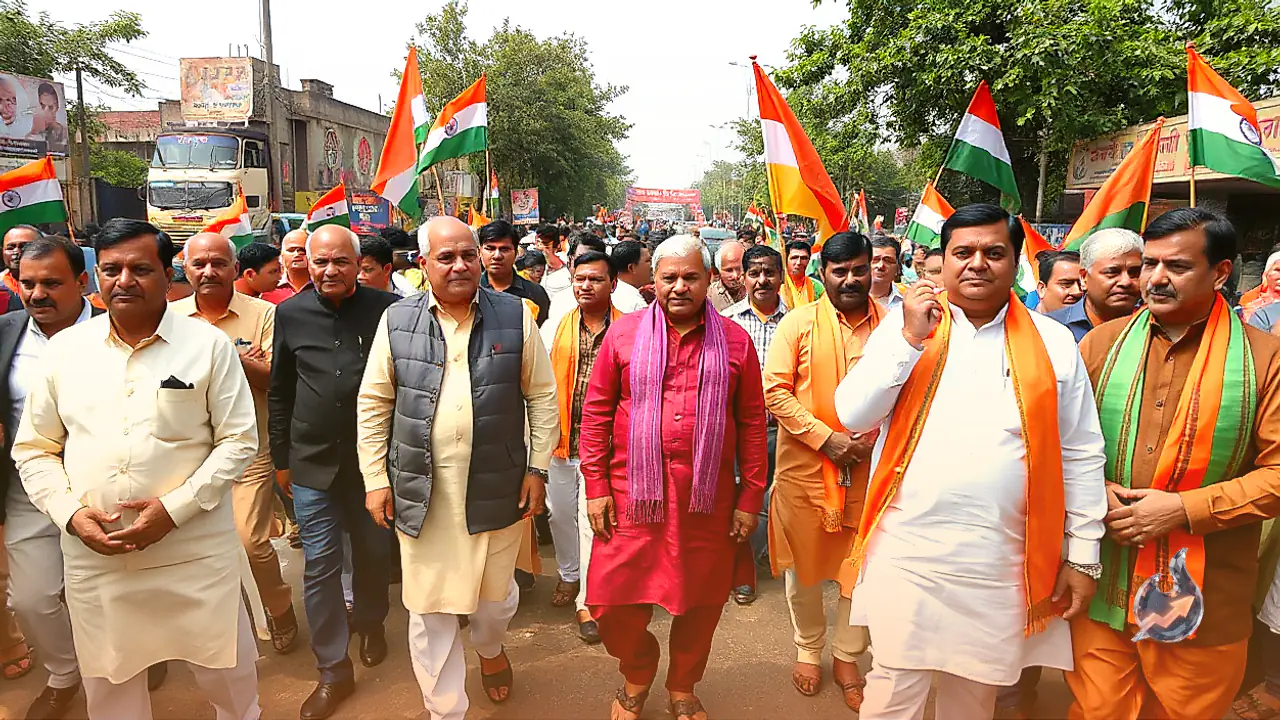
To demonstrate their collective strength and keep the pressure on the ruling alliance, MPs from the opposition INDIA bloc have planned a major demonstration at the Makar Dwar of the Parliament House. Through this joint protest, the opposition aims to visually represent the grievances of millions of students affected by the NEET-UG paper leak. While the opposition remains steadfast in its demand for accountability, Congress party sources have hinted that they will continue to evaluate other government bills on their individual merits. They may participate in debates on standard legislative business, provided the government takes concrete steps toward fixing accountability for the systemic failures in national examination boards.
Tributes to Kargil Martyrs and the Heavy Legislative Cost of Disruptions
The parliamentary session on Friday morning had opened with a solemn and unifying moment. As soon as the Lok Sabha convened at 11 AM, the Speaker led the House in paying rich tributes to the brave soldiers who made the supreme sacrifice during the Kargil War, marking the 25th anniversary of the historic military victory. The entire House observed a two-minute silence as a mark of respect for the fallen heroes. Unfortunately, this moment of national unity was short-lived. As soon as the regular business of the day was introduced, the clamor of political confrontation resumed, ultimately leading to the suspension of all legislative activity for the day. As the Monsoon Session progresses, the rising legislative cost of these persistent washouts remains a major concern for observers and citizens alike.