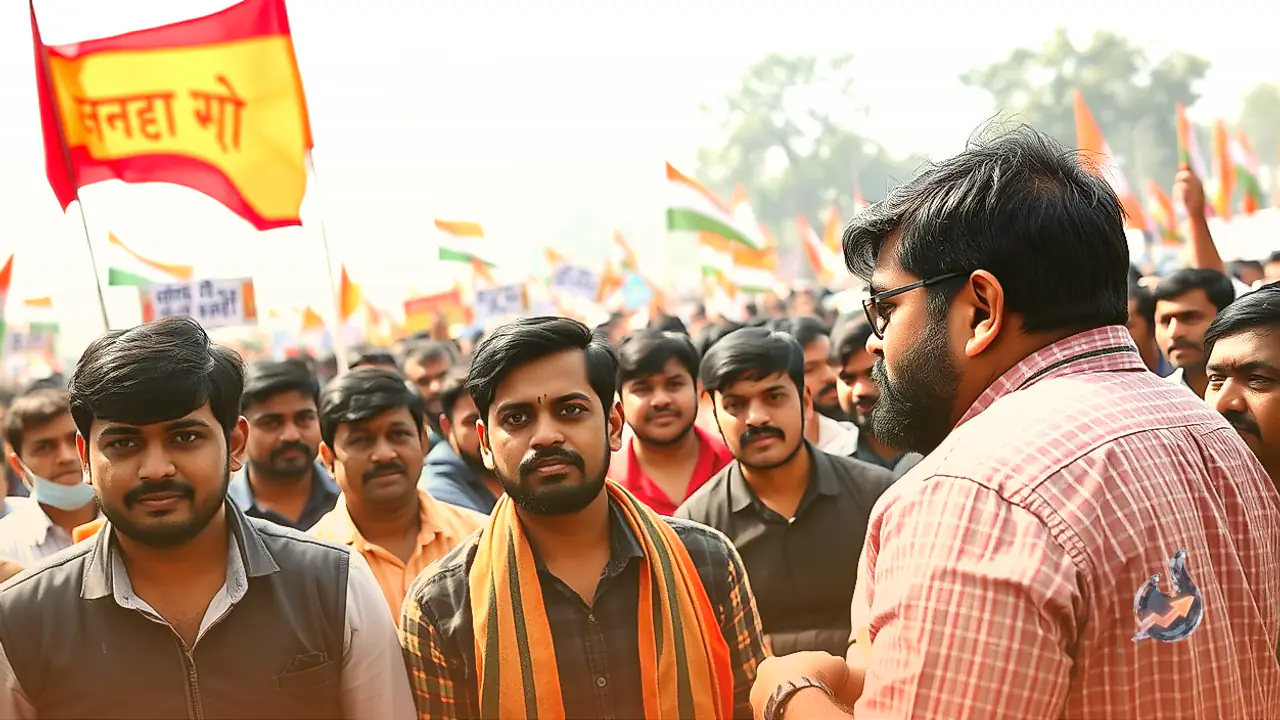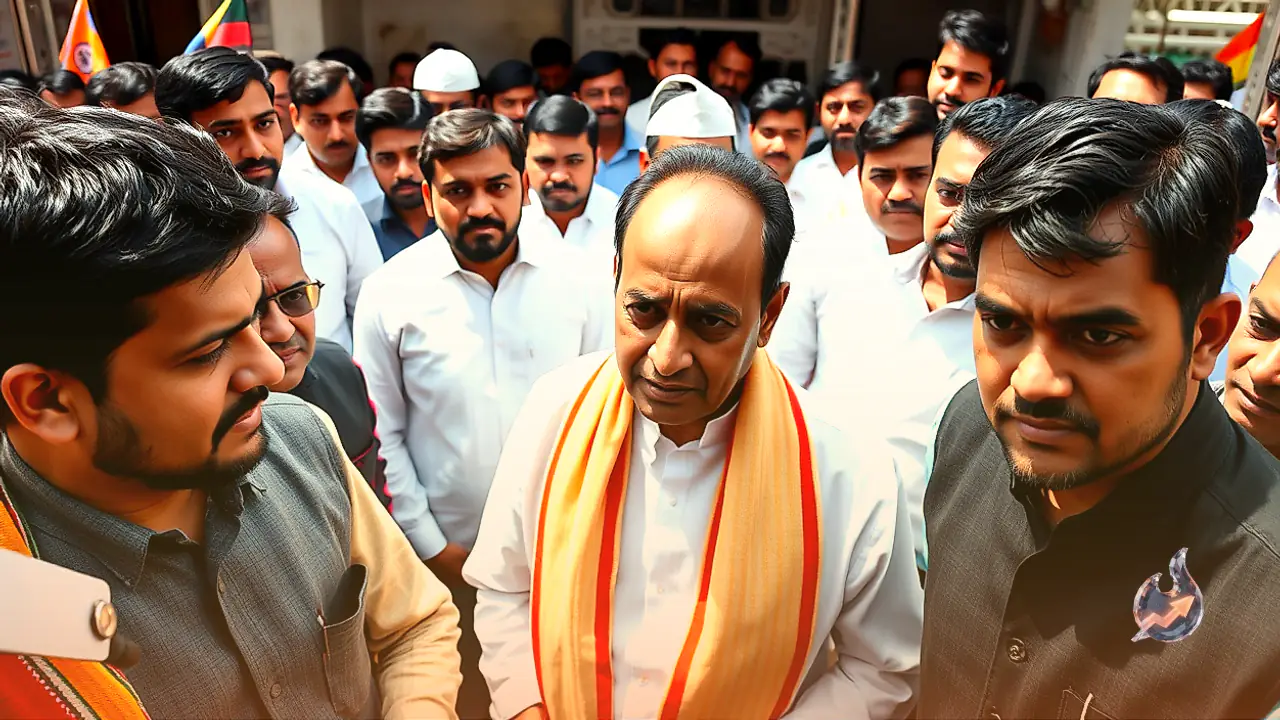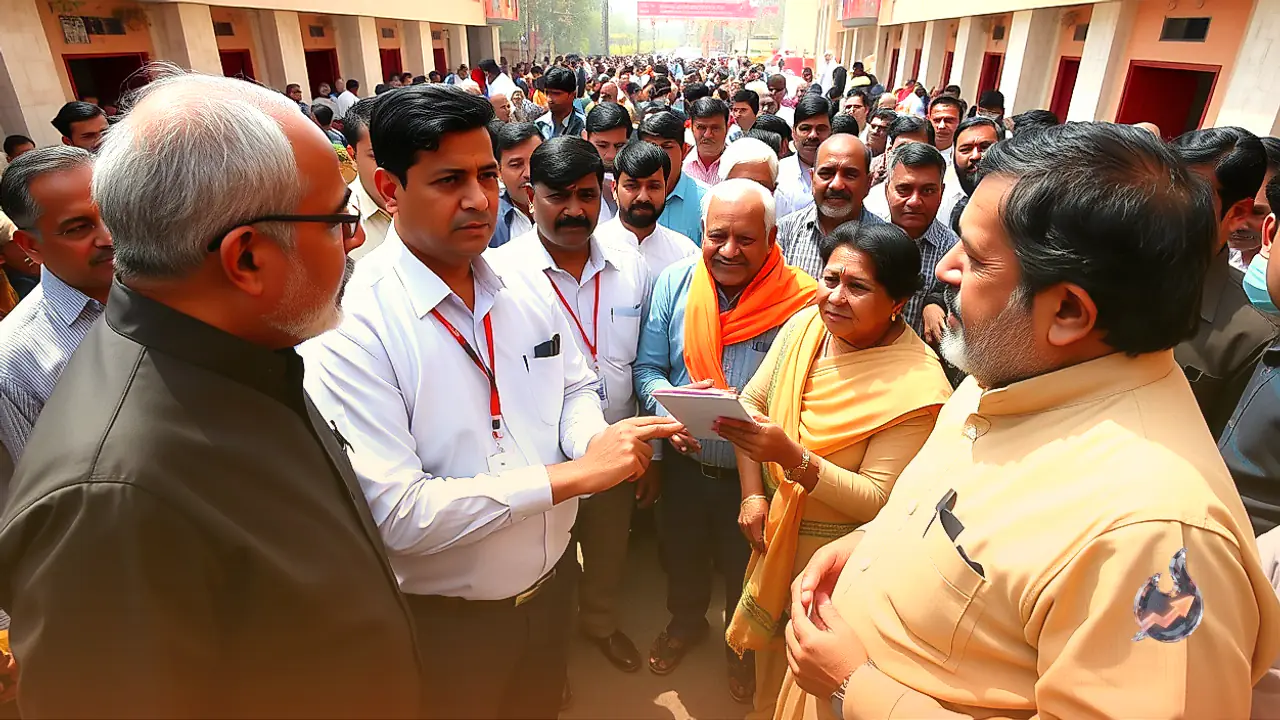
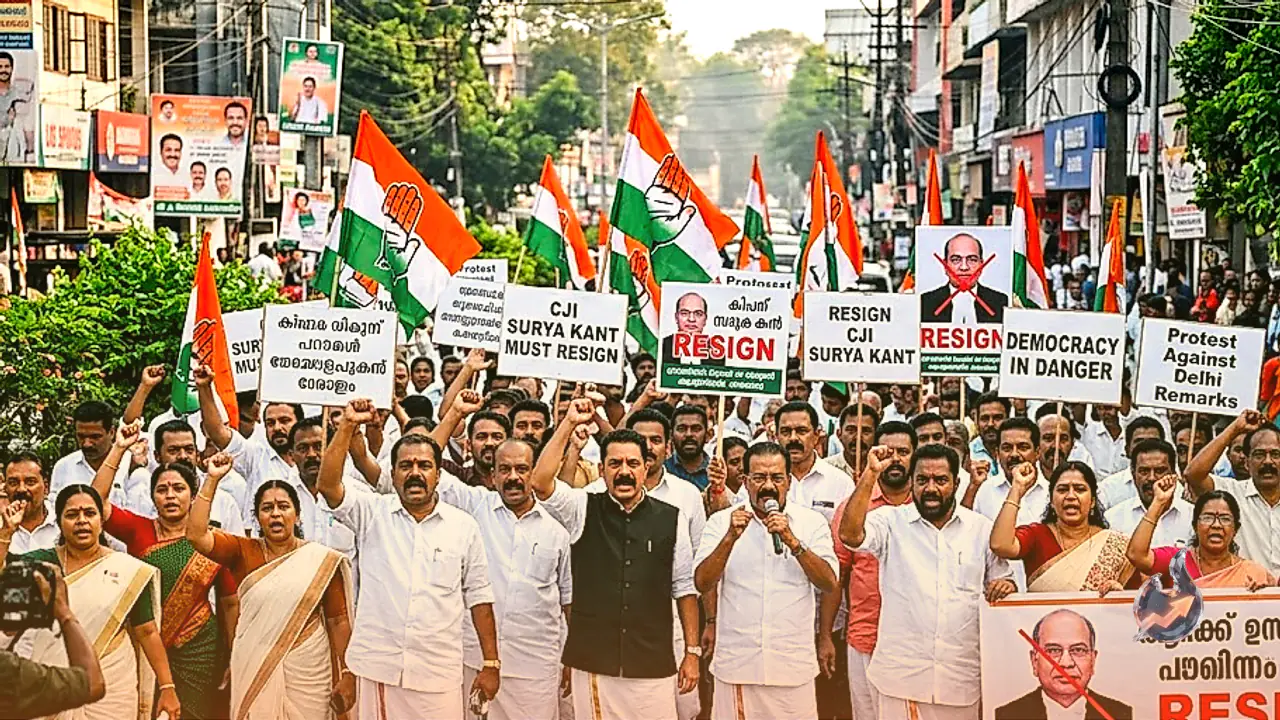

















Addressing a large gathering at the Jalsa-e-Rahmatul-lil-Aalameen held at the AIMIM headquarters in Darussalam, Hyderabad on Tuesday, Asaduddin Owaisi launched a detailed attack on recent policy moves and judicial decisions. He raised fundamental objections to the adoption of the Uniform Civil Code across several states and expressed strong disagreement with an Allahabad High Court ruling concerning hijab in educational institutions. Throughout his address, Owaisi invoked constitutional guarantees, fundamental rights, and the history of India's freedom movement to challenge the government and its ideological allies.
Owaisi Questions Foundations of Proposed Civil Codes
Focusing on the implementation of the Uniform Civil Code in Uttarakhand, Assam, and Gujarat, Asaduddin Owaisi questioned the rationale behind calling these measures uniform. He argued that if the legislative framework of these codes heavily borrows from the Hindu Marriage Act, Hindu Divorce Act, and Hindu Succession Act, they cannot legitimately be termed uniform civil legislation. He questioned why rules anchored in Hindu personal law should be imposed upon Muslims. Reaffirming the community's commitment to its faith, Owaisi stated that attempts to separate Muslims from their religious practices would fail, emphasizing that believers would continue following the teachings of the Quran and Sunnah without abandoning their religion.
The High Court Hijab Verdict and Constitutional Rights
Owaisi expressed deep dissatisfaction with the Allahabad High Court's dismissal of a petition filed by a minor female student from a Prayagraj school who had sought permission to wear a headscarf alongside the standard school uniform. On Tuesday, the High Court ruled that the petitioner failed to submit scriptural proof establishing that wearing a scarf is an essential religious practice without which faith is compromised, noting also that other female students from the same community attended class without headscarves. Disagreeing with the decision, Owaisi characterized the outcome as an attack on Islam and asserted that it breaches Articles 19 and 25 of the Indian Constitution. Questioning the judiciary's role in determining essential religious tenets, he remarked, “Girls wear hijab on their head, not on their brain.” He further pointed out that the overarching legal question of essential religious practices remains pending before the Supreme Court in the Sabarimala matter.
National Commitment, Freedom Struggle, and Historic Sacrifices
Emphasizing patriotism, Asaduddin Owaisi stated that Muslims remain deeply committed to protecting India and contributing to its emergence as a global superpower while retaining their religious identity. He recalled the historic sacrifices made during the Indian independence movement, noting that freedom was won through the lives of martyrs across communities. Specifically highlighting freedom fighter Turrebaz Khan, Owaisi urged that the courage and sacrifices of such figures must never be erased or forgotten from the national memory.
RSS and BJP Accused of Favoring Manusmriti Over Constitution
Directing criticism at the RSS and BJP, Owaisi alleged that these organizations historically preferred Manusmriti over the Indian Constitution. Citing historical records, he asserted that after the Constituent Assembly adopted the Constitution on November 26, 1949, an RSS publication printed a commentary four days later on November 30 expressing dissatisfaction with the text. According to Owaisi, the article argued that the new document was not an appropriate constitution for the nation and suggested that Manusmriti should have been adopted instead, illustrating a long-standing grievance against the constitutional framework crafted by Babasaheb Ambedkar.