






















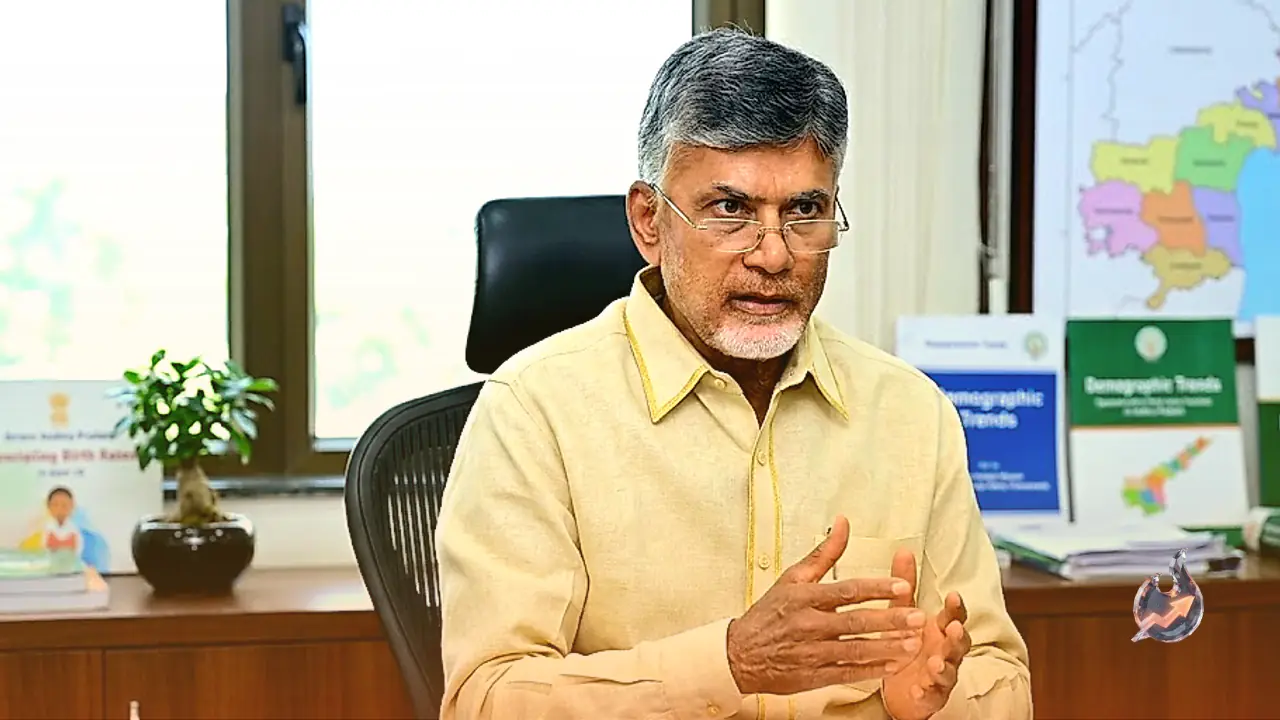

Andhra Pradesh Chief Minister N. Chandrababu Naidu has once again drawn attention to the declining fertility rates, sparking a widespread debate. He asserted that families should not view child-rearing as a burden because children represent true wealth, warning that a lack of offspring could eventually force future generations into serving machines.
The Realities of an Aging Population
This concern cannot be entirely dismissed, as rapid population aging presents a genuine challenge for any society. A shrinking workforce directly impacts the economy, places pressure on social security systems, and raises serious questions about elder care. However, the fundamental question remains whether the ideal response to this demographic shift is simply producing more children. Furthermore, it raises ethical questions about whether children should be brought into the world primarily to serve as future taxpayers, machine operators, or caregivers.
Quality Over Quantity in Upbringing
Describing children as assets makes emotional sense within families, but interpreting that to mean more children equal a larger workforce invites scrutiny. The quality of a child's life matters far more than mere numbers. If a family can provide two children with top-tier education, healthcare, and security, having three or four children does not automatically translate to a greater societal contribution. Today's youth are not opting for smaller families out of a lack of affection for children; rather, they face harsh economic realities such as expensive housing, skyrocketing education costs, job insecurity, long working hours, and demanding urban lifestyles.
The Role of Government Support
This is where governance plays a crucial role. If administrations genuinely desire higher birth rates, mere appeals or monetary incentives will fall short. They must build robust support systems ensuring affordable education, accessible healthcare, and reliable childcare facilities for working parents. Women should not be forced to sacrifice their careers upon starting a family, and economic stability must be guaranteed. Simply cautioning that failing to have children leads to serving machines is hardly an effective way to address the concerns of the younger generation.
Leveraging Technology and Productivity
While falling fertility and rising elderly populations pose administrative hurdles, boosting birth rates is not the sole solution. Modern technology can bridge workforce gaps significantly. Additionally, improved health standards allow individuals to remain productive to an advanced age, while boosting female participation in the labor market can offset demographic deficits. The future depends not just on headcount, but on how efficiently human potential and technology are managed.
Autonomy and a Humane Approach
Ultimately, while governments can monitor demographic trends and offer welfare measures, family planning must remain a personal choice. Motherhood is not merely a statistical figure for population charts, and a child is not just future workforce units. Creating a sustainable society requires removing the burdens associated with parenting rather than instilling fear about an automated future.