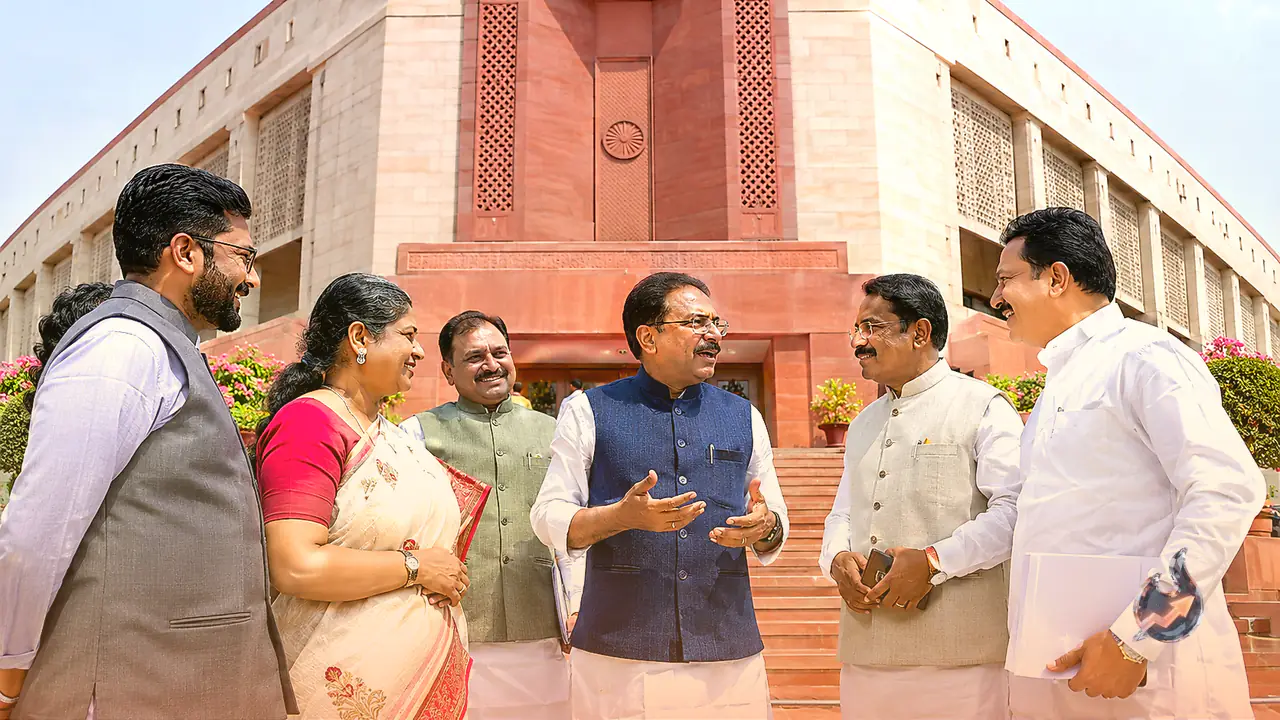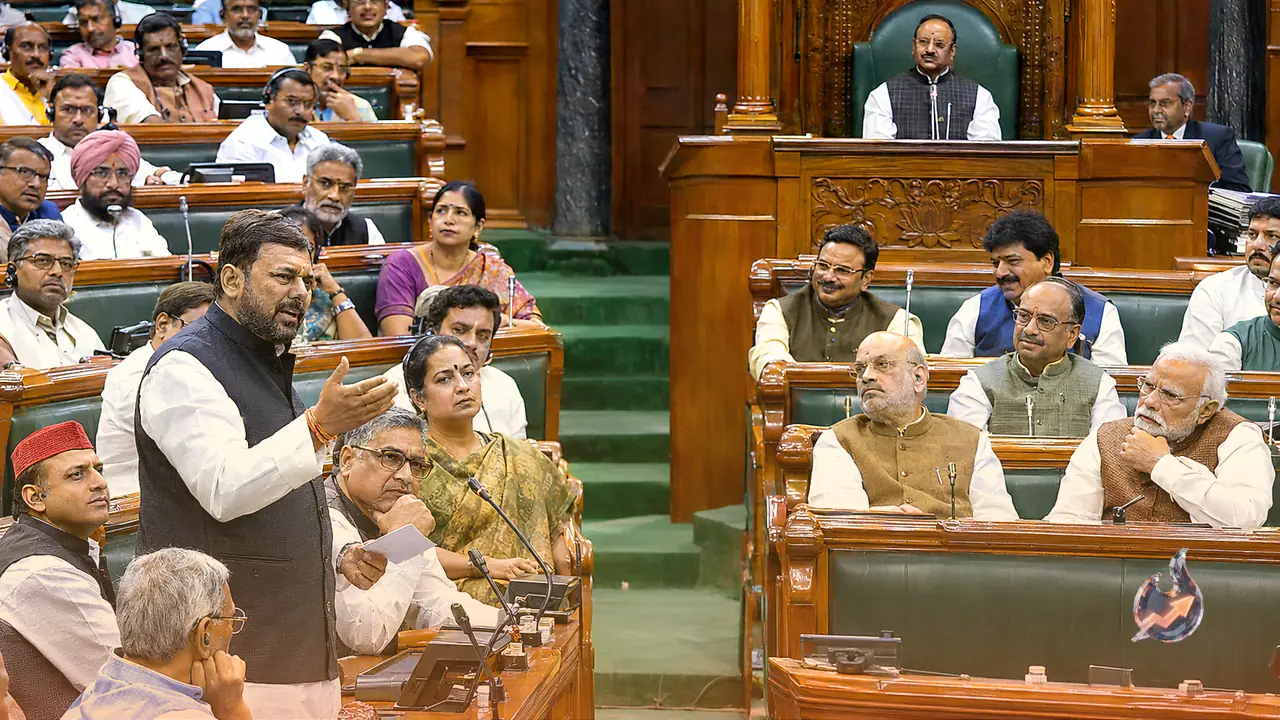

The parliamentary dynamics surrounding the upcoming presentation of the revised Delimitation Bill have transformed significantly. Just seven months after opposition parties joined hands to block the constitutional amendment in the Lok Sabha, shifted alliances, internal political splits, and key policy revisions by the central government have reshaped the voting arithmetic. The decision of Tamil Nadu's ruling Dravida Munnetra Kazhagam (DMK) to back the revised legislation marks a major turning point in favor of the National Democratic Alliance (NDA).
DMK's Change of Stance and the Revised Delimitation Plan
On April 16 earlier this year, Tamil Nadu Chief Minister MK Stalin staged a protest in Namakkal by burning a copy of the Delimitation Bill while clad in black attire. The following day, on April 17, the opposition coalition successfully stalled the bill in the Lok Sabha, where 298 members voted in favor and 230 voted against. The ruling alliance had fallen 54 votes short of the two-thirds majority mandatory for a constitutional amendment. At the time, DMK leadership, including MP Dayanidhi Maran, had voiced strong concerns that seat reallocation based on updated census data would reduce Tamil Nadu's proportional representation in Parliament, citing a state assembly resolution demanding that Lok Sabha seats remain capped at 543.
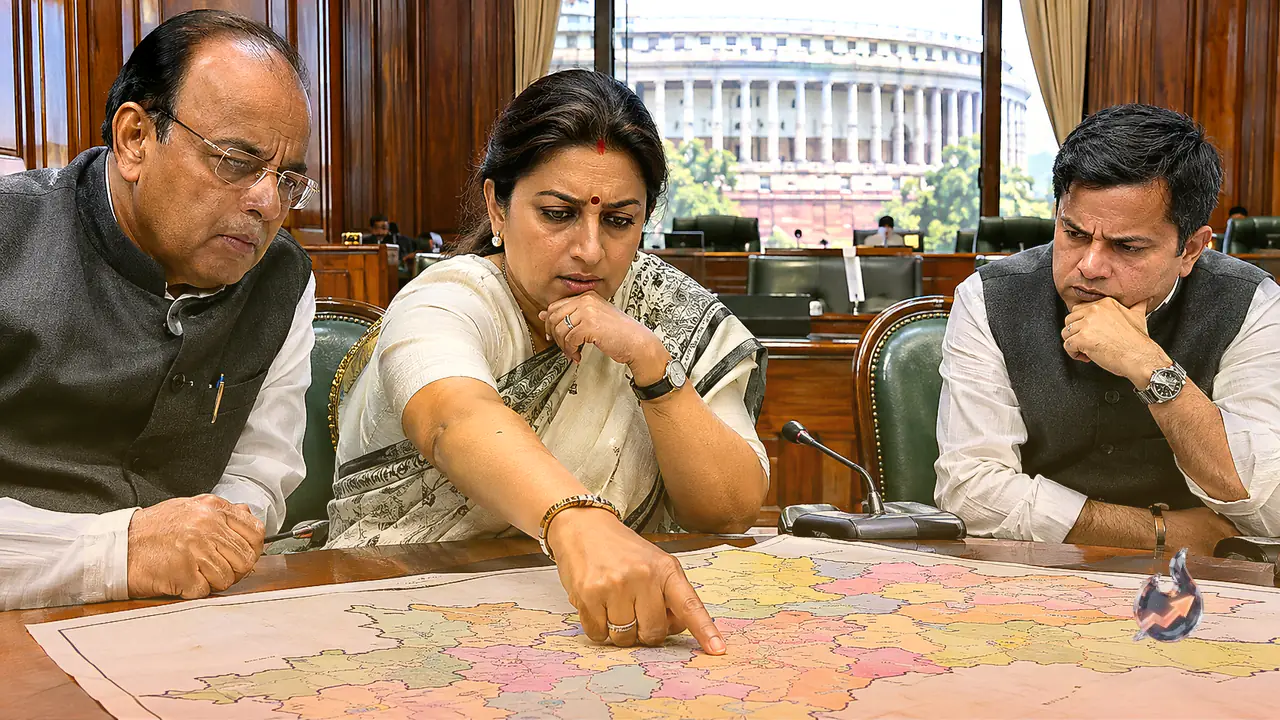
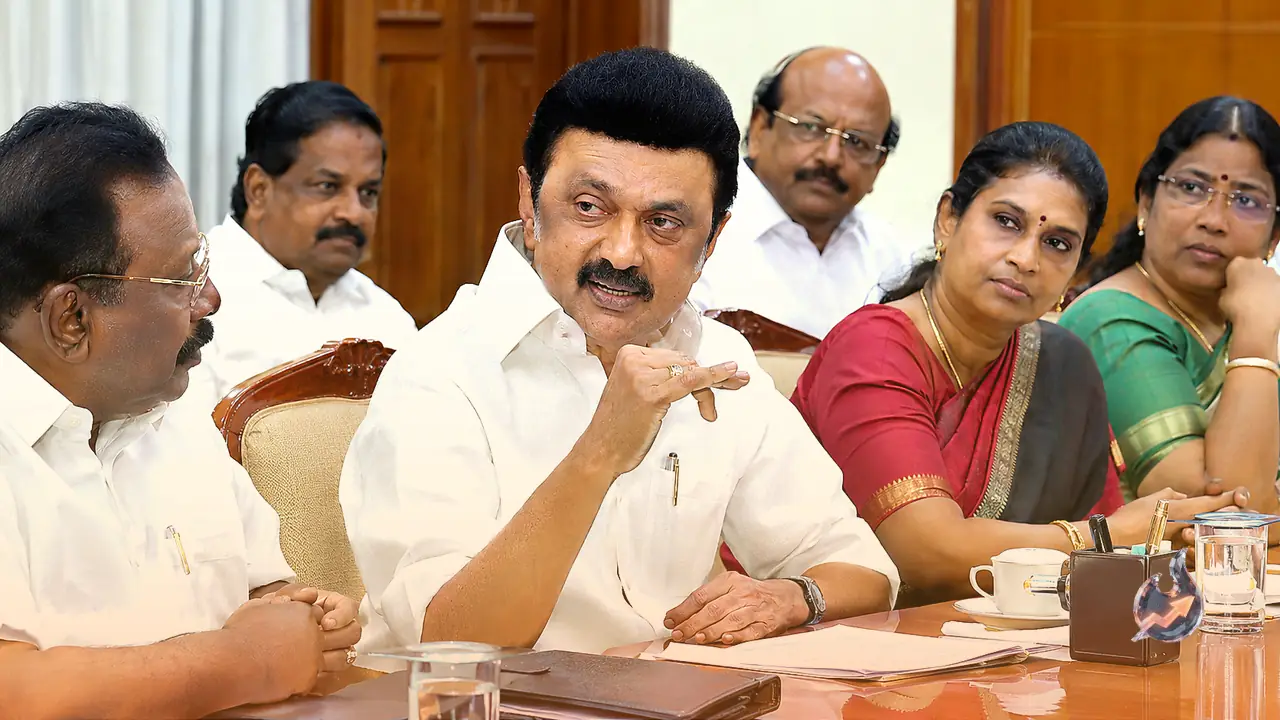
To address these concerns, the revised bill scheduled for introduction incorporates a uniform 50 percent increase in existing seat counts across all states. This revised distribution and constituency boundary framework will remain fixed until the year 2051. Under this mechanism, Tamil Nadu's proportional share in the Lok Sabha will remain largely intact. Following this adjustment, a meeting of DMK parliamentarians chaired by MK Stalin in Chennai passed a resolution to support the center's modified bills, a commitment later reaffirmed by DMK MPs during a meeting with Home Minister Amit Shah.
Fraying Unity Within the Opposition Coalition
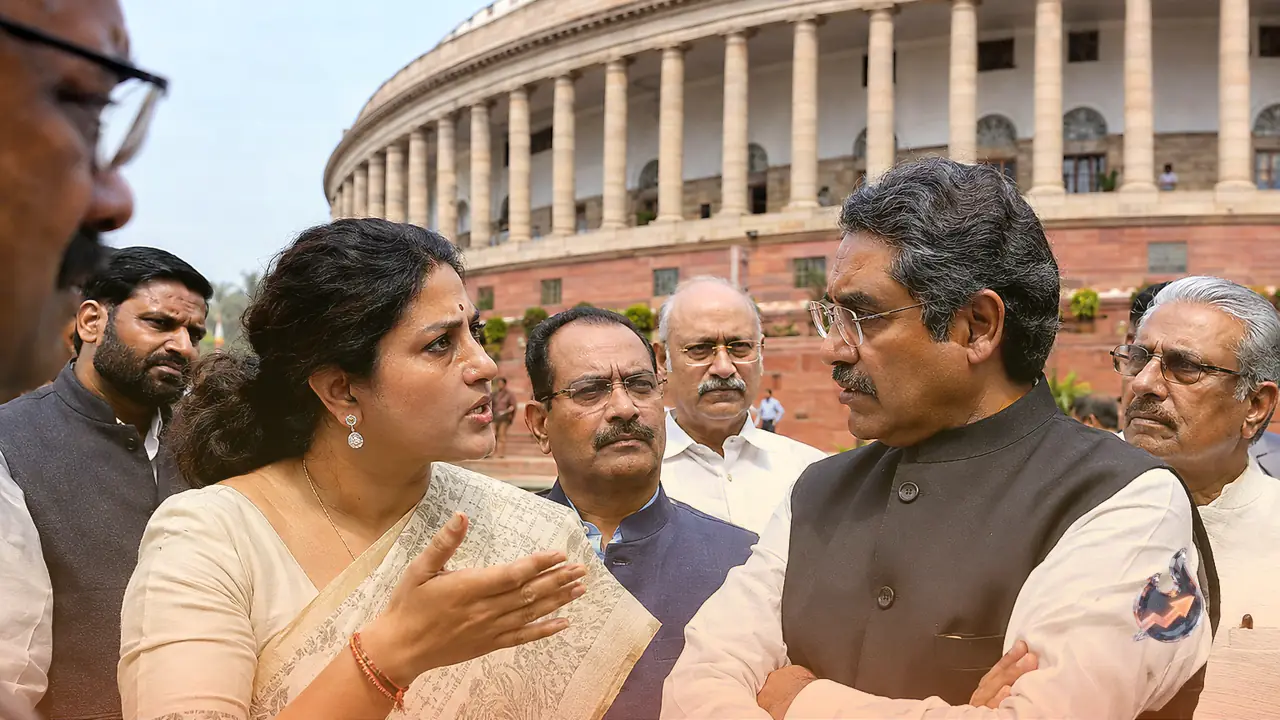
The cohesive front previously displayed by the opposition has shown clear signs of strain. At a meeting convened on Saturday at Congress President Mallikarjun Kharge's residence, representatives from only 11 political parties were present. The DMK was notably absent. Additionally, Nationalist Congress Party (NCP-SP) Working President Supriya Sule did not attend, citing the health condition of party founder Sharad Pawar. The Aam Aadmi Party (AAP) and Biju Janata Dal (BJD) also stayed away, though neither is formally part of the opposition block.
Relations between the Congress and DMK deteriorated following the Tamil Nadu assembly election outcome. On May 6, two days after the election defeat, the Congress parted ways with the DMK and extended support to C. Joseph Vijay's party, Tamilaga Vettri Kazhagam (TVK), declaring a future electoral alliance. Prompted by this move, the DMK exited the I.N.D.I.A. coalition, withdrawing its 22 Lok Sabha members from the group.
Realigned Parliamentary Strength and NDA's Advantage
Beyond the DMK's exit, structural shifts within other opposition parties have altered the numbers in Parliament. In June, 20 Lok Sabha MPs from the Trinamool Congress (TMC) broke away to merge with the Nationalist Citizens Party of India, an NDA constituent. Simultaneously, six out of nine Lok Sabha MPs belonging to Uddhav Thackeray's Shiv Sena (UBT) shifted allegiance to Eknath Shinde's faction by late June, a transition formally recognized by the Lok Sabha Secretariat in July that left Shiv Sena (UBT) with just three MPs.
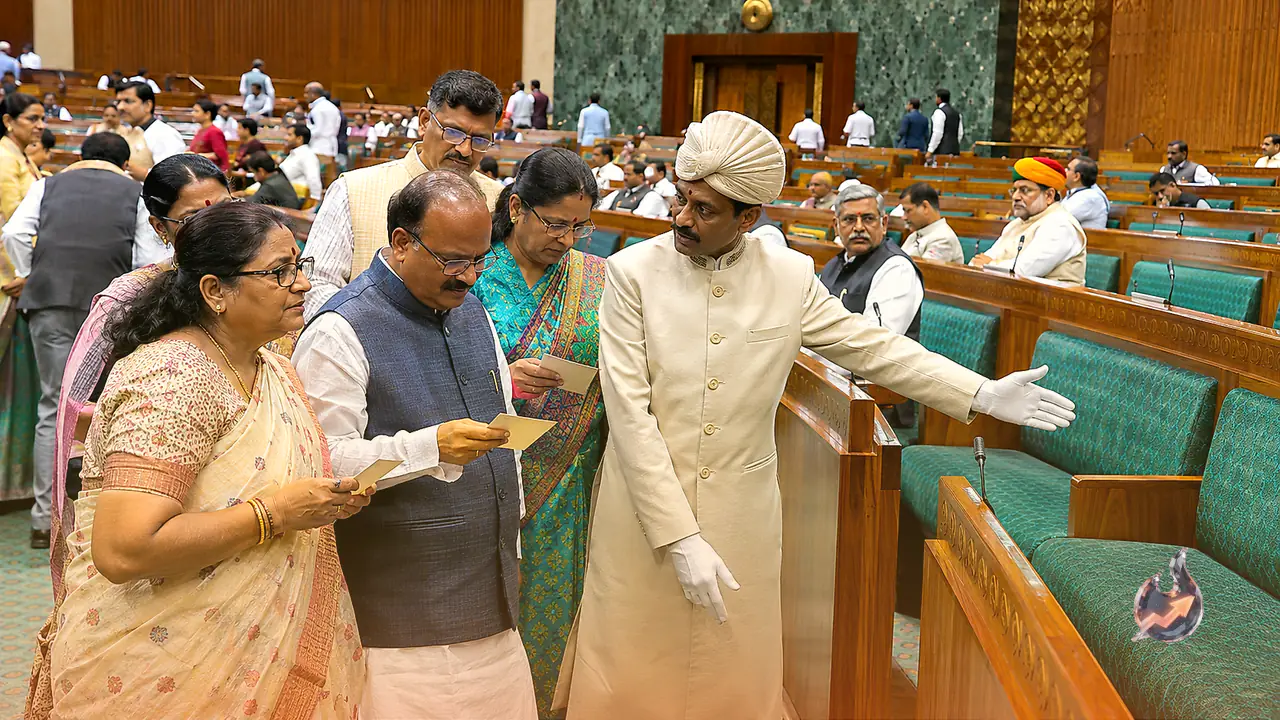
With these realignments, potential support for the central government on the bill includes 22 MPs from DMK, 20 breakaway TMC MPs, 8 MPs from NCP-SP, 4 MPs from YSR Congress Party, and 1 MP from Shiromani Akali Dal. Taking these into account, the government could assemble up to 353 votes. Assuming 538 members participate in voting, excluding the Speaker and suspended TMC MP Kalyan Banerjee, the threshold for a two-thirds majority stands at 359 votes, leaving the NDA just six votes short of the required mark.
Implications for Upcoming State Assembly Elections
The shifting political landscape comes at a crucial moment as political parties prepare for state assembly elections early next year in Uttar Pradesh, Punjab, Uttarakhand, Goa, and Manipur. The impact will be particularly notable in Uttar Pradesh, where the Samajwadi Party and Congress collectively won 43 out of 80 seats in the 2024 Lok Sabha elections. As both parties continue negotiations over seat distribution across the state's 403 assembly constituencies, national-level alliance changes are expected to influence regional coalition strategies.