

















The political landscape in Mumbai has witnessed a fresh surge of verbal sparring following recent remarks by Shiv Sena spokesperson Shaina NC. Addressing the media, she targeted opposition leaders and offered sharp criticism regarding the legal status of activists Sourabh Das and Ashutosh Ranka. According to her perspective, the relief granted by the judiciary to these individuals should not be mistaken for any kind of political or legal victory, but rather viewed strictly as a set of binding court conditions.
Legal Conditions and Bail Realities
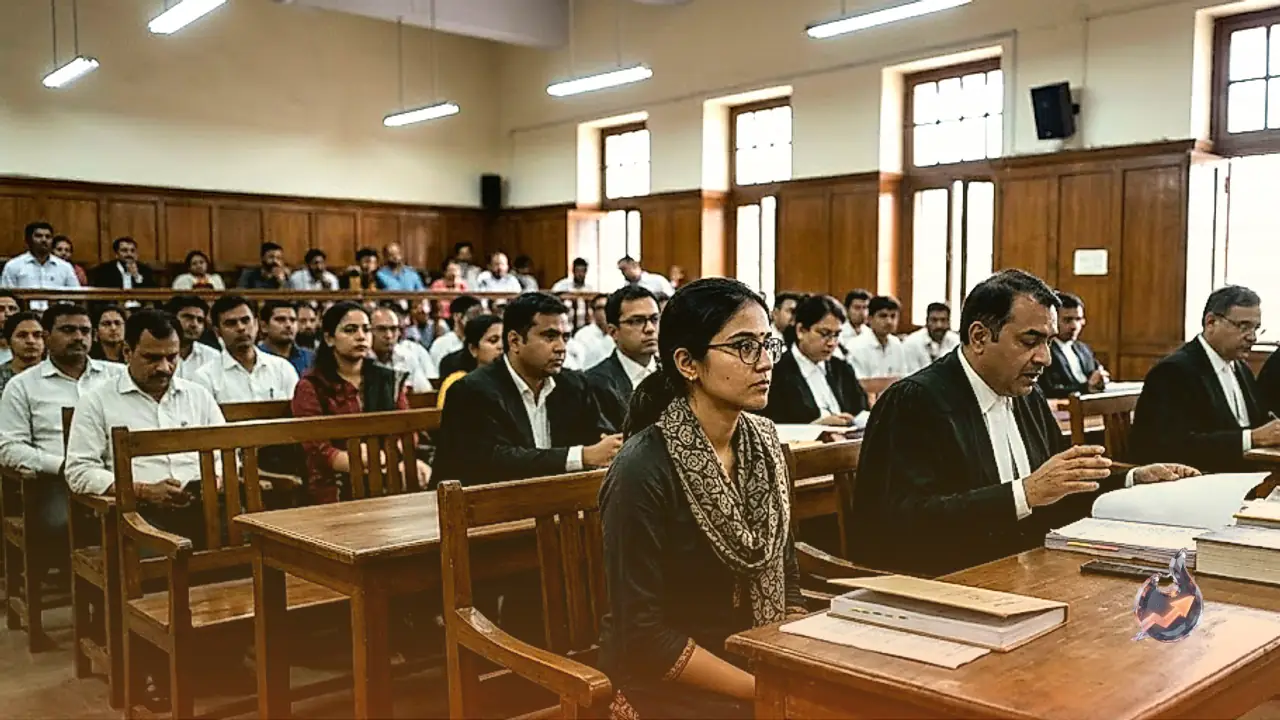
Elaborating on the legal proceedings involving Sourabh Das and Ashutosh Ranka, Shaina NC emphasized that the law remains completely impartial and equal for every citizen in the country. The court has explicitly instructed both individuals to maintain absolute peace for a continuous period of one year. She pointed out that this marks the second occasion when these individuals have breached the specified bond conditions. Describing their actions, she asserted that they cannot be classified as genuine protesters, but rather as habitual lawbreakers. Explaining the mechanics of the bail process, she noted that depositing a sum of 50,000 rupees and providing an undertaking to maintain peace essentially reflects the judiciary's underlying apprehension that such elements possess the potential to create civil unrest.
Addressing Remarks on the RSS
Shifting her focus toward Leader of the Opposition in the Lok Sabha, Rahul Gandhi, the Shiv Sena leader launched a direct critique regarding his understanding of the Rashtriya Swayamsevak Sangh. She stated that he lacks even the most basic knowledge about the organization. Highlighting the historical background, she mentioned that the women's wing of the RSS, known as the 'Rashtra Sevika Samiti', was established way back in 1936 and has been functioning continuously for the past 87 years. Over this extensive period, the wing has successfully connected 10 lakh women and currently operates 4,000 active branches across various regions. She questioned the credibility of a political party that failed to elect a single female president throughout its 130-year history when attempting to criticize such a deeply rooted organization.
Questions on Political Transitions
Continuing her critique of the opposition leadership, she remarked that women associated with the RSS stand firmly committed to the nation. In contrast, she raised doubts about whether women within Rahul Gandhi's own political party maintain similar solidarity, suggesting that he should examine internal party dynamics first. Referencing his electoral journey, she pointed out his transition from leaving the traditional stronghold of अमेठी to contesting from Wayanad, and subsequently moving on to Raebareli. Such electoral shifts form the basis of frequent political debates regarding consistency and grassroots connection.
Refuting Opposition Narratives
Addressing the broader political strategy of the opposition, including the Congress party, she condemned the recurring allegations regarding electoral malpractices and vote theft. She argued that these complaints originate from political entities that failed to secure adequate electoral mandates from the public. Taking Maharashtra as a prime example, she noted that opposition figures continuously level accusations without substantive proof. Directing a query toward Congress President Mallikarjun Kharge, she asked about the underlying agenda behind convening meetings of the INDIA bloc only to subsequently launch aggressive attacks on constitutional bodies, the Election Commission, and the Prime Minister.
Warning Against Negative Propaganda
Concluding her remarks, she suggested that these persistent attacks indicate a lack of positive vision, constructive agenda, or concrete blueprint for the country's development on the part of the opposition. Instead of constructive debate, she claimed they are intentionally fostering a sense of panic among the public by drawing alarming parallels with developments in neighboring countries like Bangladesh or Nepal. Dismissing these comparisons as entirely baseless, she urged political leaders to refrain from propagating misleading narratives that serve to undermine public confidence.