




















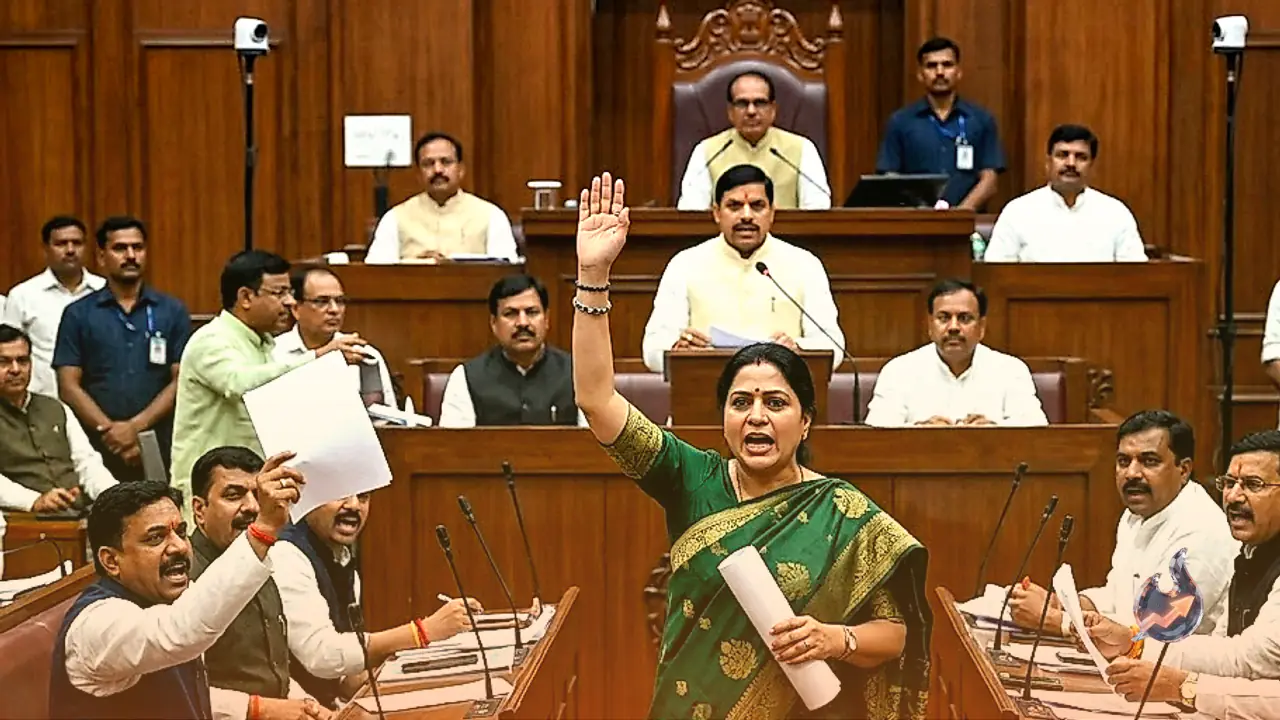

The Mohan Yadav government in Madhya Pradesh has introduced its much-anticipated Uniform Civil Code bill in the state assembly. The legislative move, which sparked immediate protests from the opposition, proposes sweeping changes to personal laws governing marriage, divorce, and inheritance across all communities. Despite loud objections and claims that the document was sneaked in through a supplementary list, the assembly speaker has officially taken the draft on record. The proposed law introduces several major shifts in how civil rights will be administered in the state.
Live-In Relationships Face Strict Oversight
The proposed legislation places a strong emphasis on regulating live-in relationships. Couples choosing to cohabit must formally declare their relationship to a registrar within one month of moving in together. To be eligible, both partners must be at least 18 years old and neither can be legally married to someone else. The state has outlined strict penalties for non-compliance. Failing to register a live-in arrangement that lasts longer than a month could result in up to three months of imprisonment or a fine of up to ₹10,000. Submitting false information carries a penalty of up to three months in jail or a ₹25,000 fine, while ignoring an official notice to provide details can lead to six months behind bars or a ₹25,000 fine.
Furthermore, the bill criminalizes the act of entering a live-in relationship while already married, carrying a severe punishment of up to five years in prison. The draft also includes provisions for women in live-in relationships, stating that if a male partner abandons the relationship, he may be legally obligated to provide financial maintenance.
Tribal Communities Excluded
While the bill aims to unify personal laws, it explicitly exempts specific groups. Scheduled Tribes (ST), protected traditional communities, and nomadic or semi-nomadic tribes will remain completely outside the purview of the Uniform Civil Code, allowing them to continue following their own customary practices.
New Rules For Marriage And Divorce
The legislation mandates absolute monogamy for all communities, rendering polygamy illegal and stating that only one marriage can be legally valid at any given time. The legal marriageable age is set firmly at 21 years for men and 18 years for women.
Divorce procedures will also see significant standardization. Oral divorces and decrees issued by informal panchayats will lose all legal standing. Going forward, marriages can only be dissolved based on specific grounds established within the legal framework. Additionally, the practice of Nikah Halala will be treated as a criminal offense. The bill stipulates that organizing or encouraging Nikah Halala for the purpose of remarrying a former spouse will be punishable by law. Furthermore, the official registration of all marriages and divorces will become mandatory across the state.
Equal Rights For Children And Heirs
The concept of an "illegitimate child" will be entirely removed under the new code. The draft guarantees equal legal rights and status to all children, irrespective of whether they were born within a marriage, a live-in relationship, through adoption, surrogacy, or Assisted Reproductive Technology (ART).
In matters of inheritance, sons and daughters will possess identical rights to ancestral property, regardless of their marital status. The legislation also elevates both the mother and the father to the status of first-class heirs. However, the bill introduces a morality clause regarding inheritance: individuals convicted of serious crimes such as murder will be permanently stripped of their inheritance rights. In cases where a deceased person leaves behind no legal heirs, their entire property will automatically transfer to the state government.
Opposition Outrage And Next Steps
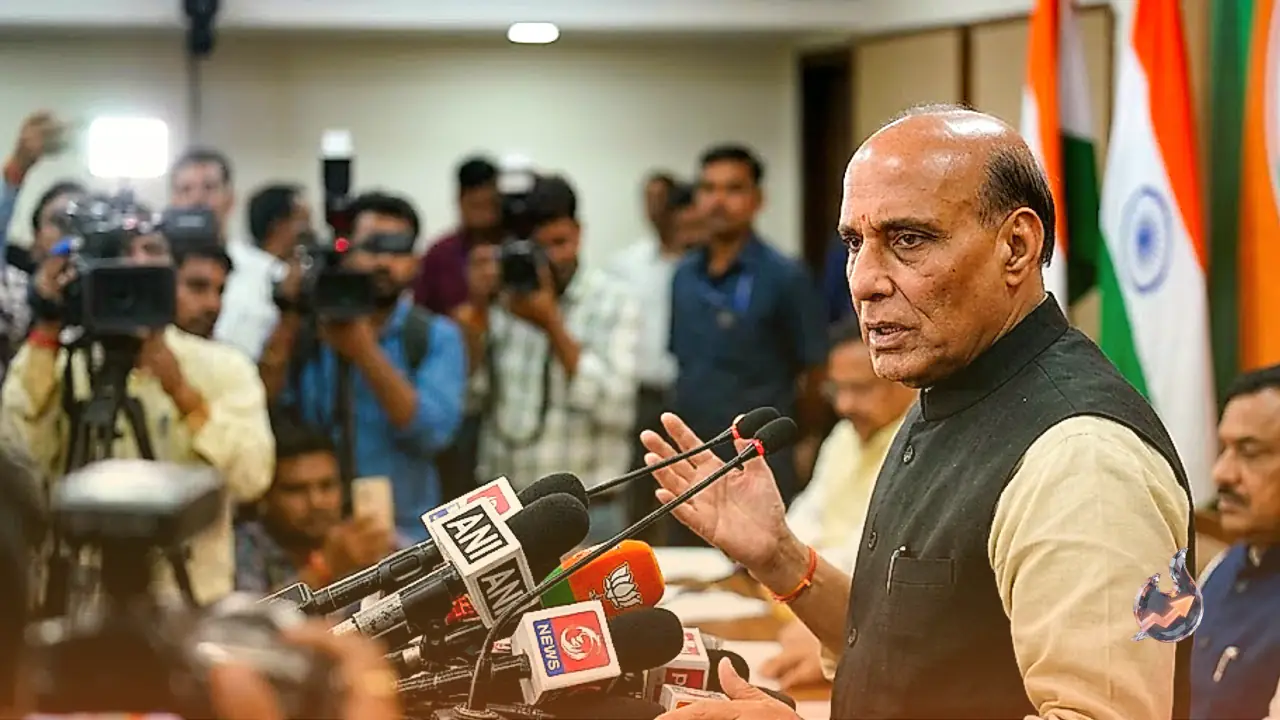
The introduction of the bill triggered intense political drama inside the house. Congress leaders accused the ruling party of bypassing proper democratic procedures. Voicing his anger, Congress MLA Arif Masood remarked that thieves presented this bill secretly like thieves.
In a visible display of dissent, Congress MLA Atif Aqueel from Bhopal Madhya arrived at the assembly wearing entirely black clothing, further heating up the political discourse. The assembly environment is expected to remain highly volatile in the coming days as lawmakers prepare for a thorough debate on the controversial provisions.