




















Following the opposition's heightened momentum after demanding the resignation of Union Education Minister Dharmendra Pradhan and witnessing recent by-election outcomes, political dynamics in New Delhi have taken a decisive turn. The Union government led by Prime Minister Narendra Modi is finalizing a robust legislative roadmap featuring two landmark measures: the Delimitation Bill and comprehensive amendments to the Foreign Contribution (Regulation) Act (FCRA). The Prime Minister has effectively signaled his long-term legislative priorities, triggering intense political maneuvering across both ruling and opposition camps.
Parliamentary Disruption and Legislative Strategy
While opposition parties express growing anxiety over the structural implications of the proposed Delimitation Bill, the contemplated amendments to the FCRA framework have sparked reactions extending as far as Washington. Legislative efforts around delimitation have historically faced complex numerical constraints in Parliament. However, the government appears fully prepared this time to navigate the parliamentary numbers game. The leadership of Prime Minister Narendra Modi and Home Minister Amit Shah has drawn up a calculated strategy to ensure the requisite voting strength for these constitutional and regulatory reforms.
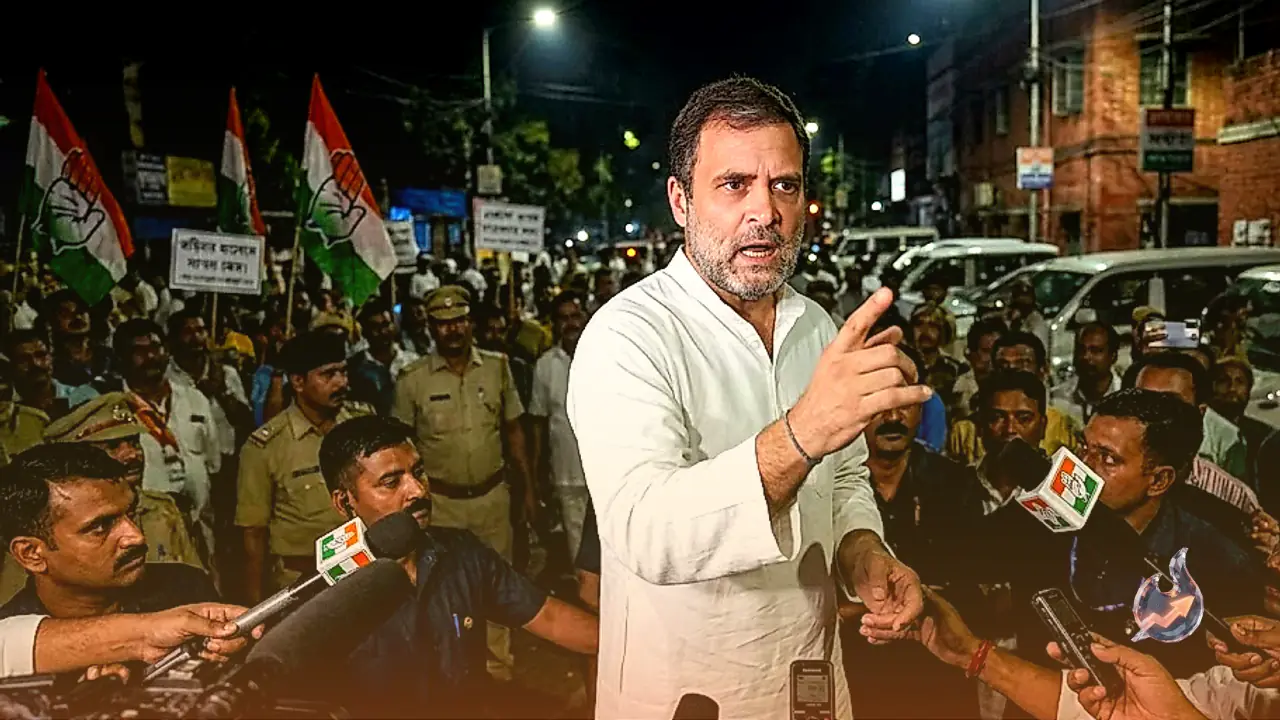
Simultaneously, the Lok Sabha continues to face persistent disruptions. Opposition members have been organizing daily demonstrations within the Parliament complex, raising slogans and displaying posters focused on recent statements by Home Minister Amit Shah as well as allegations concerning the theft of offerings at the Ram Temple in Ayodhya. Despite the standstill in the Lower House, the Rajya Sabha managed to process key business, successfully passing a bill to increase the sanctioned strength of judges in the Supreme Court. High-profile opposition figures, including Leader of Opposition Rahul Gandhi and Priyanka Vadra, actively participated in protest marches held outside the chambers.
Kiren Rijiju Holds Strategic Talks with Rahul Gandhi
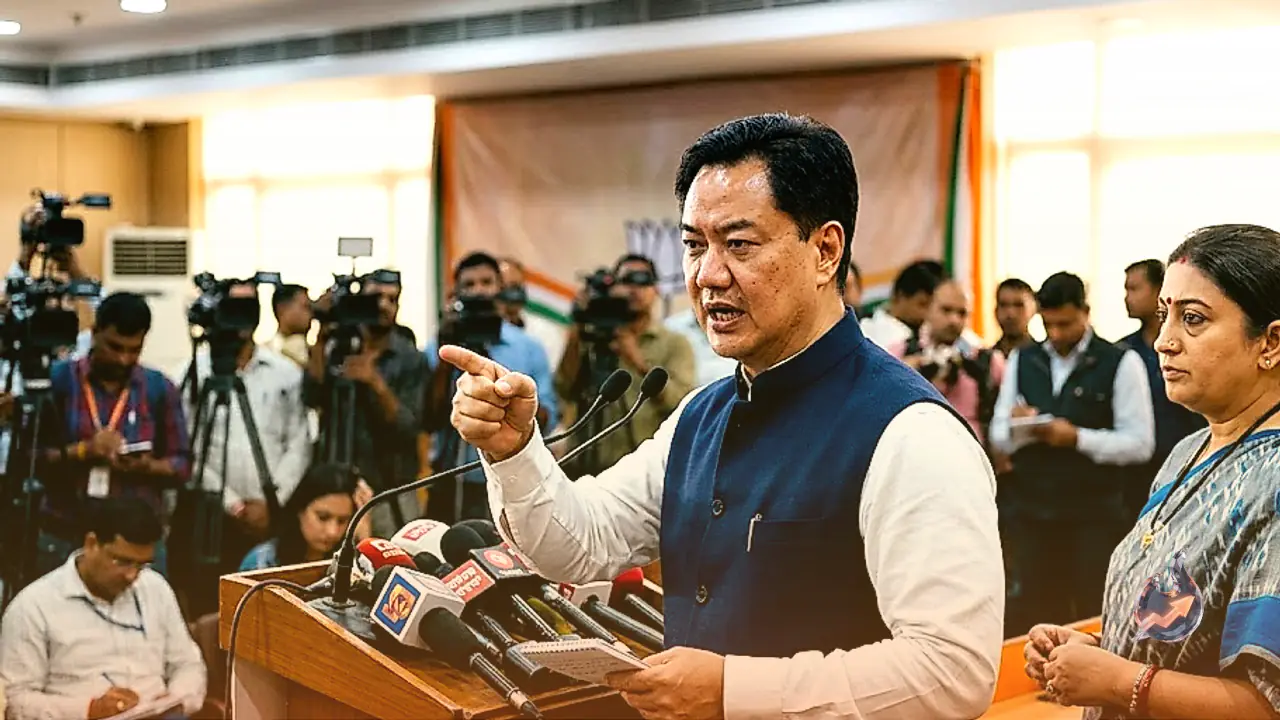
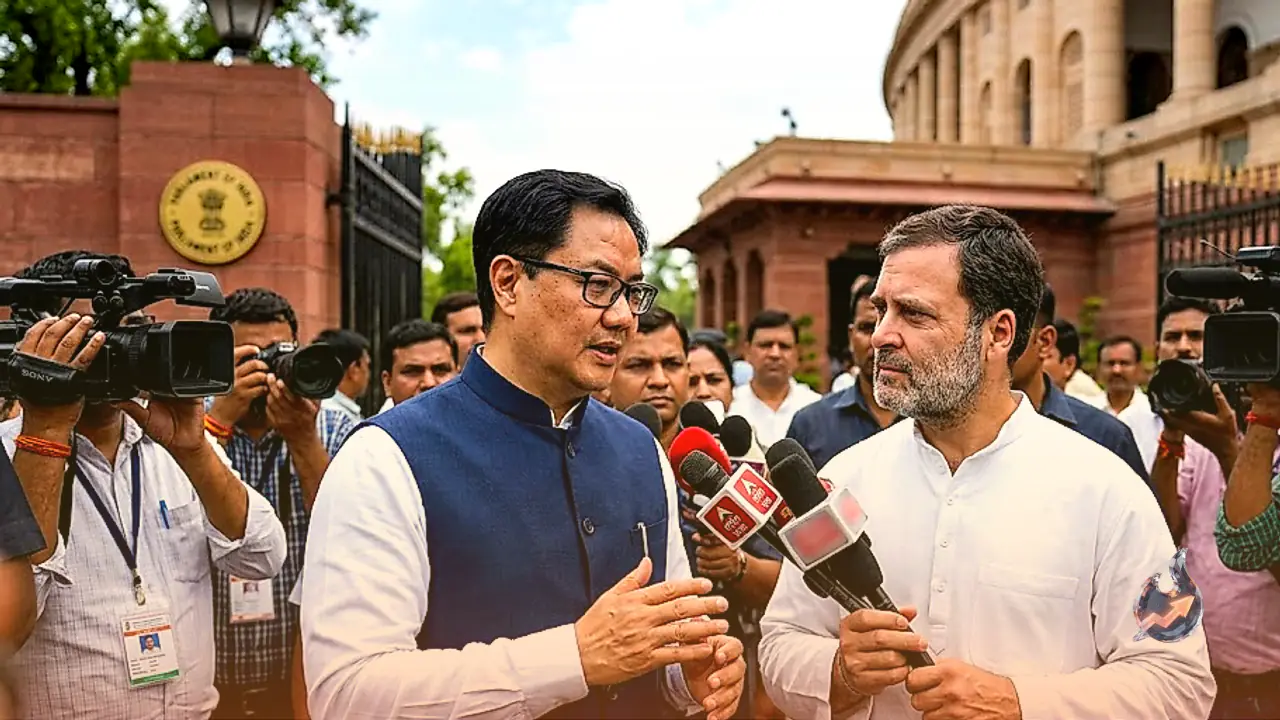
To break the ongoing parliamentary impasse and facilitate discussion on its legislative agenda, the government initiated direct outreach to the opposition leadership. Parliamentary Affairs Minister Kiren Rijiju visited the office of Leader of Opposition Rahul Gandhi within the Parliament complex. Congress leader Priyanka Vadra was also present during the discussion.
Sources indicate that the meeting centered primarily on the proposed Delimitation Bill. During the interaction, Rahul Gandhi reaffirmed that the opposition's position on delimitation remains unchanged, adding that if the government presents modified provisions or fresh adjustments, opposition parties would be willing to evaluate them. However, Rahul Gandhi insisted that the government must allow dedicated parliamentary debates on Home Minister Amit Shah's statements and the Ram Temple offering issue. Kiren Rijiju assured that he would convey these demands to the government's top leadership before reverting to the opposition.
Proposed Special Session and Two-Thirds Majority Target
The government's persistent focus on its legislative timeline has altered calculations for opposition strategists who anticipated a weakened Treasury bench. Official sources reveal that the government intends to reintroduce the Delimitation Bill alongside key components of the Women's Reservation framework. Passing these legislative measures will require securing a two-thirds constitutional majority in both Houses of Parliament.
To build the required consensus, the administration is actively reaching out across party lines. With the current monsoon session scheduled to conclude on August 13, the government has proposed convening a Special Session of Parliament between August 16 and August 18. Parliamentary Affairs Minister Kiren Rijiju formally presented this special session proposal to the Congress leadership. In response, Congress representatives stated that they would formulate their stance after detailed consultations within their party and among INDIA bloc allies.
Breakfast Strategy Session with 37 NDA Lawmakers
Underscoring its focus on parliamentary arithmetic, Prime Minister Narendra Modi hosted a breakfast meeting for a delegation of newly elected National Democratic Alliance (NDA) Members of Parliament. Approximately 37 MPs attended the interaction, including several lawmakers who recently switched allegiance to the NDA after departing from the Aam Aadmi Party (AAP) and the Trinamool Congress (TMC).
The high-level gathering was attended by BJP President Nitin Nabin alongside BJP National General Secretaries Tarun Chugh and Vinod Tawde. The meeting formed part of Prime Minister Modi's regular practice of engaging with distinct groups of parliamentarians during active legislative sessions.
Prime Minister's Core Directives to New Lawmakers
During the interaction, Prime Minister Narendra Modi offered explicit operational guidance to the attending NDA parliamentarians. Emphasizing the importance of public engagement, the Prime Minister instructed lawmakers to listen attentively and openly to youth grievances, noting that genuine solutions emerge only from deep listening. He also issued a stern warning regarding personal conduct and official integrity.
Prime Minister Modi advised MPs to remain vigilant regarding unsolicited hospitality and approaches from dubious individuals, warning them not to get entangled in unethical situations. He stressed that official letterheads must be strictly guarded against misuse or unauthorized hands. Furthermore, the Prime Minister emphasized maintaining continuous dialogue with voters in their respective constituencies. When responding to political criticism from opposition leaders, Prime Minister Modi counseled against aggressive confrontation, urging MPs instead to explain facts calmly and focus on winning the trust and goodwill of the public.
FCRA Amendments and International Ramifications
Alongside delimitation, the proposed overhaul of the Foreign Contribution (Regulation) Act (FCRA) has emerged as a central focal point. The proposed legislation seeks to impose significantly tighter regulatory oversight on foreign financial grants received by non-governmental organizations (NGOs) and civil society bodies operating in India.
The stricter compliance framework aims to enhance transparency surrounding funding sources, end-use verification, and institutional accountability. The measure has generated considerable concern among international observers and policy circles in the United States, where several donor organizations monitor regulatory developments in India. While the government maintains that stricter FCRA norms are essential for national security and financial transparency, opposition leaders argue that the changes could constrain the operational independence of non-profit organizations.