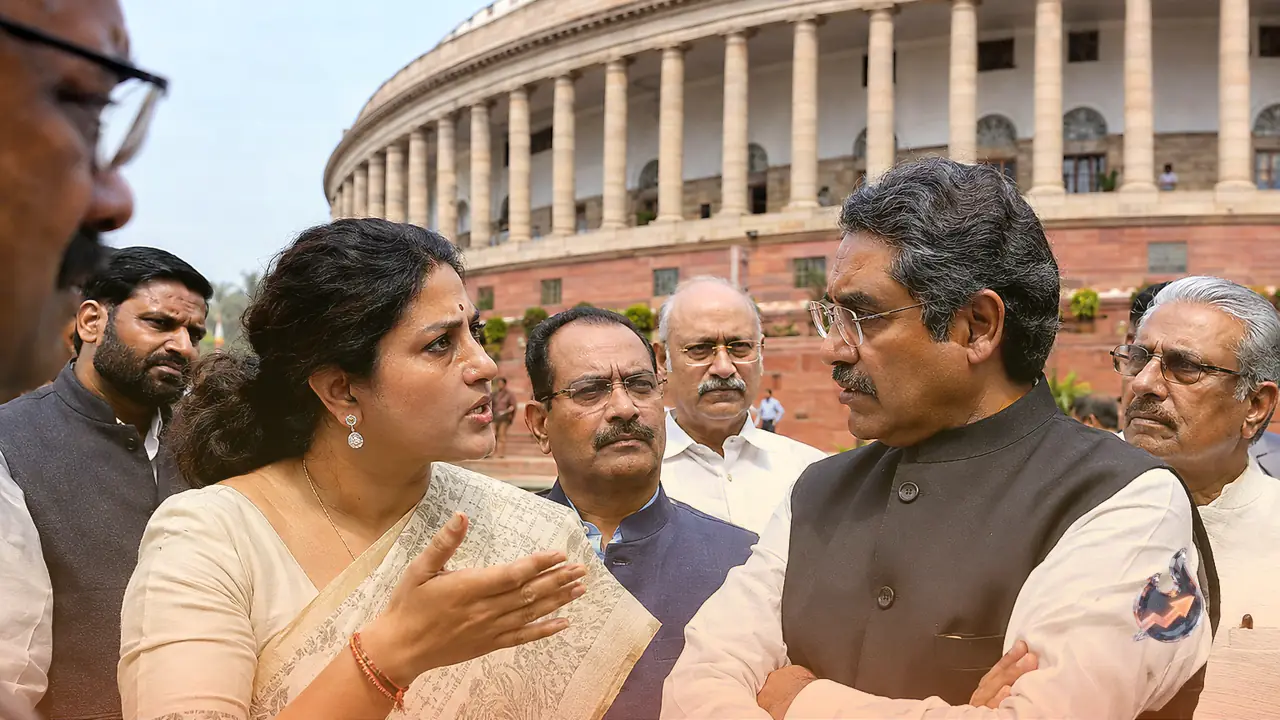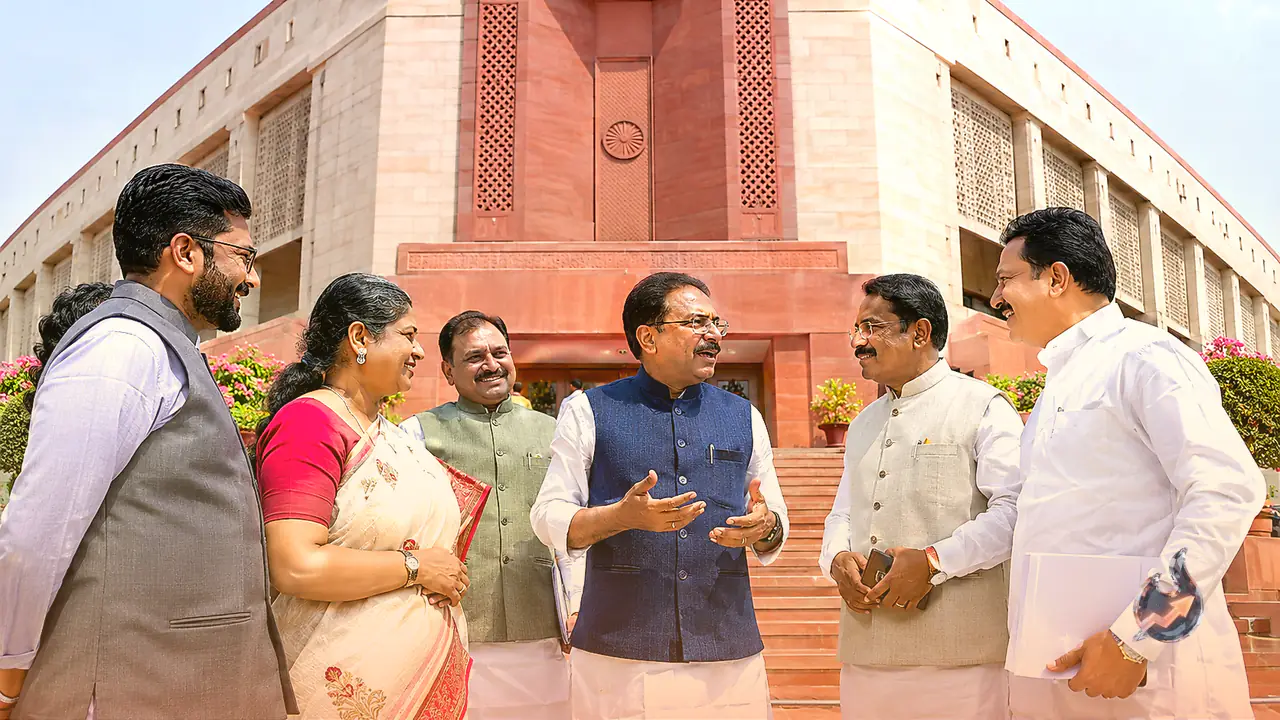

In a major political shift in New Delhi, the Modi government has achieved a massive breakthrough on the contentious delimitation bill, securing crucial support from key opposition and regional parties including the DMK, YSRCP, and NCP (SP). Over the weekend, senior leaders from the DMK and YSRCP met with Union Home Minister Amit Shah and formally pledged their backing for the legislation. With these crucial additions, the ruling coalition has successfully crossed the numbers required to comfortably pass the bill in the Lok Sabha. During the previous attempt earlier this year, the administration faced a setback in Parliament, but meticulous planning and aggressive outreach have ensured that every single MP's vote has been accounted for to prevent any shortfall in the numbers game.
Preparation for the Special Parliamentary Session
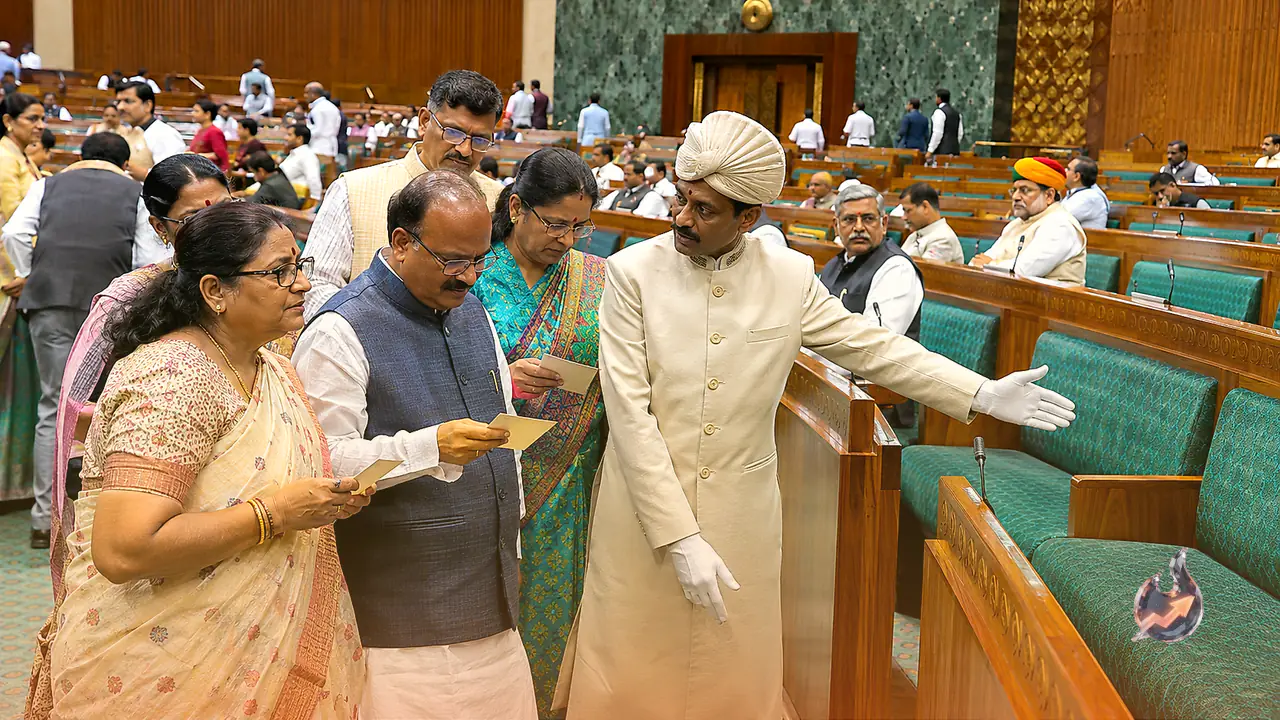
The central government is gearing up to officially table the delimitation bill during the upcoming special session of Parliament scheduled for November 30. This landmark legislation aims to recalibrate and increase the number of Lok Sabha and assembly seats across the entire country. Back in April, the administration had to face defeat on the floor of the house regarding this very issue, prompting a complete overhaul of their legislative strategy. The biggest hurdle for the ruling alliance was perceived to be the southern states, a political fortress that Prime Minister Narendra Modi and Home Minister Amit Shah have now successfully breached by bringing regional heavyweights to the negotiating table.
DMK Extends Support Following Kanimozhi's Announcement
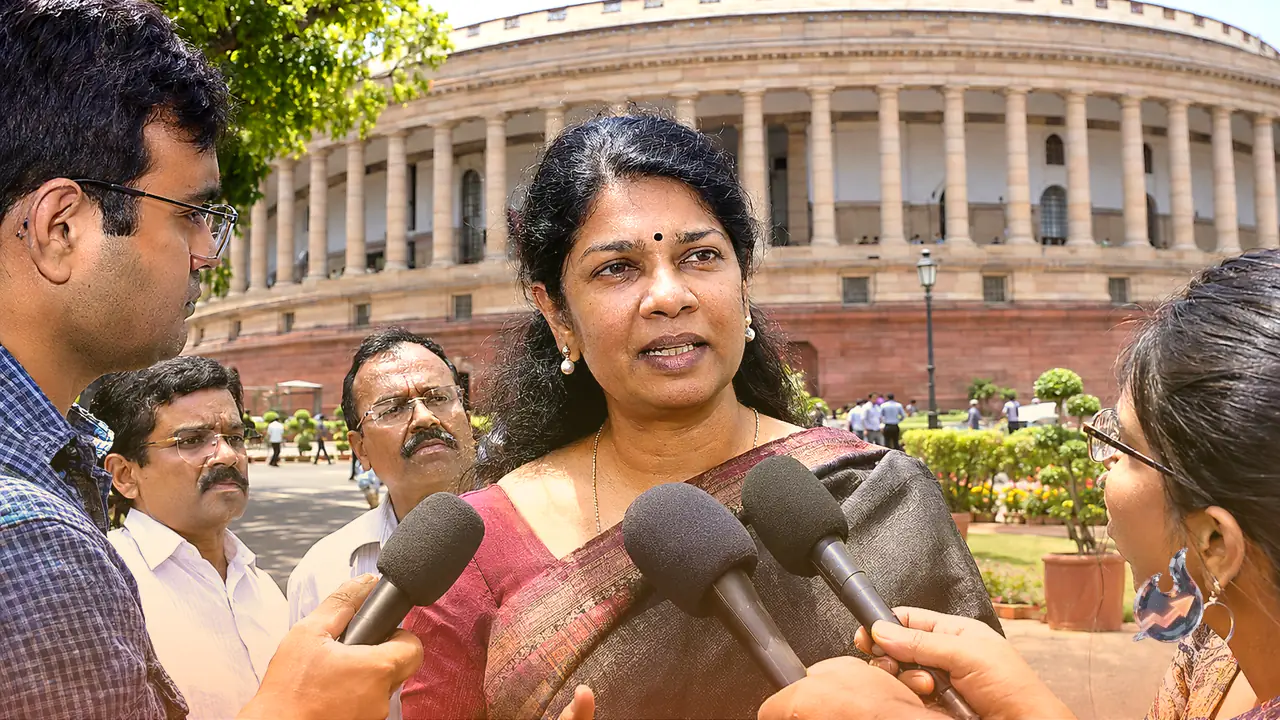
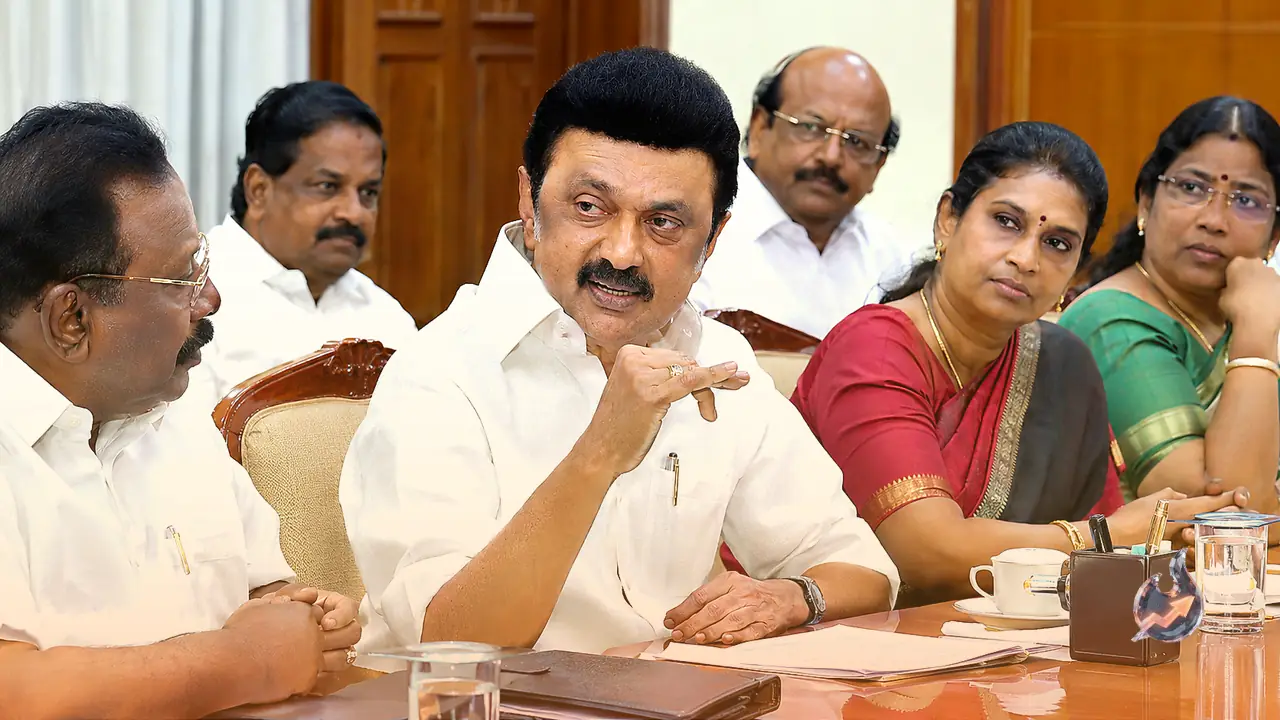
In what is being seen as a major geopolitical coup, the DMK, one of the most prominent political forces in southern India, has agreed to back the central government. A total of 22 DMK members of parliament are set to vote in favor of the delimitation bill. Following a high-level meeting with Home Minister Amit Shah, DMK MP Kanimozhi formally announced the party's decision to the media. Kanimozhi stated that party president M.K. Stalin had convened an internal meeting of all DMK MPs, where extensive deliberations led to the final consensus that the party would support the legislative push.
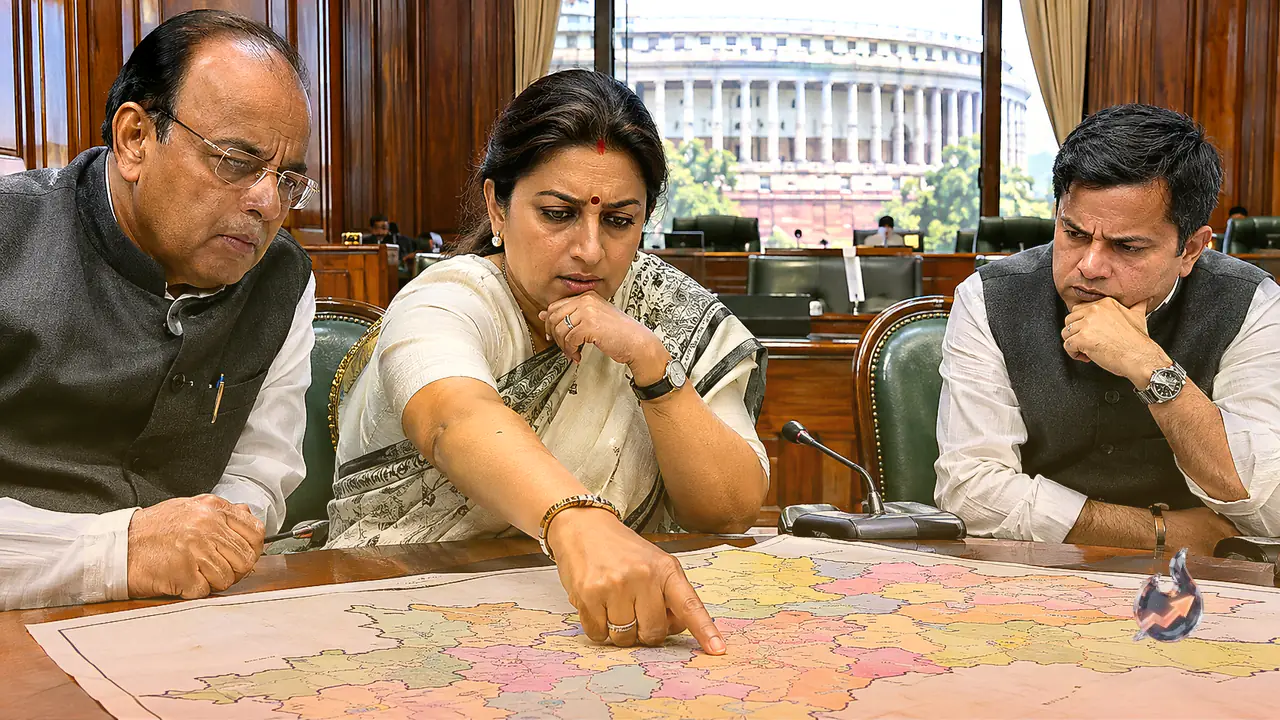
Kanimozhi elaborated that when the administration proposed increasing the total number of seats, the party's primary condition was that the delimitation exercise must be anchored to the 1971 census. The central leadership agreed to this term, along with a commitment to freeze the seat distribution formula for the next 25 years. As a direct result of this arrangement, the number of parliamentary seats representing Tamil Nadu will increase significantly from 39 to 59. This development confirms that the initial objections raised by the DMK back in April have been completely addressed through dialogue and mutual concession.
Key Highlights of the Delimitation and Women Reservation Framework
The sweeping legislative package brings forth several structural changes to the country's representative framework. While the redrawing of parliamentary boundaries will take the 2011 census into account, the actual seat allocation numbers will rely on the 1971 population data. Furthermore, one-third of all seats in both national and state legislatures will be constitutionally reserved for women. Once implemented, the total strength of the Lok Sabha will expand to 824 seats, out of which 272 will be exclusively allocated for women. Simultaneously, state legislative assemblies will see their collective strength rise to 6,185 seats, with 2,042 reserved specifically for female representatives.
NCP Sharad Pawar Faction and YSR Congress Join the Fold
Alongside the DMK, the NCP faction led by Sharad Pawar has also aligned with the ruling coalition, bringing an additional 8 Lok Sabha MPs into the government's column. Adding to this momentum, Andhra Pradesh's YSR Congress has officially announced its support for the legislation, contributing its 4 members of parliament. YV Subba Reddy, representing YSRCP, addressed the media after a detailed consultation called by Home Minister Amit Shah, noting that the party reiterated its constructive feedback during the deliberations.
Subba Reddy explained that the party raised specific observations regarding the proposed 50 percent increase in legislative seats. They argued that every state should see a uniform 50 percent expansion in its existing capacity. For instance, Andhra Pradesh currently holds 25 seats, which would scale up to roughly 37.5 or 38 seats under this proportional rise. Additionally, the party requested internal administrative balancing across distinct regional zones within the state, such as Rayalaseema and the northern and southern coastal districts. The central leadership has assured them that these geographic nuances will be carefully evaluated and addressed.
The Revised Numbers Game in the Lok Sabha
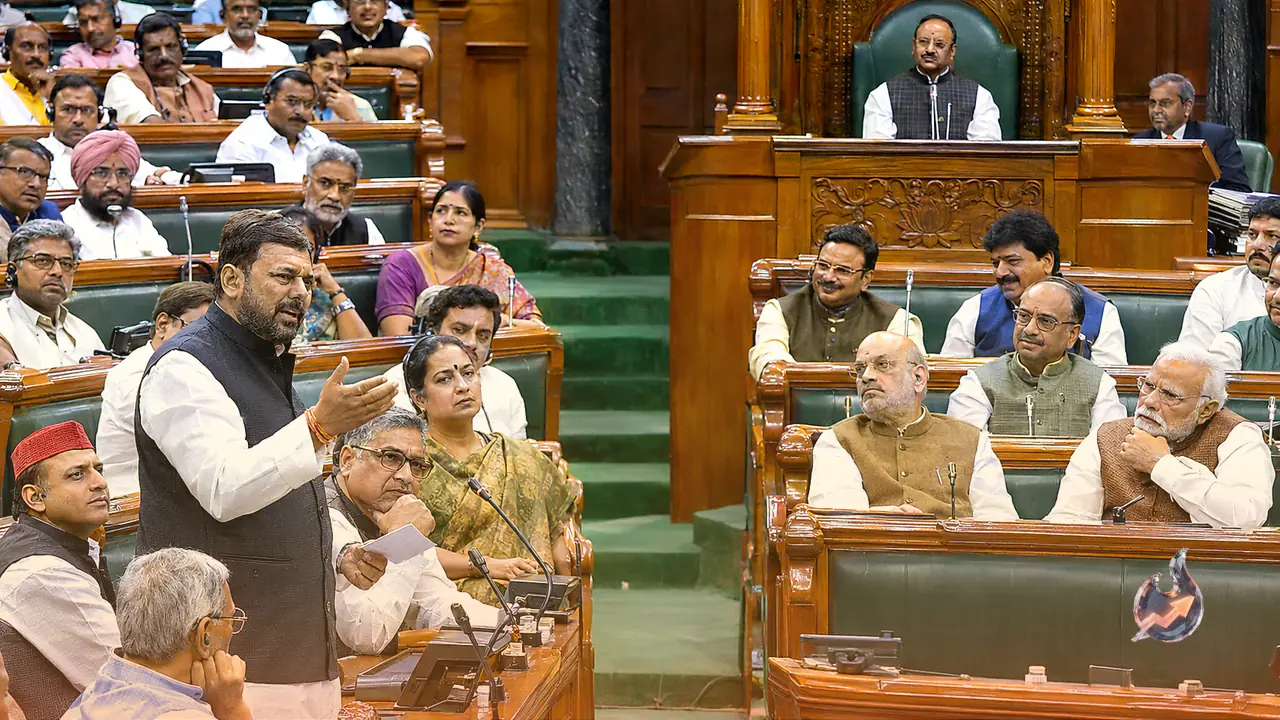
With critical southern allies now firmly on board, the arithmetic inside the lower house of Parliament tilts decisively in favor of the government, neutralizing potential opposition blocks well before any formal floor test. The Lok Sabha has an sanctioned strength of 543 seats, out of which 3 seats are currently vacant, one lawmaker is suspended, and two are incarcerated. This brings the effective working strength of the house to 537 active members, setting the mandatory two-thirds majority mark at 358 votes.
A detailed breakdown of the current floor strength shows the ruling NDA commanding 320 members, reinforced by the DMK's 22, NCP Sharad faction's 8, YSRCP's 4, and 7 other aligned members or independents. This brings the cumulative tally supporting the legislation to 361, safely crossing the magic number by a comfortable margin of three votes. Additionally, the BRS has announced its backing for the bill, though with zero presence in the Lok Sabha, its support will be registered through its 3 Rajya Sabha members.
Consolidated Ruling Coalition and Fractured Opposition
Securing a comfortable majority well ahead of the legislative schedule has brought immense relief to NDA partners, who now anticipate a smooth passage for both the delimitation and women's reservation measures. The successful outreach to southern regional parties has substantially boosted the morale of the ruling party, which views this reform as a historic step toward empowering women in governance bodies across the nation. Meanwhile, the political opposition appears increasingly fragmented, with individual constituents of the opposition alliance drifting away from central coordination.
An overview of the opposition landscape reveals a divided house, with the Congress party holding 98 members, Samajwadi Party with 37, TMC with 8, Left parties with 9, AAP with 3, and various smaller groupings bringing the total opposing tally to approximately 169 members, alongside a handful of suspended or detained representatives. With the numbers securely in place, the legislative agenda for the upcoming special session appears firmly under government control.