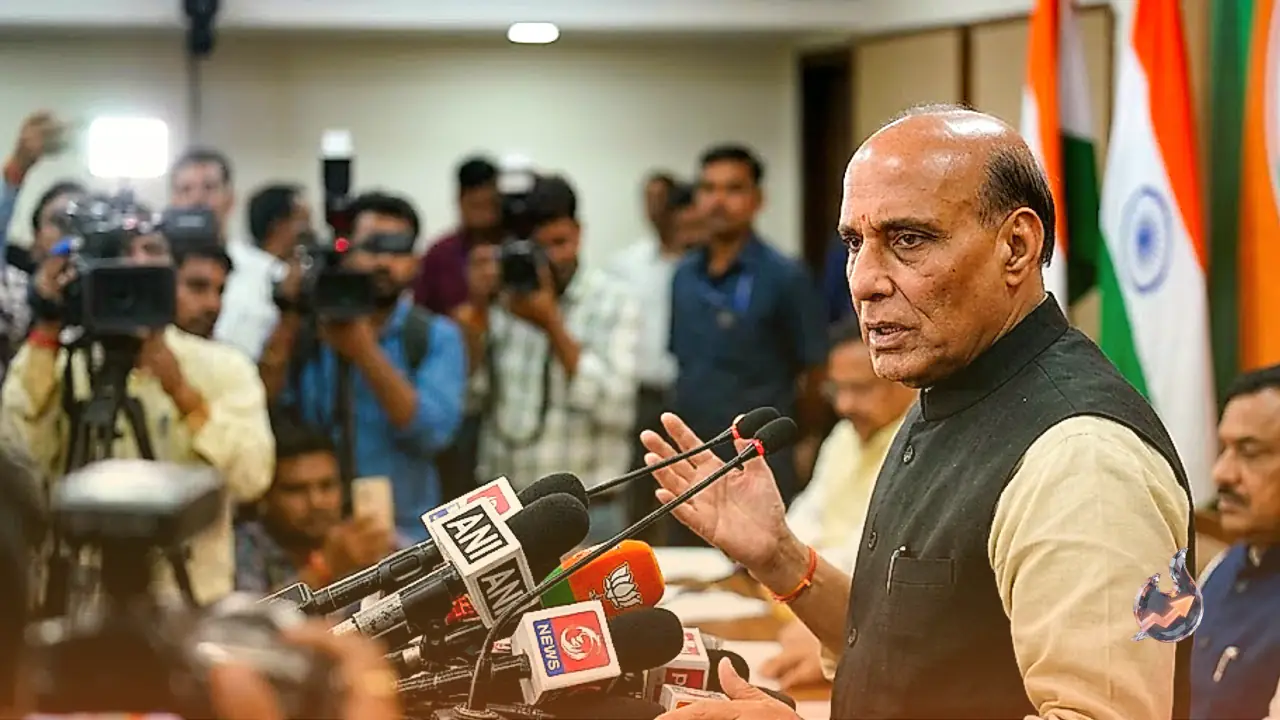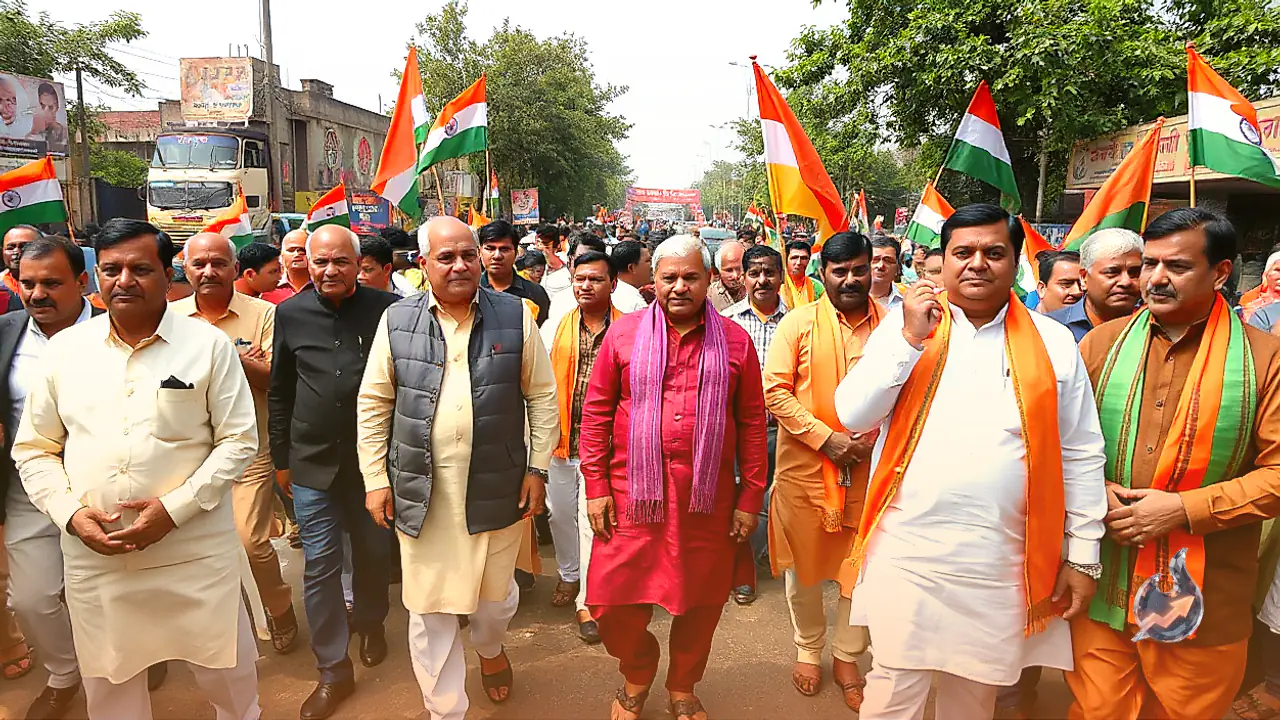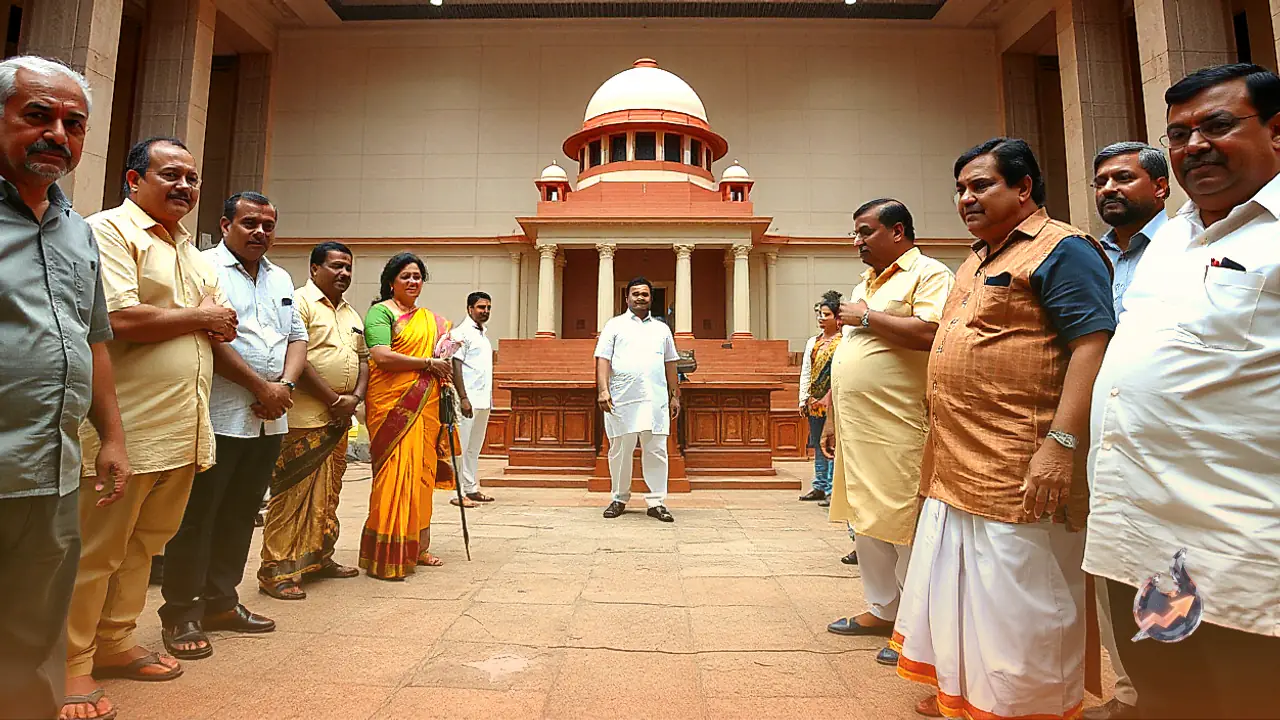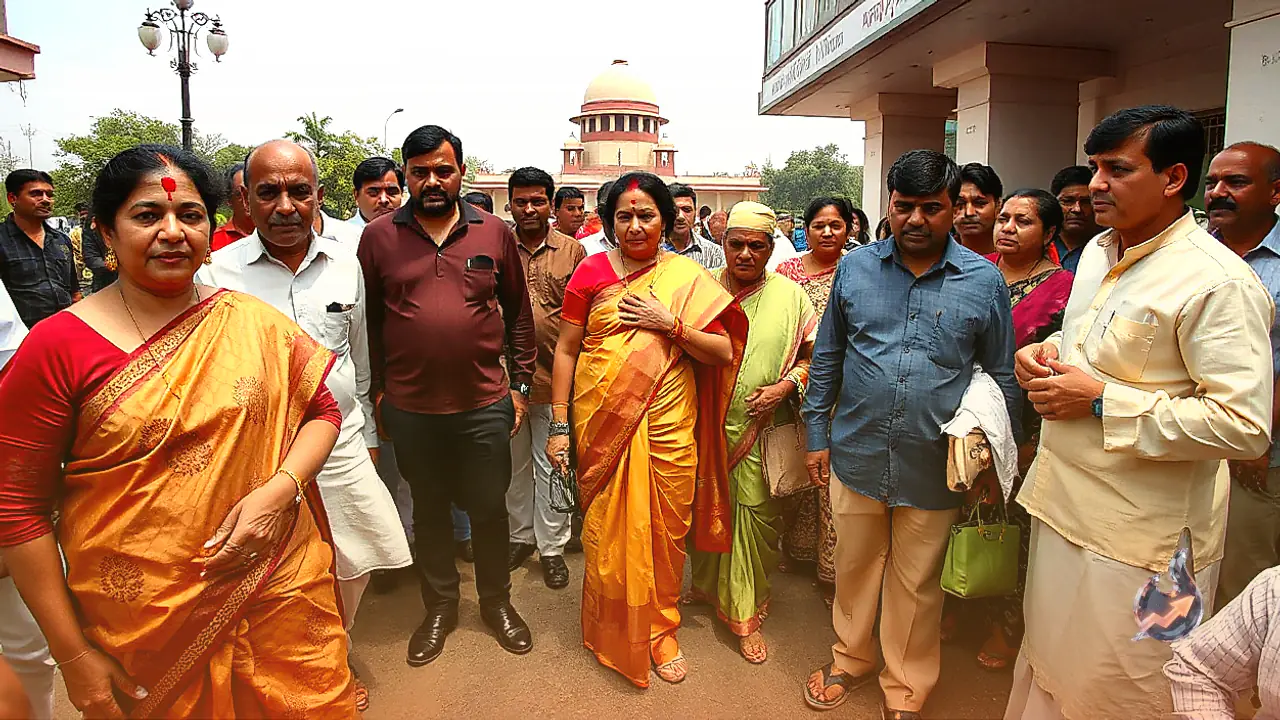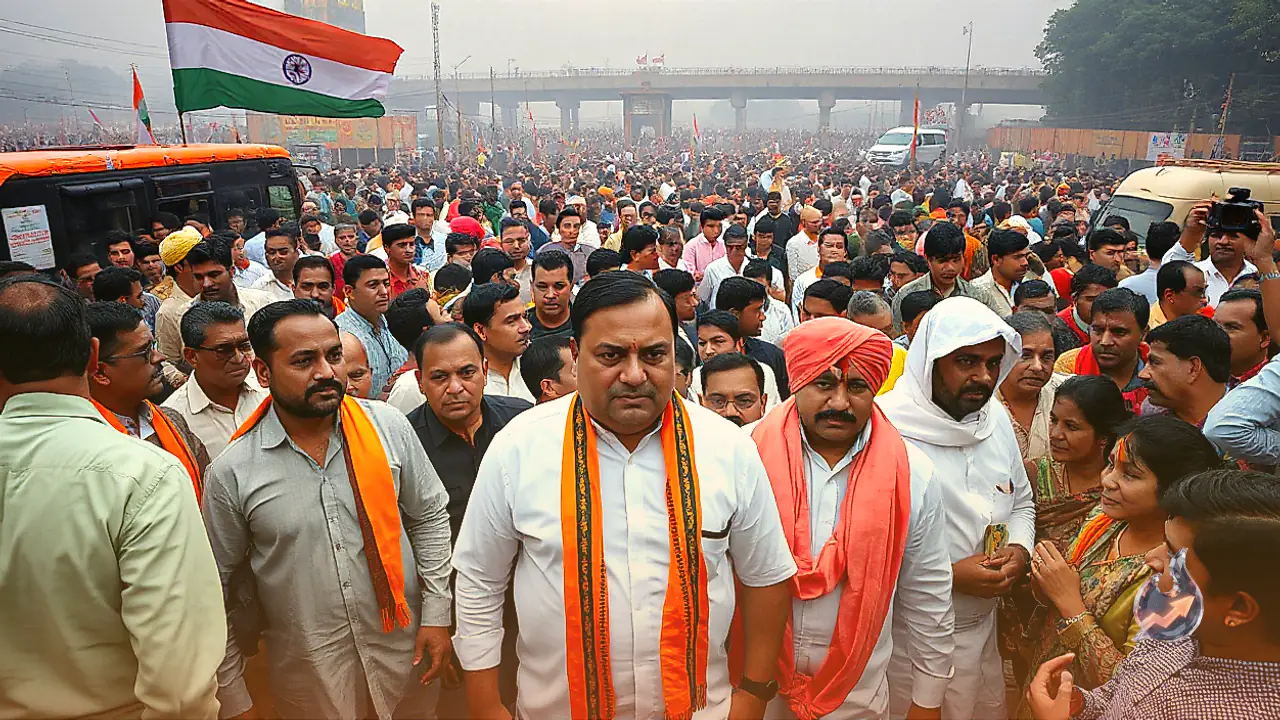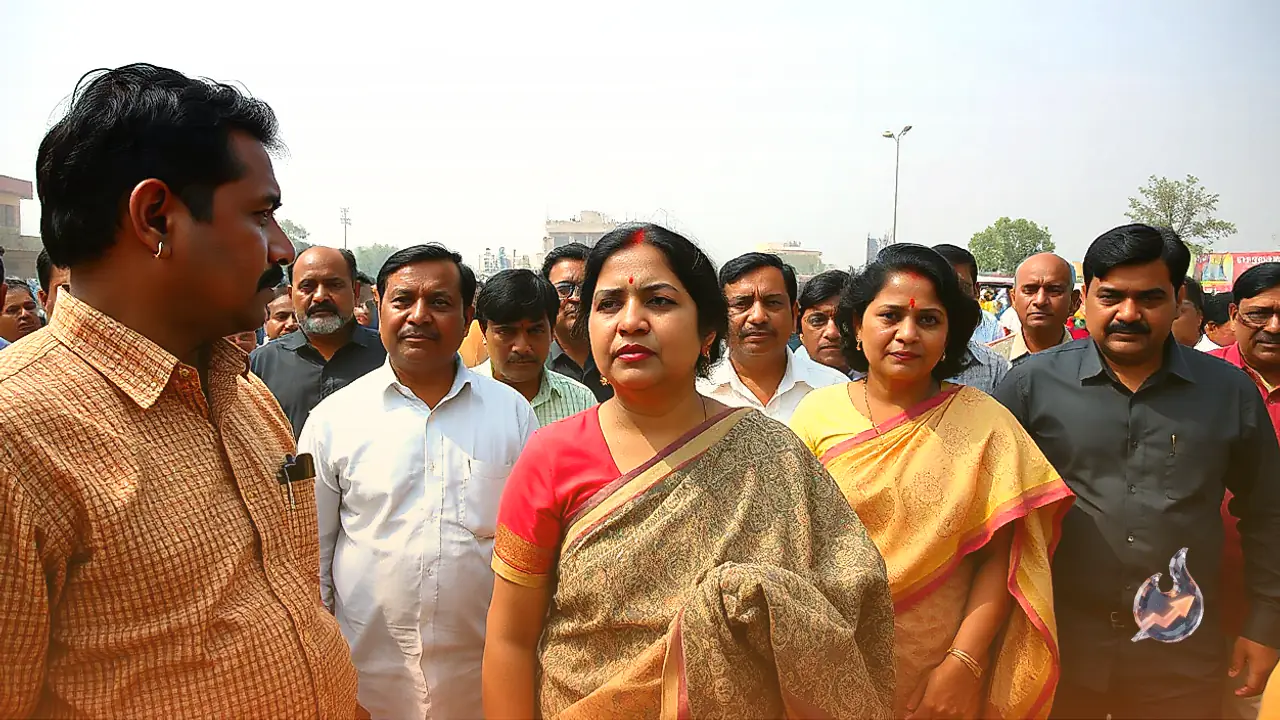
















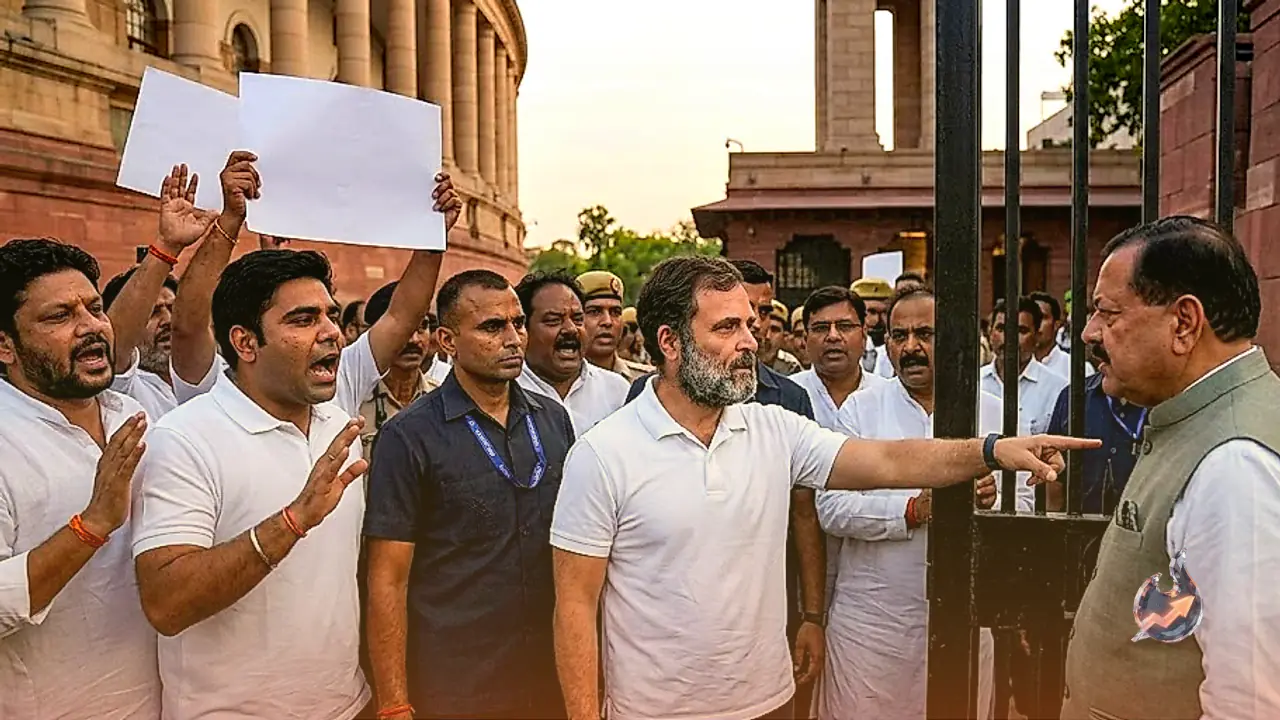

High-stakes street negotiations outside the Prime Minister's residence broke down after Congress leaders allegedly shifted their demands regarding the ongoing medical entrance exam controversy. The attempt to peacefully disperse the gathering hit a roadblock over unexpected political conditions.
Direct Administrative Intervention
The protest, located near the highly sensitive Akbar Road area in New Delhi, prompted an unusual direct intervention from the central administration. In an attempt to clear the heavily secured zone and restore normal public movement, Minister of State in the Prime Minister's Office Dr. Jitendra Singh arrived directly at the demonstration site. He was accompanied by Union Home Secretary Govind Mohan. The officials initiated urgent talks with top opposition figures present at the demonstration, engaging directly with Congress President Mallikarjun Kharge along with Rahul Gandhi and Priyanka Gandhi Vadra. The primary objective of the administration was to resolve the standoff peacefully and eliminate the massive inconvenience caused to regular commuters in the VIP district.
An Agreement on Parliamentary Debates
During the course of the negotiations, the visiting minister strongly urged the demonstrating politicians to vacate the area. He highlighted that the chosen location was not legally designated for public demonstrations and that their unregulated gathering was severely disrupting ordinary life in a high-security zone. In response to the appeal to disperse, Rahul Gandhi presented a specific compromise. He promised to call off the street agitation instantly if the administration committed to holding a comprehensive parliamentary debate concerning the controversial NEET examination and the widespread student protests surrounding it.
Following this proposal, the minister reached out to senior government leadership for immediate consultation. Returning to the opposition leaders, he delivered a clear assurance that the ruling party was entirely prepared to facilitate a detailed discussion on the medical testing dispute within the legislative chambers.
New Conditions and Stalled Negotiations
Despite the swift agreement on the parliamentary debate, the resolution quickly fell apart. According to the minister's public account, the opposition leader did not honor the initial compromise. Instead of calling off the gathering, a fresh and escalated demand was suddenly introduced. The new stipulation required the immediate resignation of the Union Education Minister before any withdrawal could take place. When confronted about moving the goalposts and abandoning the prior settlement, the Congress leader reportedly dismissed the objection, stating it was completely his own prerogative to change his stance.
Security concerns were also brought to the forefront during the exchange. The Home Secretary repeatedly emphasized the severe strain on local traffic management and the rigid security protocols of the VIP zone. Despite these administrative warnings, the demonstrators maintained their rigid position and refused to clear the road.
Public Criticism Over Democratic Decorum
The failure of the impromptu street diplomacy quickly spilled onto social media platforms. Utilizing X, the PMO minister detailed the exact sequence of events and strongly condemned the actions of the opposition. He categorized the refusal to abide by an agreed-upon condition as highly irresponsible and unfortunate.
The minister further asserted that backtracking on a commitment directly violates the fundamental principles of parliamentary decorum. He reiterated that the ruling coalition remains completely open to debating the examination irregularities. However, he pointed out a major procedural contradiction, noting that the opposing party had not yet submitted any formal legislative notice to initiate such a debate under standard parliamentary rules.