
















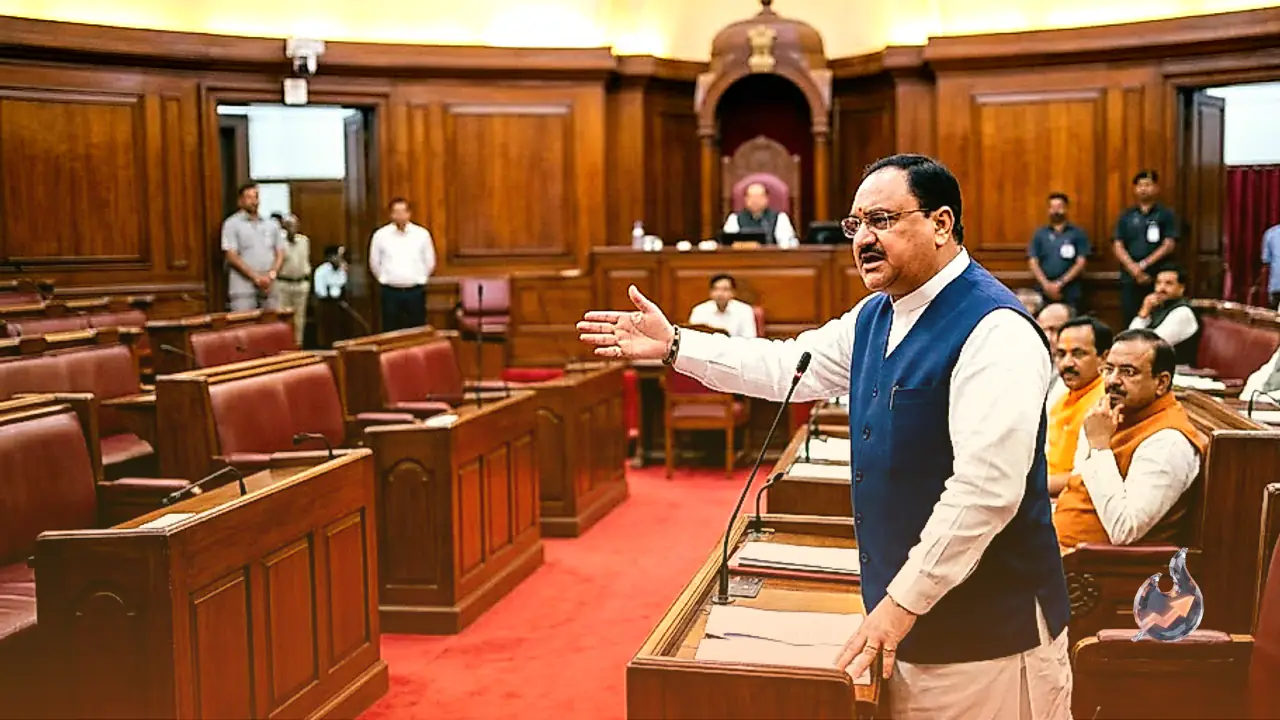

The Monsoon session of Parliament witnessed high drama on Wednesday as proceedings in both Houses were repeatedly disrupted by intense confrontations between the Treasury and Opposition benches. Tensions escalated significantly in the Rajya Sabha during the consideration of the Supreme Court (Number of Judges) Amendment Bill, 2026. Staging a strong protest over procedural and topical disagreements, several Opposition members walked out of the Upper House. However, shortly after the initial walkout, representatives from key Opposition parties including the Trinamool Congress, DMK, Aam Aadmi Party, RJD, CPM, and Jharkhand Mukti Morcha returned to the chamber to resume participation in the ongoing legislative debate. Despite their return, the atmosphere inside the House remained politically charged throughout the day.
Procedural Clash Over Scope of the Bill and Opposition Walkout
The immediate catalyst for the floor disruption occurred when Congress MP Vivek Tankha took the floor during the discussion on expanding the strength of judges in the apex court. During his address, Vivek Tankha attempted to raise the sensitive subjects of the abrogation of Article 370 and the subsequent reorganization of Jammu and Kashmir. Presiding over the session, Deputy Chairman Harivansh promptly intervened, issuing a formal ruling that matters pertaining to Article 370 fell entirely outside the defined legislative scope of the Supreme Court Judges Amendment Bill 2026, and therefore could not be permitted for discussion. This intervention triggered immediate and sharp objections from the Congress benches.
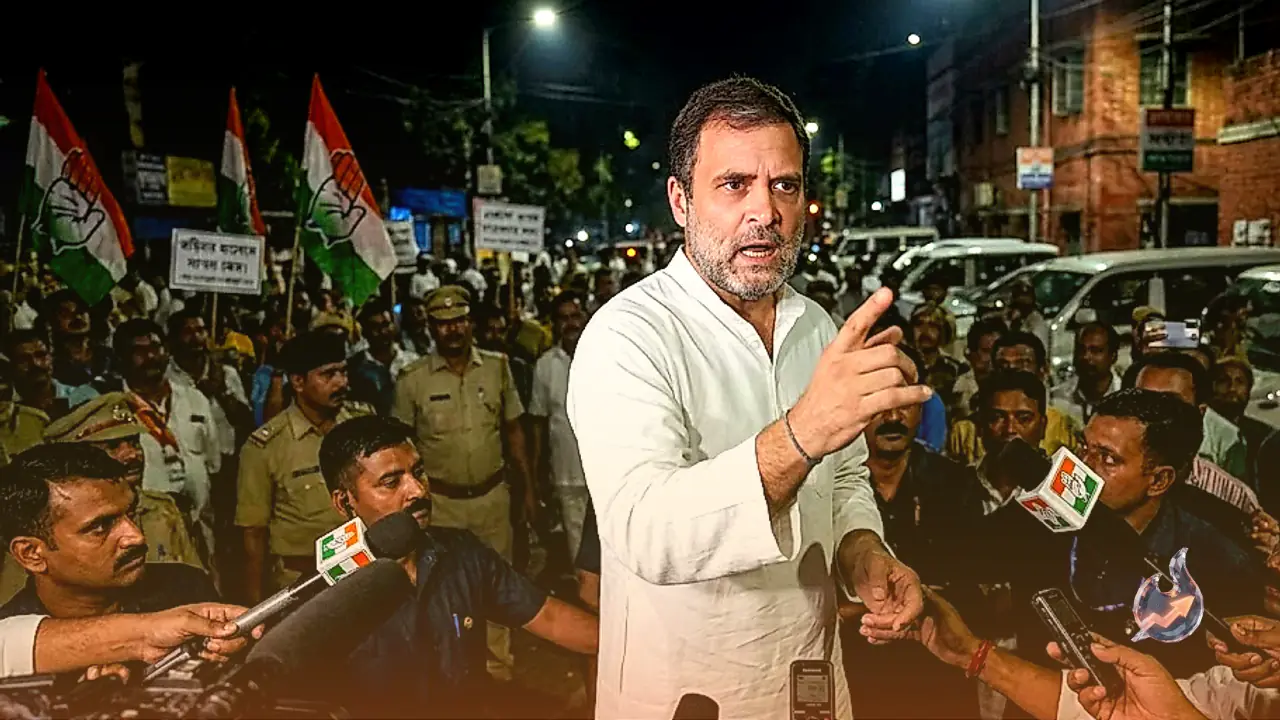
Expressing deep resentment against the ruling, Pramod Tiwari, the Deputy Leader of Congress in the Rajya Sabha, accused the ruling administration and the Chair of systematically stifling the voice of the Opposition. In protest, he announced a coordinated walkout alongside allied parliamentarians representing the INDIA block. Concurrently, Opposition members raised demands for the personal presence of Home Minister Amit Shah inside the Upper House. They insisted that the central government must directly address Parliament regarding the forceful police action taken against student demonstrators protesting the NEET paper leak controversy. Despite the Opposition walking out, the debate on the judges amendment bill continued on the floor of the House.
BJP Counterattack Over Jharkhand Student Movement
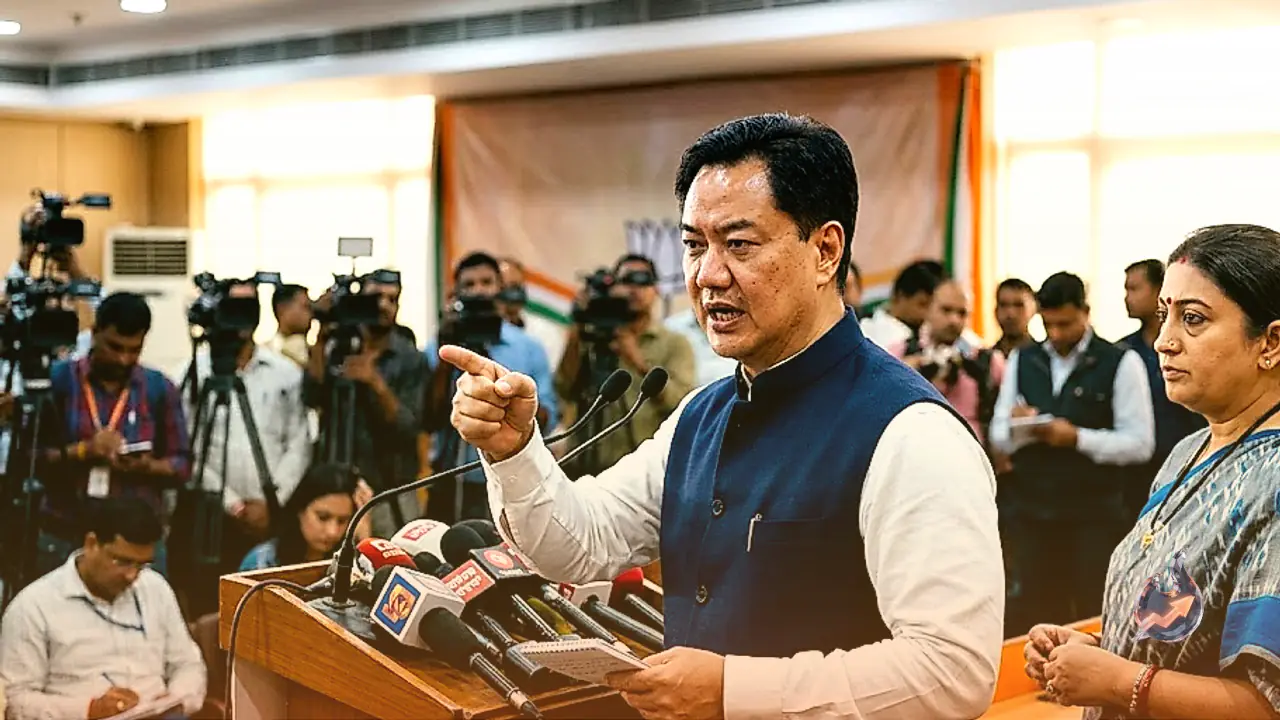
The ruling Bharatiya Janata Party launched a swift counteroffensive against the Opposition's tactics. BJP MP Jagdambika Pal strongly criticized the persistent stalling of parliamentary business, alleging that Opposition parties had been disrupting the proceedings of the House for several days without any legitimate or substantive grounds. Jagdambika Pal asserted that the Opposition was deliberately evading structured debates on critical national issues and attempting to undermine established democratic procedures.
Directing his critique toward state-level governance, Jagdambika Pal brought up the ongoing controversy surrounding the Jharkhand Public Service Commission (JPSC) examinations and the resulting student agitation, targeting the Congress-supported state government in Jharkhand. He informed the House that student aspirants in Ranchi had been protesting continuously on the streets for 13 days, yet Chief Minister Hemant Soren had not even spared the time to meet with the demonstrating youth. Turning his attention to Congress leader Rahul Gandhi, the BJP MP questioned his complete silence regarding the 13 day long student movement in Jharkhand despite his frequent public commentary on youth issues elsewhere.
Plight at Jaipal Singh Stadium and Demand for CBI Probe
Elaborating on the situation in Jharkhand, Union Minister of State for Defence Sanjay Seth leveled serious charges against the state administration. He detailed that thousands of student protesters had been holding a peaceful sit-in at Jaipal Singh Stadium in Ranchi for multiple days, yet the state government had completely ignored their plight. Sanjay Seth revealed that despite heavy downpours, the protesting candidates were denied permission to erect temporary tarpaulins for shelter, leaving them exposed to inclement weather.
The Union Minister further pointed out that essential civic amenities, including electricity supply and temporary toilet facilities, were withheld from the protesting students at the demonstration site. Highlighting widespread allegations of irregularities and malpractices in the JPSC recruitment process, Sanjay Seth reiterated the demand for an immediate probe by the Central Bureau of Investigation (CBI). He stressed that a comprehensive CBI investigation is essential to restore transparency and ensure justice for the affected candidates.
Parliamentary Traditions Versus Street Protests
Joining the Treasury bench's response, BJP member Sushmita Dev weighed in on the Opposition's conduct, asserting that if Opposition parties were genuinely concerned about public issues, they should articulate their arguments with facts inside Parliament rather than taking to street demonstrations. Sushmita Dev emphasized that parliamentary debates form part of the permanent official record, making floor participation the legitimate medium of democratic expression. She claimed that the Opposition flees structured legislative debate primarily because the Treasury side refutes their claims with verifiable facts and data.
Similarly, BJP MP Arun Govil censured the Opposition's strategy, noting that Opposition members routinely enter the chamber holding placards merely to create commotion while systematically avoiding serious discussion on vital legislative matters. Arun Govil underscored that constructive debate remains the foundational pillar of parliamentary democracy, urging the Opposition to respect legislative norms and fulfill its constitutional duties.
Escalating Political Temperature and Future Outlook
Wednesday's legislative proceedings highlighted deepening political fault lines inside Parliament. The combination of intense debates on expanding Supreme Court judges, procedural clashes over Article 370, Opposition walkouts, and fierce Treasury attacks regarding the NEET paper leak and Jharkhand student protests significantly raised the political temperature. As the Monsoon session continues, these sharp exchanges indicate that confrontation between the government and Opposition is likely to intensify further over upcoming legislative items and contentious national issues.