























While Bharatpur's Keoladeo National Park is celebrated internationally as a haven for resident and migratory birds, the ecological depth of this protected sanctuary extends well beyond its winged inhabitants. During the winter months, visitors arrive from across India and around the globe to admire thousands of nesting waterbirds, yet beneath the canopy lies a thriving reptilian habitat. The biodiversity of the park supports roughly 13 distinct species of snakes, spanning a wide evolutionary mix that features both venomous vipers and harmless, non-venomous varieties sharing the wetland terrain.
Natural Habitat Conditions and Visitor Safety
The unique physical terrain inside Keoladeo National Park offers nearly ideal ecological conditions for reptiles and amphibians to prosper. Expansive waterlogged swamplands, patches of tall wild grass, dense thorny brush, and extensive tree cover combine to provide seamless camouflage, shelter, and ample hunting territory. These varied microhabitats explain why multiple snake species manage to thrive across distinct pockets of the park. However, to maintain visitor safety and preserve animal welfare, nature guides and forest authorities advise tourists to maintain a respectful, safe distance from all wild creatures encountered along the wilderness trails.
Sizable Python Numbers in Grasslands and Marshes
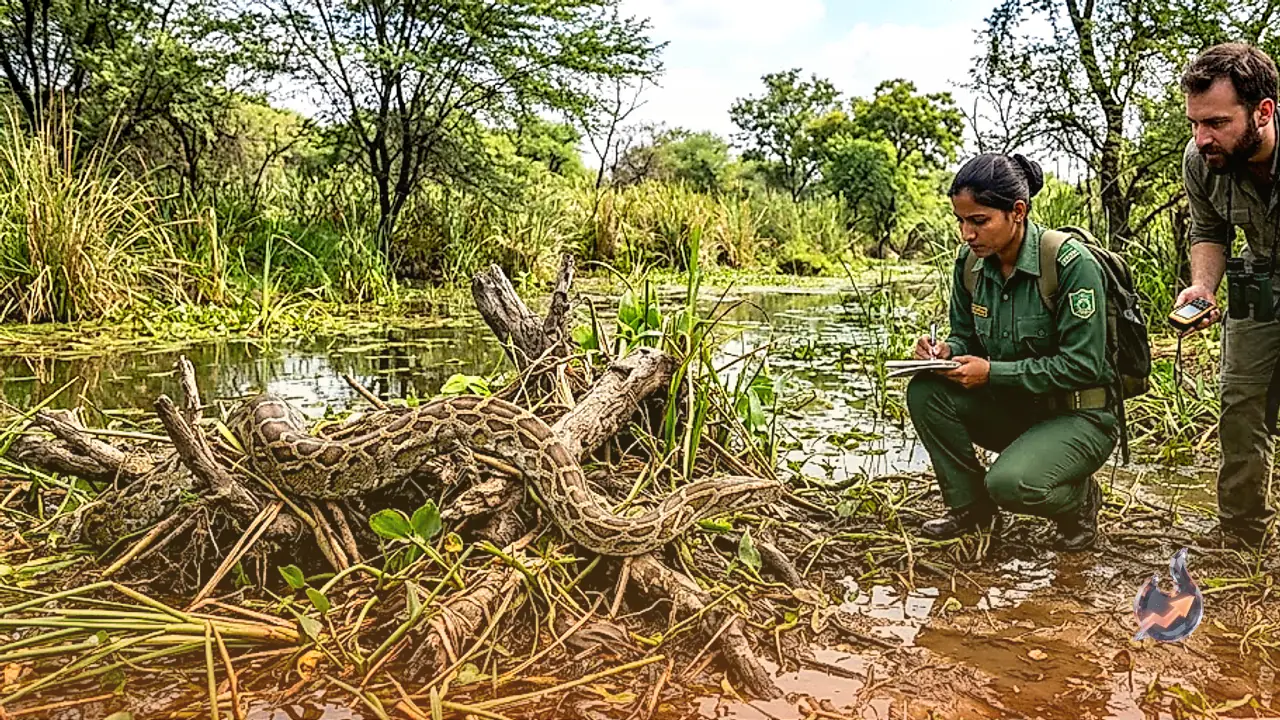
Among the reptilian wonders of Keoladeo, Indian rock pythons command singular interest, maintaining a substantial population throughout the park grounds. These massive serpents frequently turn up around marsh edges, dense underbrush, and sunlit clearings near waterlogged sectors. Visitors walking with local nature guides regularly catch glimpses of them coiled peacefully in open vegetation. Though pythons carry no venom, their immense girth, sheer muscular strength, and imposing stature make any sighting an exhilarating experience for naturalists and wildlife enthusiasts alike.
Food Web Dynamics and an Interconnected Ecosystem
The resident serpents play an indispensable ecological role in sustaining the balance of this fragile wetland sanctuary. By preying on rodents, frogs, and various smaller creatures, these reptiles keep prey numbers under control, preventing ecological degradation. Concurrently, snakes and their young serve as a vital food source within the broader web of predatory raptors and mammals inhabiting the forest. While birds remain the primary draw for arriving sightseers, a closer exploration reveals an intricate web of biodiversity, proving that Keoladeo is far more than a simple bird sanctuary, functioning instead as a fully integrated natural sanctuary.