























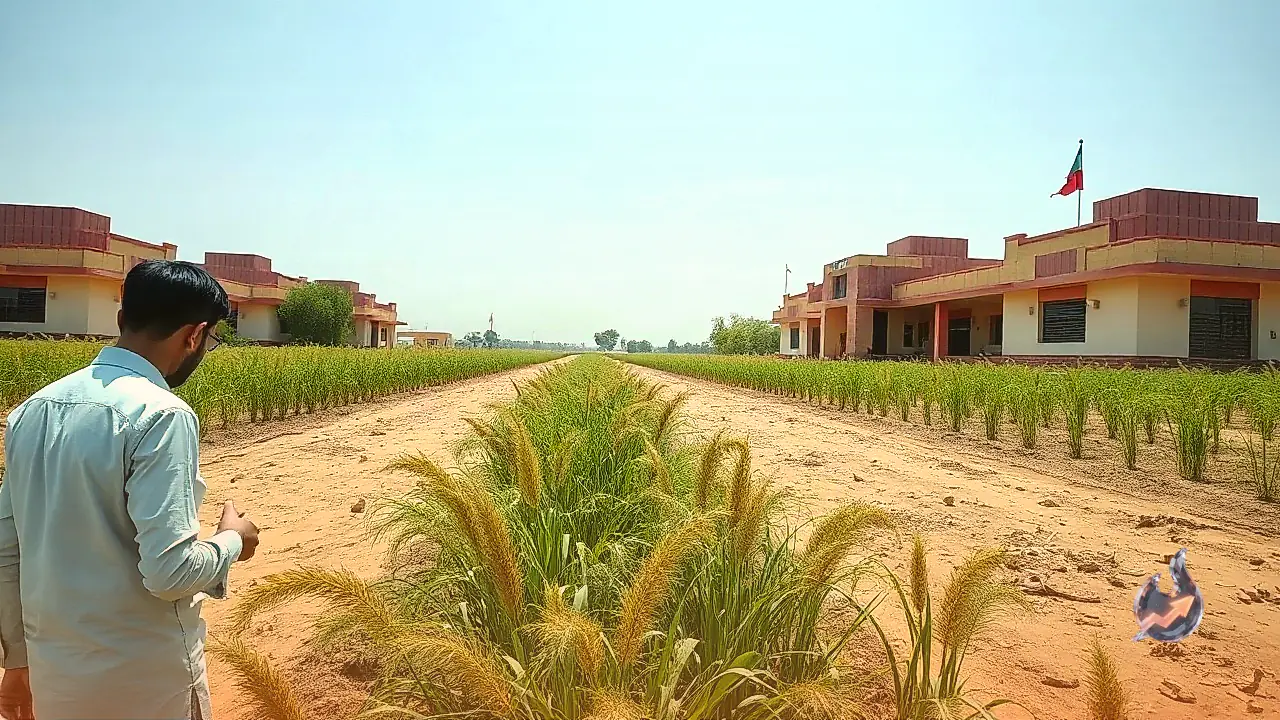

A specialized educational and awareness program addressing the rising threat of the invasive weed carrot grass was organized at the Agricultural Research Centre Bikaner in Rajasthan. Scientifically known as Parthenium hysterophorus, this aggressive weed poses a major hazard not only to agricultural crop yields but also to native plant species, livestock, and human health. Agricultural experts at the event educated visiting farmers and students on how to accurately identify carrot grass, understand its toxic properties, and execute effective containment methods to eradicate it from farmland, grazing grounds, and uncultivated vacant plots.
Adverse Impact on Crop Yields, Biodiversity, and Ecosystems
During the session, Dr. Sheesh Pal Singh, a senior scientist at the research center, pointed out that Parthenium hysterophorus is an extremely invasive weed species that multiplies rapidly across diverse habitats. Once it establishes itself in a particular zone, containing its growth becomes a daunting challenge for farmers. In agricultural fields, it aggressively competes with primary crops for essential soil nutrients, moisture, sunlight, and growth space. This intense competition severely suppresses crop growth, ultimately causing significant financial losses for cultivators. Furthermore, its rapid spread suppresses native flora, disturbing the delicate ecological balance of local plant biodiversity.
Elaborating on the biochemical hazard, Dr. Rupesh Meena provided detailed information regarding the toxic substances synthesized within carrot grass. He explained that these natural toxins adversely affect soil quality and hinder the normal development of neighboring plants. Adding to the discussion, Dr. B.D.S. Nathawat highlighted that carrot grass acts as a favorable harbor and breeding ground for disease-causing pathogens as well as destructive crop pests. He stressed that failing to implement timely management measures could lead to widespread pest infestations and outbreak of crop diseases across agricultural lands.
Severe Health Risks for Humans and Livestock
The hazardous impact of carrot grass extends well beyond farm fields, presenting a direct health risk to humans and animals alike. Experts explained that physical contact with the plant or exposure to its airborne pollen can trigger severe allergic reactions in sensitive individuals. Common symptoms include skin rashes, intense itching, eye irritation, and acute respiratory difficulties such as asthma. Consequently, agricultural scientists strongly emphasize exercising extreme caution whenever handling or removing this noxious weed.
Farmers and agricultural workers engaging in weed removal efforts are advised never to pull out carrot grass with bare hands. Wearing protective gloves and full-body clothing is mandatory to prevent direct cutaneous contact with toxic plant sap and pollen. Moreover, when carrot grass invades pastures, vacant lands, and grazing areas, it endangers livestock. Consuming or brushing against these toxic weeds can lead to health complications and digestive ailments in cattle, further highlighting the urgency of community-wide containment.
Pre-Flowering Control and Integrated Weed Management
Focusing on management techniques, experts underscored that containment efforts must be initiated prior to the flowering and seed-formation stages of carrot grass. Once the plant blossoms and produces seeds, they disperse rapidly over vast distances via wind, water, and animal movement. Popularly recognized in many regions as Congress grass, this weed proliferates within remarkably short timeframes along roadsides, field boundaries, pasturelands, and uncultivated fields, making early intervention essential.
Scientists outlined a combination of mechanical, biological, and chemical control methods tailored to the scale of infestation. For localized or small-scale growths, uprooting the weed along with its root system before flowering occurs remains the most straightforward and practical solution. However, for extensive infestations spanning large agricultural tracts, adopting an Integrated Weed Management strategy becomes imperative. Combining multiple eradication techniques ensures long-term control over this persistent weed, safeguarding crops and local ecosystems.