























Farmers in the Kota district of Rajasthan are facing severe hardships in procuring essential fertilizers for their crops due to newly implemented distribution rules by the local agriculture department and administration. The complex procedures have turned what should be a routine agricultural supply process into a daily struggle, prompting widespread frustration and open protests on the streets.
Complex Rules And Long Distances Create Hardships
Growers have strongly criticized the mandatory use of farmer IDs, online token systems, and arbitrary center attachments, arguing that these measures have made purchasing fertilizer unnecessarily complicated. A major grievance is that farmers are being assigned distribution centers located fifty to seventy kilometers away from their native villages instead of receiving supplies locally. This forces them to waste valuable time, money on travel, and physical effort. The farming community is demanding an immediate simplification of the entire process and adequate fertilizer supplies at their nearest local distribution centers.
Memorandum Submitted To The Chief Minister
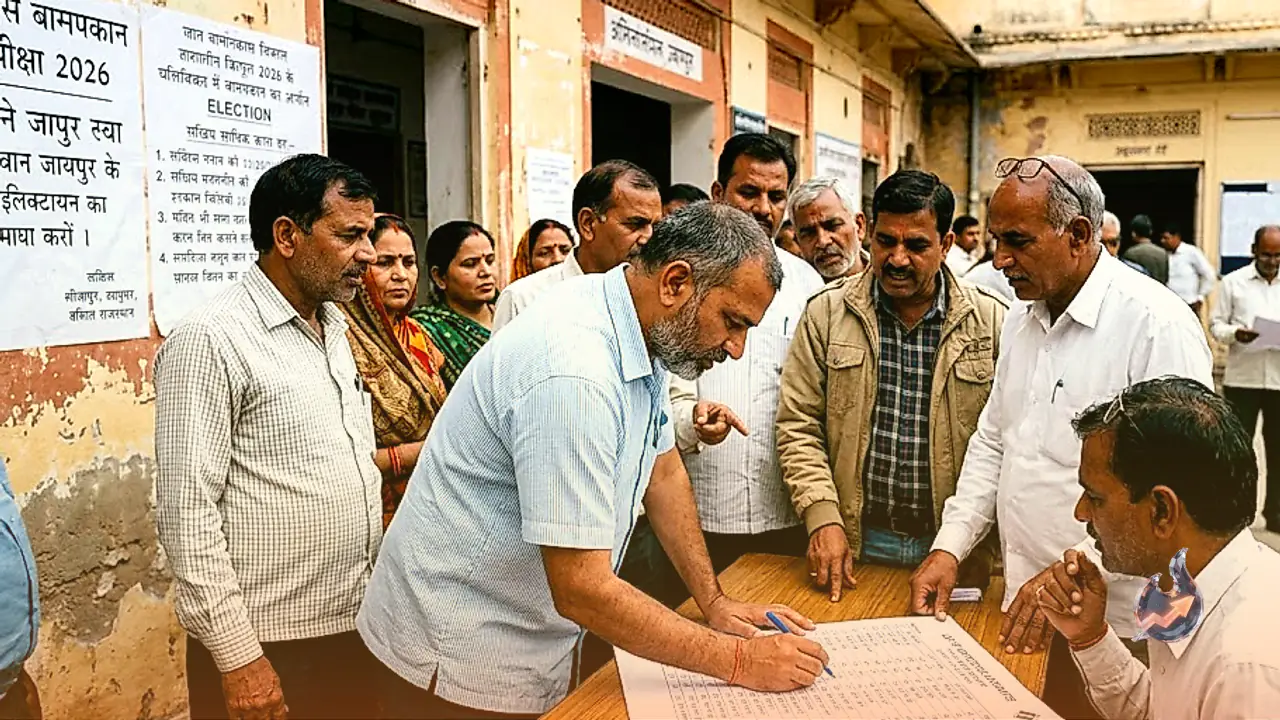
Frustrated by the ongoing crisis, farmers united to submit a formal memorandum addressed to the Chief Minister through local administrative officials. Their primary demands include the complete removal of the farmer ID mandate, the scrapping of the online token system, and the immediate cancellation of distant center attachments. Farmers pointed out that during the peak season when their crops need nutrients the most, they are instead forced to waste days standing in long queues and traveling to far-off depots.
Warning Of Severe Protests In Upcoming Elections
The mounting anger over the fertilizer shortage and cumbersome procedures has now reached a boiling point. Growers have issued a stern warning that if authorities fail to address their grievances and reform the system swiftly, politicians visiting their villages during upcoming elections will face intense backlash. The farming community made it clear that they plan to boycott uncooperative leaders and register their extreme displeasure through aggressive public protests.