























Situated in the Bharatpur district of Rajasthan, Keoladeo National Park, widely recognized by locals as Ghana, stands as a remarkable example of preserving profound natural diversity within a compact geographic boundary. Spanning an area of approximately 28.73 square kilometers, this prominent national park encompasses such a wide array of natural elements that it holds a distinguished place among important wetland regions not just within the country but across the entire globe. In an era marked by shifting environmental conditions, ongoing climate change, and rising global temperatures, the ecological role of Keoladeo National Park becomes increasingly vital.
A Haven for Migratory Birds and Aquatic Life
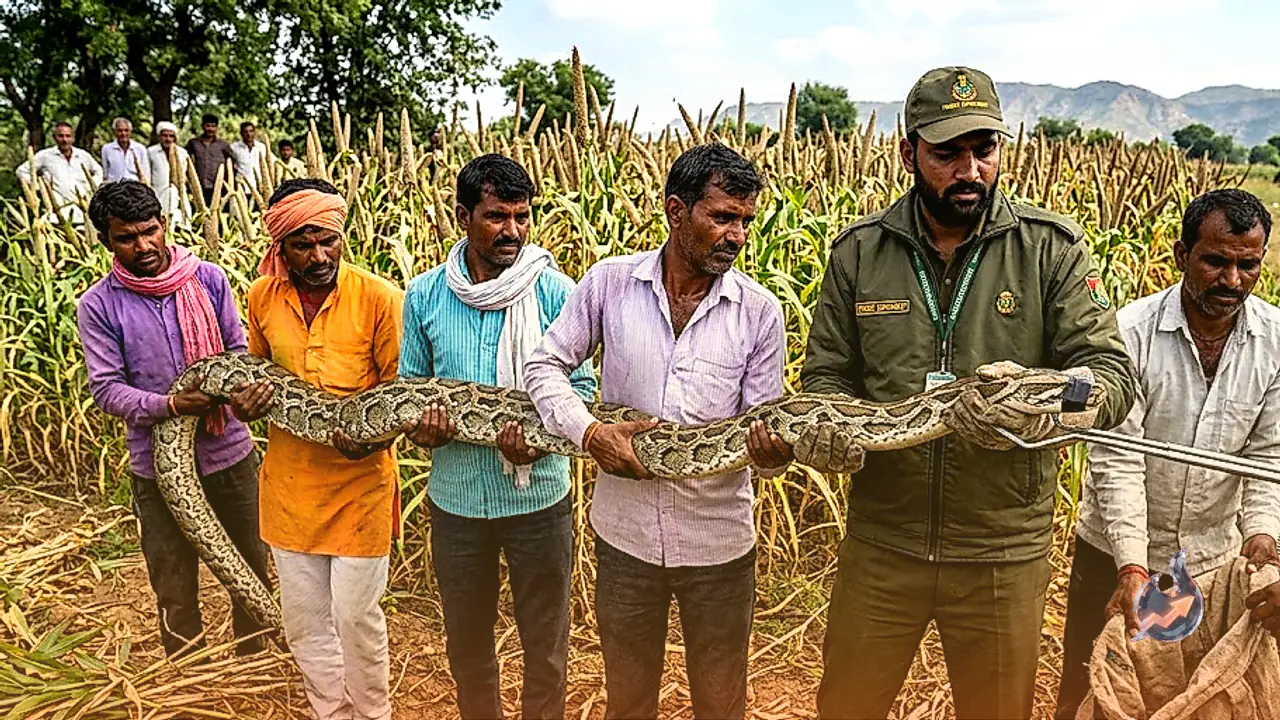
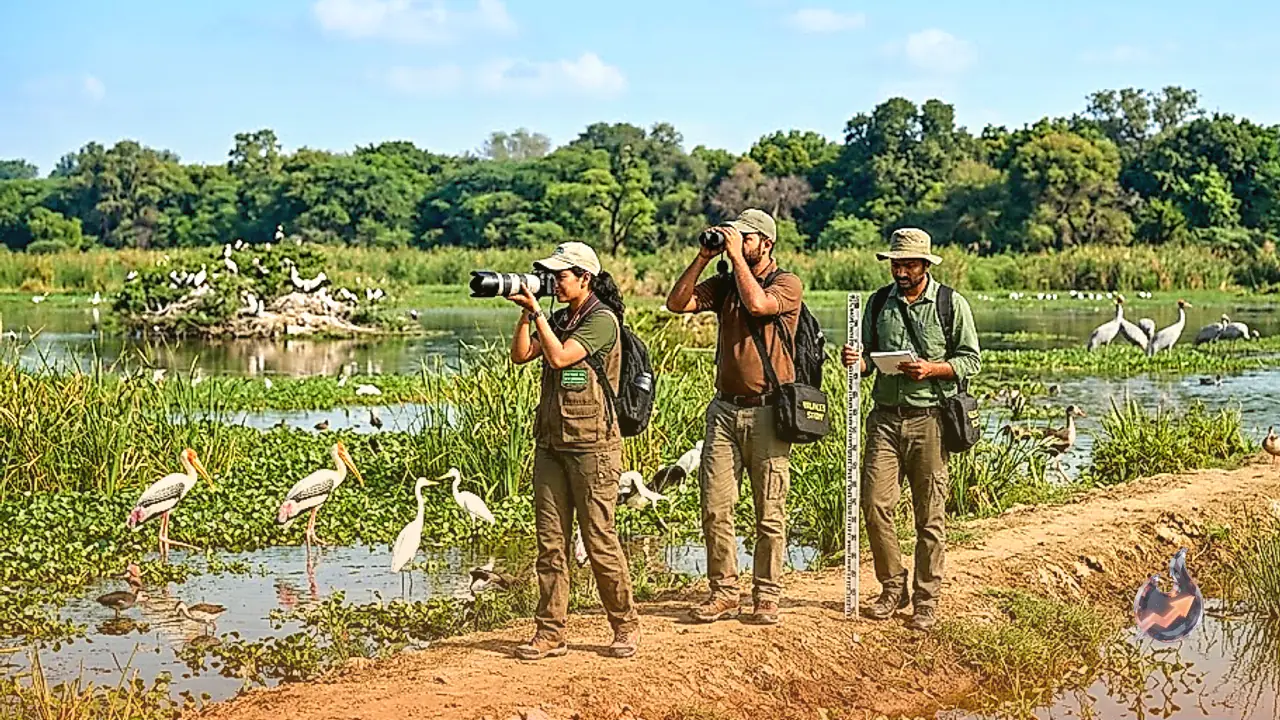
The park witnesses a massive influx of both domestic and international migratory birds alongside a large population of resident species throughout different seasons of the year. During the winter months, the local atmosphere resonates with the vibrant sounds of avifauna, transforming the region into a major attraction for nature enthusiasts and ornithologists alike. Beyond birds, Ghana is home to numerous species of reptiles, fish, insects, and varied flora. This rich combination of living organisms creates a robust and interconnected ecosystem that supports a wide spectrum of life forms in a relatively small space.
Natural Habitats and Balanced Coexistence
The water bodies, expansive grasslands, dense shrubs, and diverse plant life found within Ghana provide customized natural habitats suited to the specific needs of various wildlife species. A notable feature of Keoladeo is the harmonious coexistence observed among diverse biological communities within such a limited territory. Because of this unique dynamic, the area serves as an essential site for researchers and scholars studying environmental conservation and biodiversity dynamics. Continuous studies are conducted here to understand avian behavior, migration patterns, breeding cycles, and the ecological impacts of seasonal shifts. Nevertheless, contemporary environmental challenges such as fluctuating temperatures, irregular rainfall patterns, and water availability continue to pose ongoing concerns for this delicate ecosystem.
The Imperative Need for Conservation
Protecting Keoladeo National Park is essential not merely for the local region of Bharatpur, but for maintaining broader environmental stability. Ghana demonstrates that safeguarding nature does not strictly depend on possessing massive territorial expanses, but rather relies heavily on the efficient management of available resources and a steadfast commitment to preserving biodiversity. Consequently, the national park continues to serve as a living benchmark for successful biodiversity conservation amidst rapidly changing global environmental conditions.