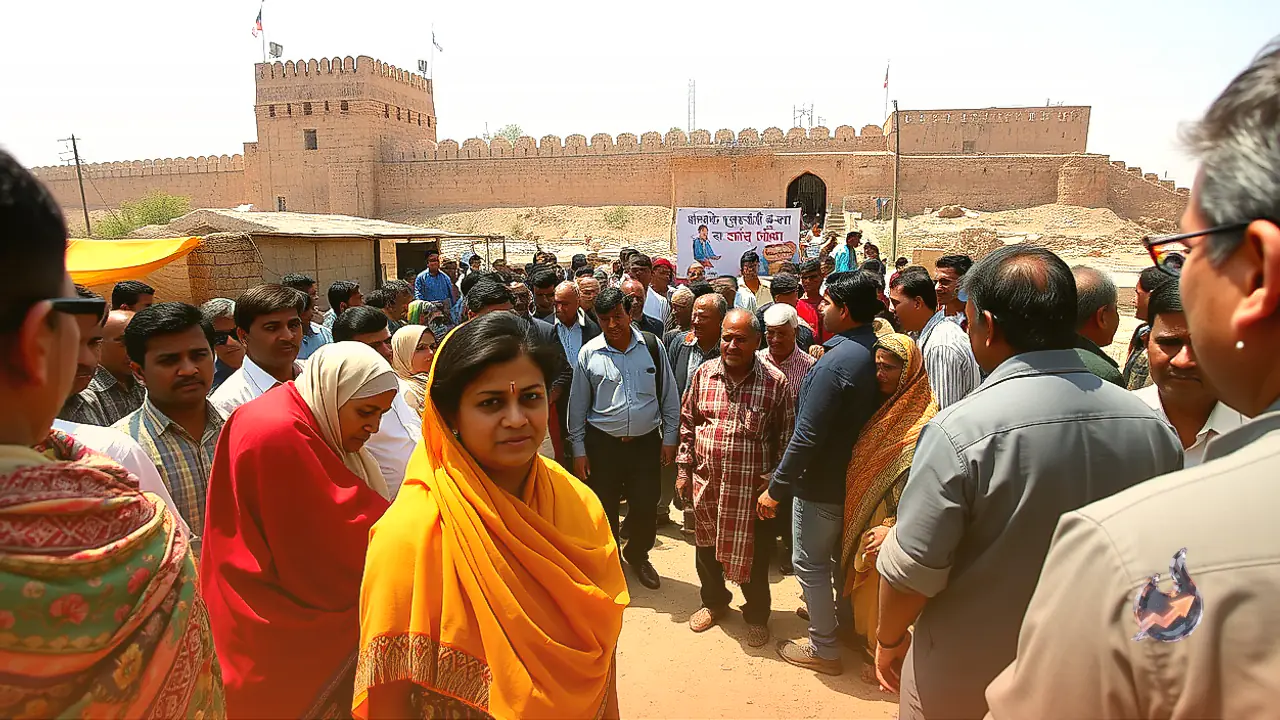



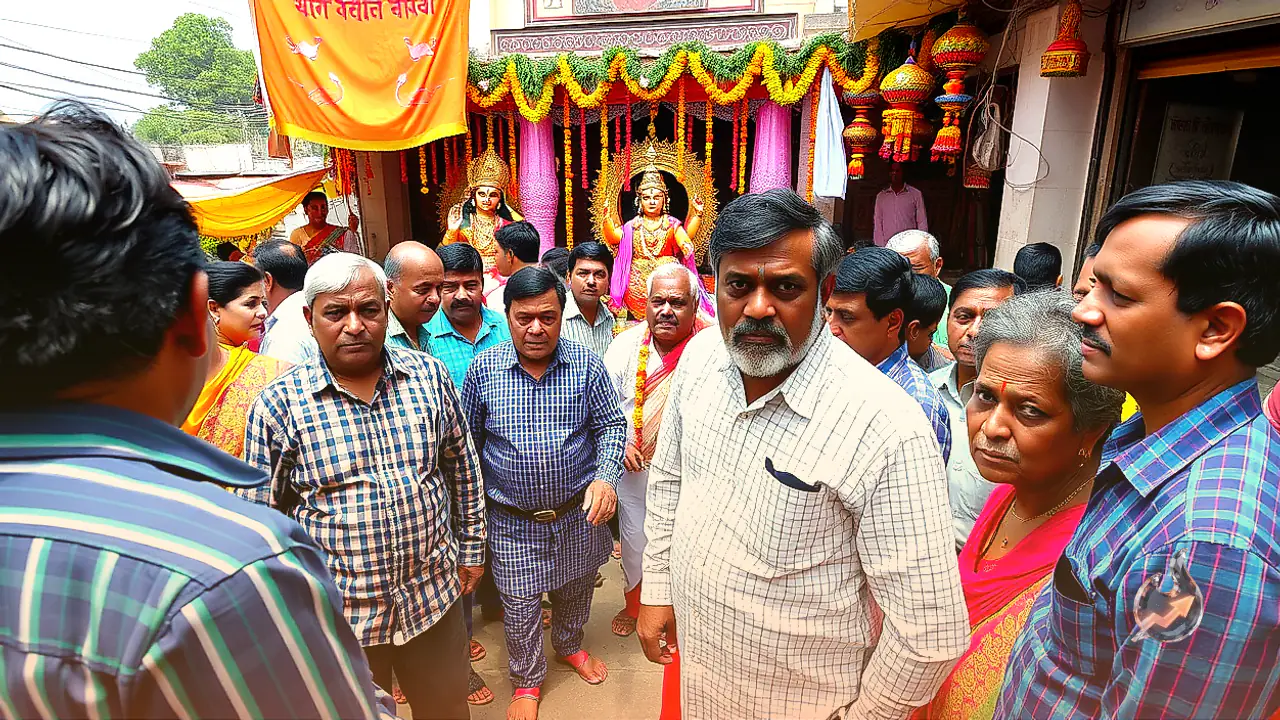















With the announcement of panchayat elections across Rajasthan, political activity has gained rapid momentum throughout rural pockets. Across the state, the process of forming new village administrations has set off intense deliberations on village platforms. A central question defining these local body polls is whether traditional caste arithmetic and established political equations will dictate voter choices, or whether genuine infrastructural development and access to basic civic amenities will become the decisive metric for candidates. Rural voters are closely evaluating grassroots realities, hoping that the incoming representatives will address their persistent everyday struggles rather than offering superficial assurances.
Neglect on the Periphery of State Capital
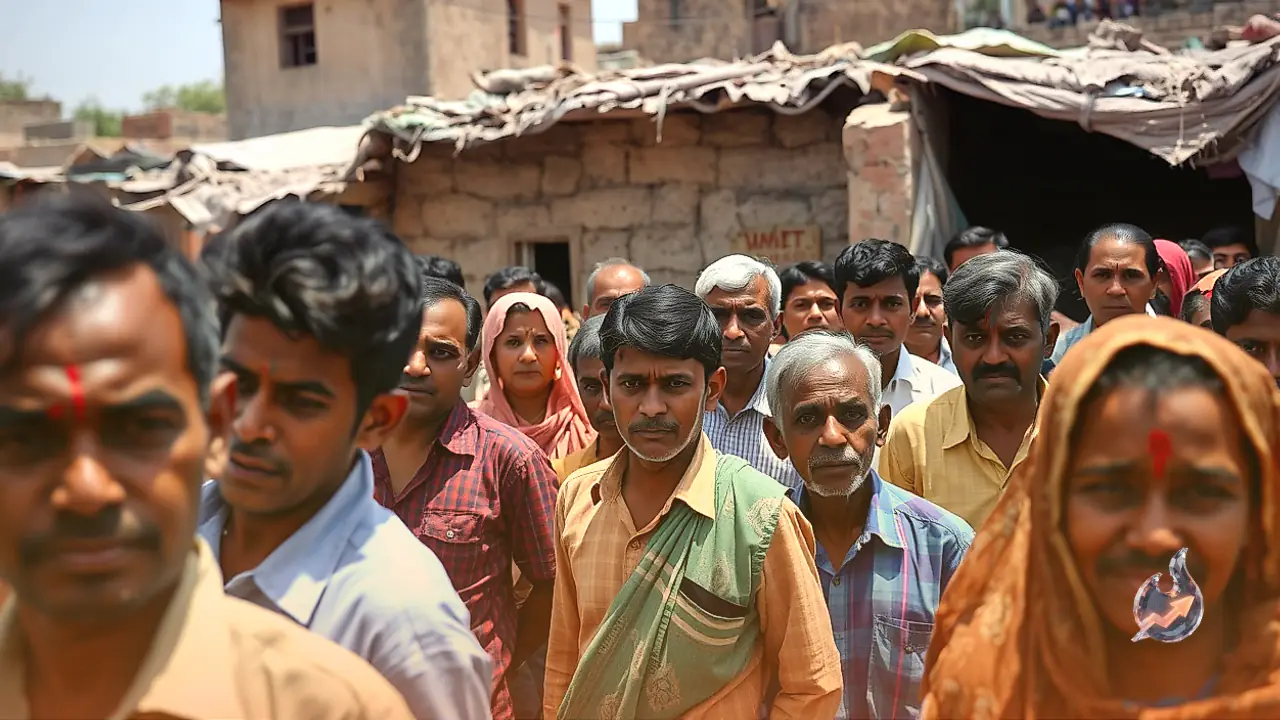
Situated merely 27 kilometres from Rajasthan's capital city of Jaipur, Manota village presents a striking contrast to the developmental claims surrounding the metropolitan hub. Despite being located in close proximity to the state administrative centre, the village remains deprived of essential civic infrastructure. Internal roads are severely damaged and dilapidated, turning daily commuting into a persistent hazard. The complete absence of an organised sewer network causes wastewater to accumulate in public pathways. In an era dominated by digital communication, the lack of dependable mobile network coverage remains an exhausting daily struggle. Students and working youth are routinely compelled to climb rooftops or seek higher ground just to make basic telephone calls or access study material online.
Severe Water Scarcity and Drainage Bottlenecks
The shortage of potable water represents one of the most severe hardships confronting the residents of Manota. The village lacks any major natural water body or substantial community pond to support local requirements. Furthermore, adequate government-managed piped water supply arrangements have not been established to meet the needs of the population. As a consequence, households are forced to rely heavily on private water tankers or undertake long journeys to fetch clean water from distant points. The absence of systematic stormwater and domestic drainage lines leaves arterial village paths perennially waterlogged. This chronic accumulation hampers vehicular and pedestrian movement while steadily deteriorating local sanitation standards.
Demand for Accountable Leadership Over Caste Politics
Confronted with persistent administrative neglect, residents of Manota are articulating a decisive shift in their electoral preferences ahead of the upcoming panchayat polling. Villagers maintain that their votes will not be guided by traditional caste affiliations or hereditary political loyalty. Instead, the consensus favours candidates who possess a clear understanding of the village's structural deficits and remain physically accessible to the community. Local residents view the panchayat contest as a test of public trust rather than an exercise in partisan maneuvering. The primary expectation from the next local body administration is that it treats drinking water availability, road reconstruction, sewage management, and cellular connectivity as urgent priorities, ensuring that developmental outcomes reach every single household.