






















A weak monsoon season has triggered an acute environmental and agricultural crisis across Rajasthan, raising fears of the most severe drought the state has experienced in ten years. Meteorological and disaster management assessments reveal that more than 11 districts are currently gripped by drought conditions. Precipitation across large swathes of the state has plummeted well below historical averages, drying up agricultural fields and depleting reservoir reserves to critical levels. The situation has become so precarious that authorities are actively preparing contingency plans to run emergency water transport trains to supply drinking water to parched regions.
Pali, Jaisalmer, and Jalore Face Massive Rain Deficits
The southern and western pockets of the state are bearing the heaviest brunt of the monsoon deficit. In Pali, Jaisalmer, and Jalore, rainfall dropped to less than 50 percent of the normal seasonal average, completely wiping out standing crops. Severe dryness has also expanded across numerous administrative blocks in Rajsamand, Sirohi, Udaipur, Hanumangarh, Balotra, Jodhpur, and Banswara. Field teams comprising local revenue officials and administrative personnel are actively surveying farmland to calculate the exact extent of agrarian damage. The state administration is scheduled to publish the official list of declared drought-affected districts after October 15.
Precipitation Trends Show a Steep Drop Compared to Previous Seasons
A comparative look at rainfall figures highlights a dramatic reversal from the previous monsoon cycle. During the prior year, 23 districts in Rajasthan had recorded excess rainfall exceeding normal marks by up to 60 percent. In sharp contrast, not a single district registered surplus high-intensity downpours during the latest season. While meteorological classifications technically placed 24 districts in the normal rainfall bracket, deeper data shows that 18 of those districts actually recorded negative rainfall deficits. Major territories such as Jaipur, Tonk, and Chittorgarh recorded rainfall deficits of more than 17 percent below normal. Across the entire state, only Dholpur, Deeg, and Salumbar managed to register above-average rainfall, logging 24 to 28 percent above normal levels.
Reservoir Depletion and Water Transport Rail Operations
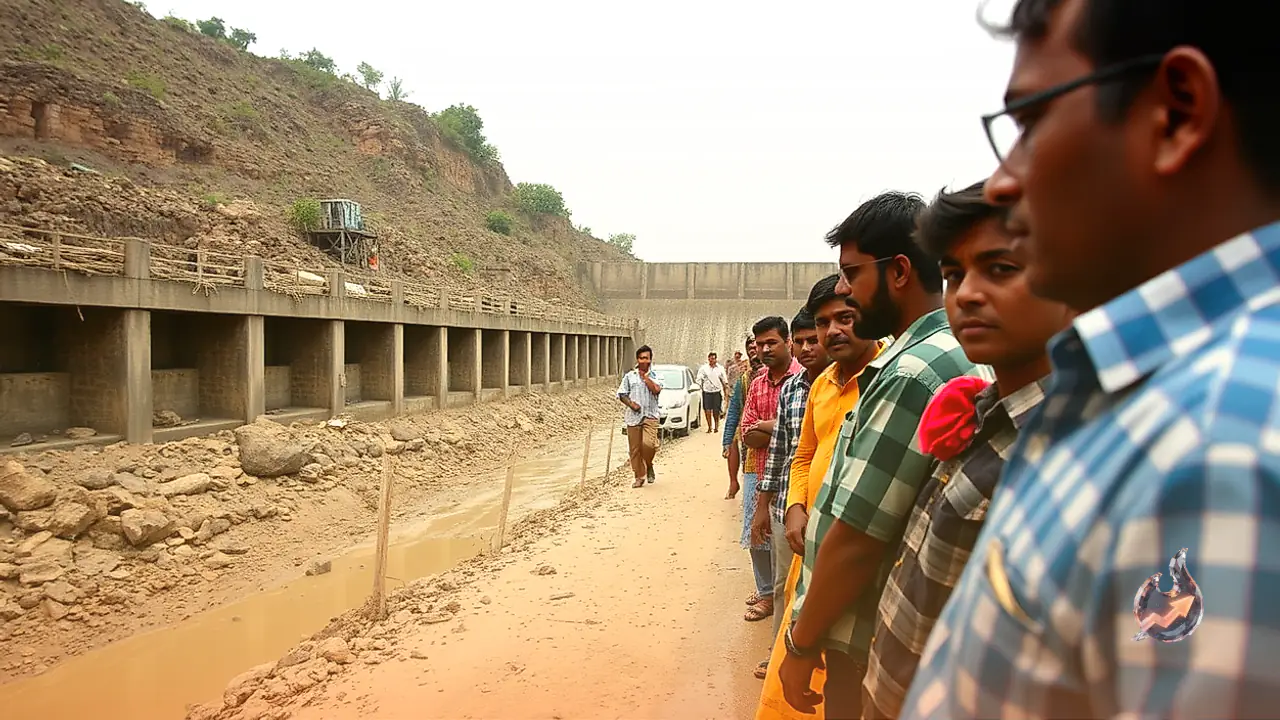
The deficiency in monsoon rains has hit water storage systems hard. Following the previous monsoon, the state's dams and reservoirs had filled up to 90.5 percent of total capacity. This season, overall reservoir storage stands at a meager 62 percent. The deficit is most severe in the Jodhpur zone, where storage levels in dams have plunged to a concerning 16 percent of total holding limits. To avert a humanitarian crisis, disaster management officials have confirmed that running water trains to Pali and surrounding drought-hit areas remains an active option. A similar emergency measure was implemented in 2022 when water trains had to be deployed to Pali to secure basic municipal supply.
Crop Failures, Impending Fodder Scarcity, and Price Pressures
The prolonged dry spell has inflicted catastrophic damage on the agricultural economy. Major Kharif crops including pearl millet (bajra), green gram (moong), cluster bean (guar), moth bean, and soybean have withered away due to the lack of soil moisture. With agricultural output sharply down, prices of daily dietary staples such as pulses and millet are set to surge, stoking retail inflation. Concurrently, livestock owners face an alarming fodder crunch. As feed costs escalate, prices of milk and dairy products are projected to rise. The resulting shortfall will compel Rajasthan to import food grains and animal feed from neighboring states, putting an immediate financial strain on daily wage laborers and ordinary households.
Emergency Administrative Interventions and Relief Measures
In response to the deteriorating drought scenario, administrative authorities have set early relief mechanisms into motion. The deployment of municipal water tankers for daily supply has been extended until December 31 to guarantee water access in distress zones. District Collectors in the affected areas have been granted special emergency powers to disburse up to 1 crore rupees each for rapid-response drought relief works. Furthermore, to safeguard rural livestock herds, strict instructions have been issued to establish dedicated fodder distribution depots across Barmer, Balotra, Jaisalmer, and neighboring districts.