



















Humidity during the monsoon doesn't just make the air feel sticky, it also shortens the shelf life of vegetables sitting in your kitchen. Fresh produce bought from the market can wilt or start rotting within a day or two if it isn't stored the right way. Tomatoes, leafy greens, okra, brinjal, cucumber and capsicum are especially quick to turn soft once moisture gets to them, which is why checking freshness while buying and storing vegetables correctly at home both matter during the rainy season.
Why spinach, fenugreek and coriander need extra attention
Leafy vegetables suffer the most damage during the rains. If spinach, fenugreek, coriander and mustard greens already carry rainwater or moisture on their leaves, they begin to rot within a matter of hours. The first thing to do after bringing them home is to pick out any spoiled or wilted leaves, then gently pat the remaining leaves dry with a clean cotton cloth or a paper towel to remove excess moisture. Skipping this step and sealing them straight into a plastic bag traps steam inside, which spoils them even faster.
Keeping okra, beans and capsicum from turning mushy
Okra, green beans and capsicum also spoil quickly in muggy weather. A sticky film forming on the surface of okra or black spots appearing on beans are clear signs that the vegetable has begun to rot. A simple way to avoid this is to wash them only right before cooking rather than before storing. They should also be kept in a fully dry container or in a bag with small holes, so air keeps circulating inside and moisture doesn't build up and cause rot.
Handling tomatoes and brinjal without letting them rot
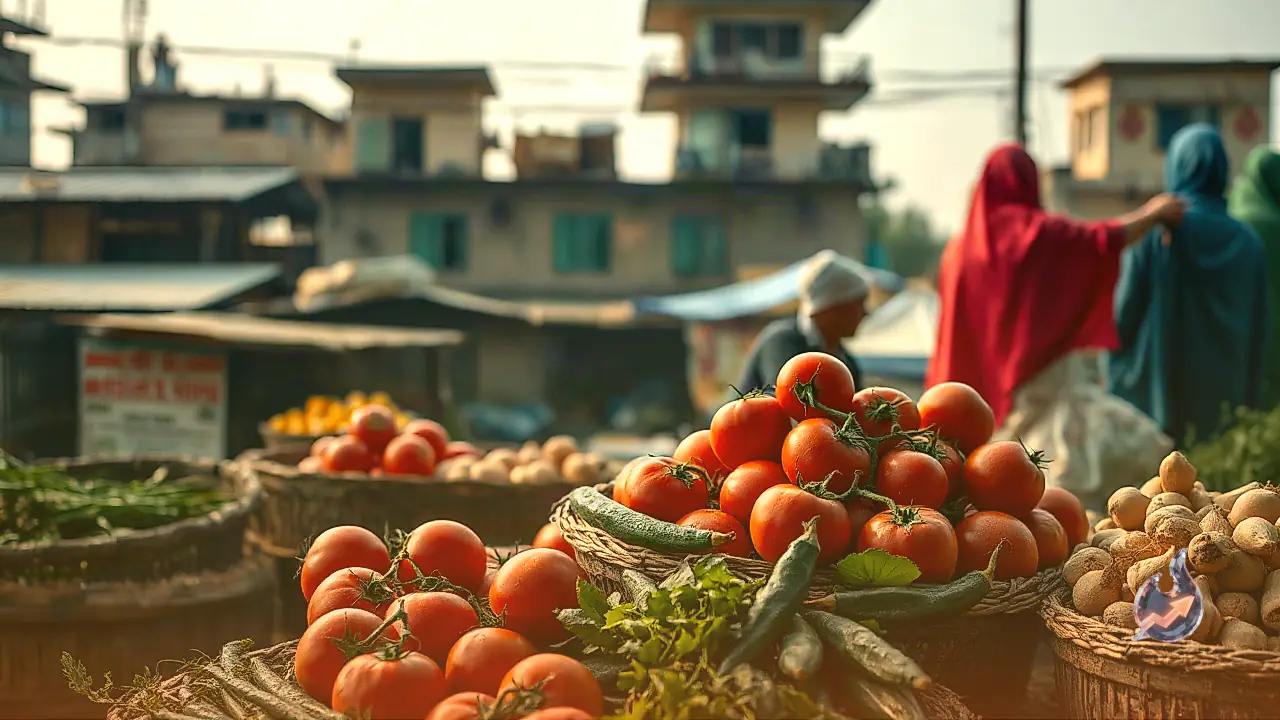
Tomatoes and brinjal also need careful handling in the monsoon, because rot spreads extremely fast from any bruised or cut portion. That's why it's worth avoiding tomatoes or brinjals that already look very soft, pressed in or spotted while buying them. It's better to use tomatoes in time rather than letting them sit around and over-ripen, and brinjal should be cooked as soon as possible rather than being stored for a long stretch.
Store potatoes and onions in a basket, not the fridge
The biggest mistake with potatoes and onions is keeping them in a damp spot or sealed inside a plastic bag. That leads to fungus, rot or sprouting well before their time. During the monsoon, they need to sit in a dry, airy spot. A mesh basket or a perforated container works far better than a refrigerator here, since air keeps moving through it and no water or steam gets trapped inside.
The simplest formula to keep vegetables fresh for longer
If the goal is to keep vegetables fresh for as many days as possible, one basic rule matters most, don't wash them and then shut them away wet in a closed container or bag right after bringing them home unless it's actually needed. Any vegetable that shows even the slightest sign of rot or spoilage should be separated from the rest immediately, since a single spoiled vegetable can quickly spoil the ones stored around it. Buying only as much as is needed rather than a large stock at once, keeping everything dry, and using it up quickly remains the most reliable approach during the rainy season.