















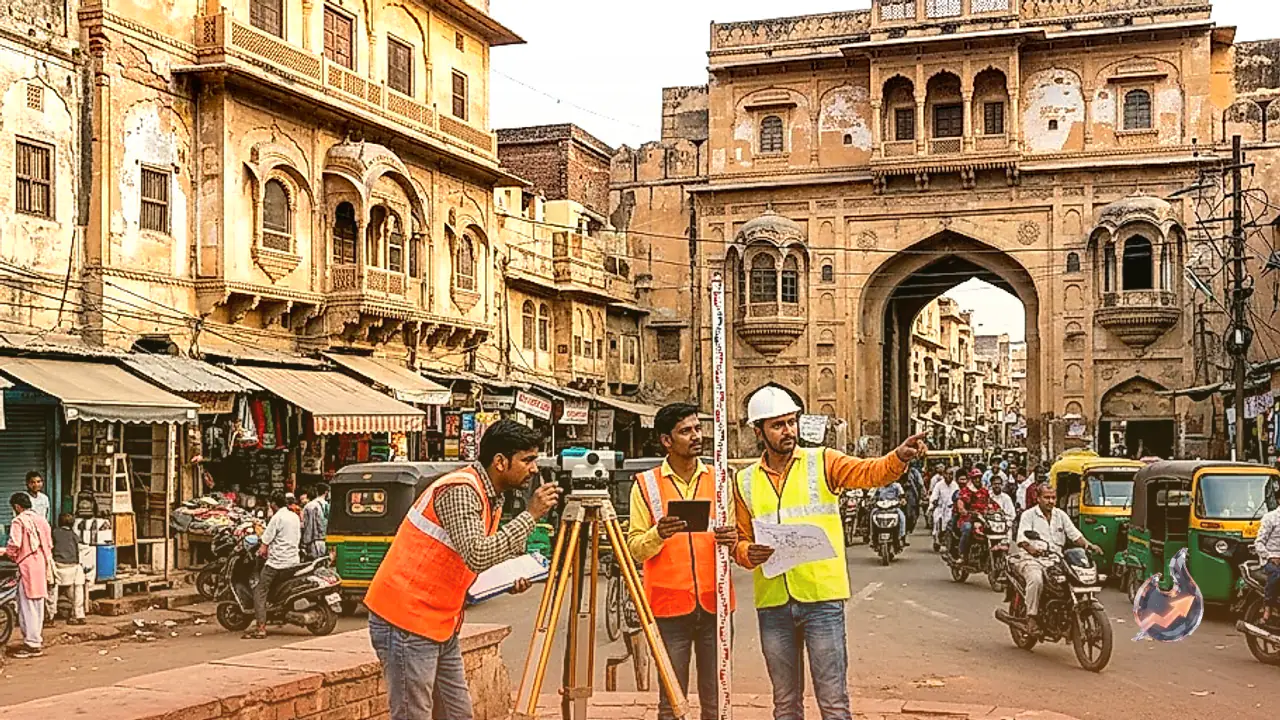

Urban areas across Rajasthan are gearing up for a massive overhaul of roads, public transport, sanitation, drainage, and other essential civic amenities. The World Bank has drafted a comprehensive proposal named the Sustainable Urban Transformation in Rajasthan Accelerated or Sutra project. The estimated cost of this extensive initiative stands at 385.7 million US dollars, which translates to over 3,500 crore rupees. The primary objective of the project is to strengthen urban infrastructure, deliver superior civic facilities to residents, and give a significant boost to the tourism sector.
Targeted Cities and Regional Clusters
A total of 32 urban local bodies will be covered under this proposed initiative. This includes four major urban clusters centered around Jaipur, Jodhpur, Kota, and Bharatpur, along with 28 associated satellite towns linked to them. The combined population across all these designated areas is estimated to exceed 7.8 million in the year 2026. Backed by the World Bank, the project emphasizes expanding basic amenities and driving planned urban growth to keep pace with the needs of a rapidly growing population.
Focus on Roads, Transport, and Drainage Infrastructure
Under the Sutra project, several initiatives are proposed to upgrade transit systems and improve regional connectivity across the cities. The goal is to ease daily commuting for the public and modernize urban transport networks. Furthermore, focused efforts will be directed toward solid waste management and strengthening secondary civic amenities. Special plans are also in place to tackle recurrent challenges such as severe water shortages during scorching summer months and waterlogging during heavy monsoons, helping build climate resilient urban infrastructure.
Preservation of Historical Heritage and Tourism Development
Key cities in Rajasthan are globally renowned for their historic buildings, rich cultural legacy, and iconic tourist destinations. The project proposal places significant emphasis on conserving these historical assets and developing old heritage zones. The underlying aim is to enhance these landmarks, attract more travelers, and reinforce the unique cultural identity of these historic urban centers.
Improving Financial and Administrative Health of Urban Bodies
The project extends beyond physical construction and infrastructure development, focusing strongly on enhancing the financial and administrative capabilities of urban local bodies. Proposed measures include boosting internal revenues, refining taxation systems, and optimizing debt management. Additionally, the framework aims to build the capacity to draw capital from private sectors and commercial institutions to fund upcoming urban development works, ensuring steady financial resources.
World Bank to Provide USD 270 Million Loan
The total proposed cost of the project is 385.7 million US dollars. This financial structure comprises a loan of 270 million US dollars from the International Bank for Reconstruction and Development, alongside a financing share of 115.7 million US dollars from the Government of Rajasthan. The designated implementation agency for the project will be the Rajasthan Urban Infrastructure Development Project. Official documents indicate that the technical design review is expected by December 10, 2026, while final approval from the World Bank board is anticipated by July 2, 2027. At present, this remains a proposed framework, and exact execution timelines will become clearer following formal approvals.