






















With the arrival of the rabi cropping cycle in Rajasthan's Nagaur district, local cultivators have initiated active preparations for crops that mature within a compact window and command reliable market demand. Among these valuable alternatives, pan methi has emerged as a top choice among regional farmers planning their sowing operations between October and November. Dry, cool atmospheric conditions provide the optimal climate for this particular crop to flourish. A primary commercial attraction for cultivators is its flexible revenue model, allowing them to harvest and sell fresh green foliage early on, followed by drying the remaining foliage to market premium dried fenugreek later in the season.
Optimal Sowing Timelines and Climate Dependencies
Agricultural specialist Bajrang Singh highlights that the period spanning October through November represents the most favorable window for planting pan methi. Excessive heat or prolonged, stagnant moisture in the ground can severely impede crop health and damage nascent roots. Mild coolness in the air during the initial germination phase encourages vigorous seedling development and uniform vegetative growth. Growers are advised to evaluate local climatic patterns, ambient temperatures, and current field moisture levels to pinpoint the ideal seeding dates for their specific plots.
Soil Preparation and Field Levelling Strategies
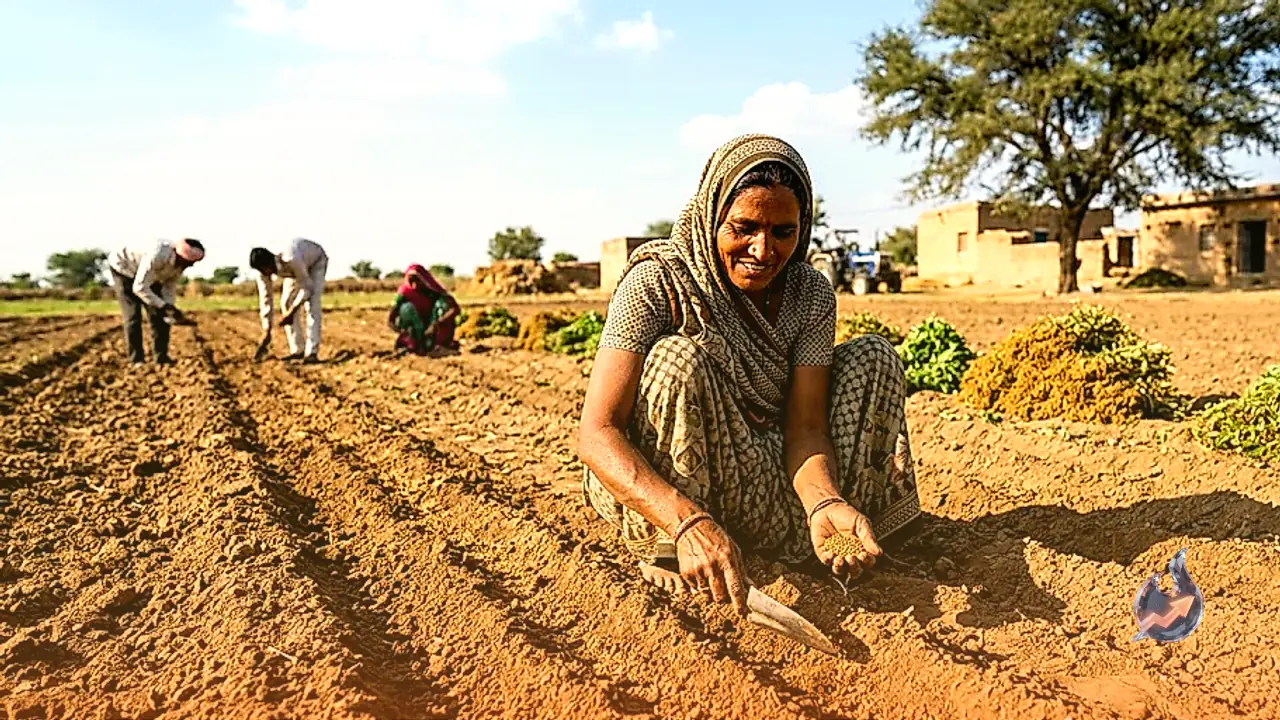
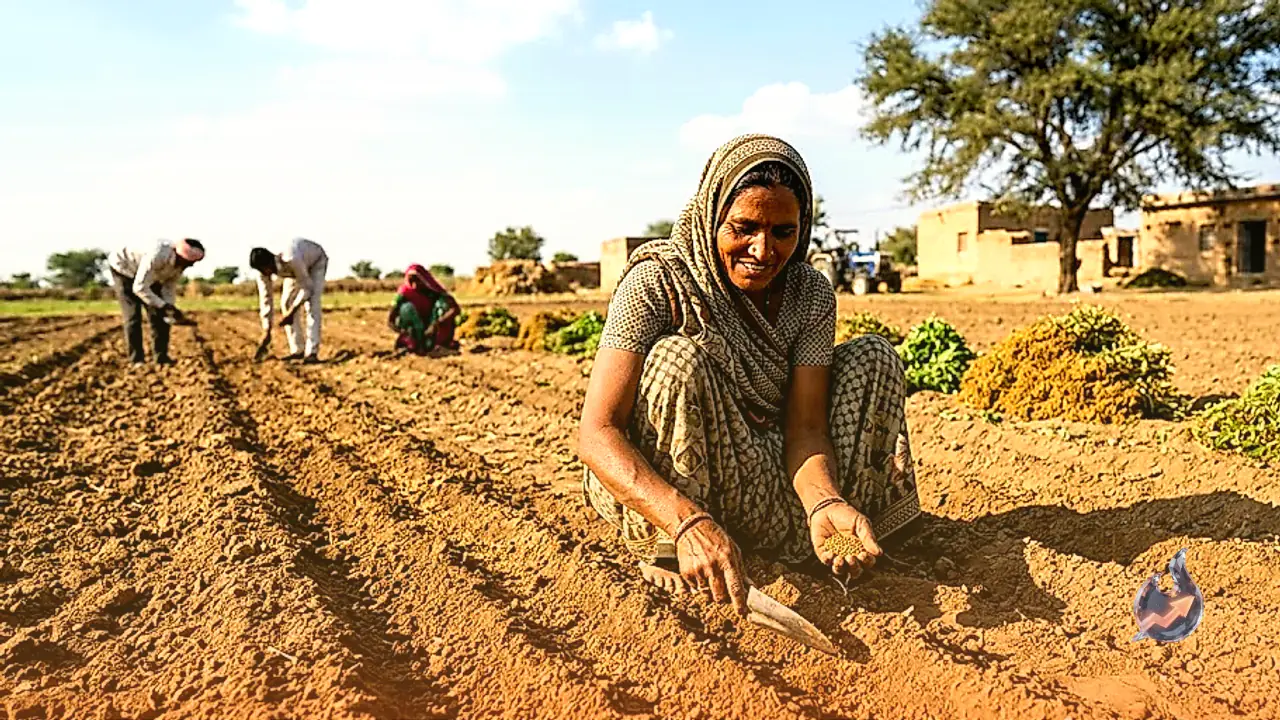
Achieving superior yields relies heavily on systematic field conditioning long before seeds enter the ground. The agricultural specialist points out that thorough, deep plowing is essential to break dense soil clusters into a fine, crumbly tilth. Soft, well-pulverized soil allows tiny seeds to sprout without mechanical obstruction. Proper drainage infrastructure is equally vital, as standing water must never be allowed to accumulate in the plots. Once the ground is adequately plowed, farmers should level the soil and mark organized linear rows. Sowing in straight furrows simplifies subsequent operations such as light watering, routine hoeing, and weed elimination.
Seed Placement, Spacing Standards, and Field Care
Crop vitality begins with the choice of certified, pristine seed stock. Cultivators should avoid burying seeds excessively deep beneath the topsoil; maintaining a moderate, calibrated planting depth allows seedlings to emerge quickly and evenly. Adopting row-based cultivation ensures unrestricted air circulation between adjacent plants, enabling ample sunlight exposure while drastically reducing the effort needed to detect and remove field weeds. The overall volume of seed per acre should be calibrated according to soil texture and the chosen sowing technique.
Regarding water management, the expert notes that pan methi performs best with light, measured irrigation cycles. Excess water stagnating in the field quickly suffocates and rots delicate root structures. During early growth stages, aggressive weed varieties can compete for nutrients and stunt development, making periodic manual weeding and intercultural operations mandatory. Farmers must maintain disciplined visual surveillance across their acreage to detect early signs of fungal disease or pest infestations, applying appropriate corrective interventions without delay.
Diverse Marketing Pathways Across Green and Dried Produce
A distinctive commercial advantage of pan methi is its versatile post-harvest marketing flexibility. Cultivators are not locked into a single monetization stream; once the plant reaches proper maturity, fresh green leaves can be cut and delivered directly to vegetable wholesale markets. Alternatively, growers can dry the foliage under controlled conditions to produce fragrant dried methi for retail or commercial culinary buyers. This allows farmers to adapt their sales strategy to real-time market dynamics. While Nagaur's fragrant fenugreek enjoys strong standing in regional trading hubs and markets across several states, price realization remains variable, swinging in response to market arrivals and fluctuating consumer demand.