



















The second day of the renowned Veer Teja Animal Fair, deeply rooted in the cultural identity and long-standing traditions of Parbatsar, is currently underway. The historic event was officially inaugurated on Friday with a ceremonial flag-hoisting, after which the constant movement of livestock breeders and traders into the fairgrounds began. By Friday evening, an arrival of 666 animals had been officially recorded. On Saturday, a large number of breeders from neighboring villages arrived with their livestock, bringing a fresh wave of activity to the venue.
The Undisputed Appeal of Nagaur Bulls
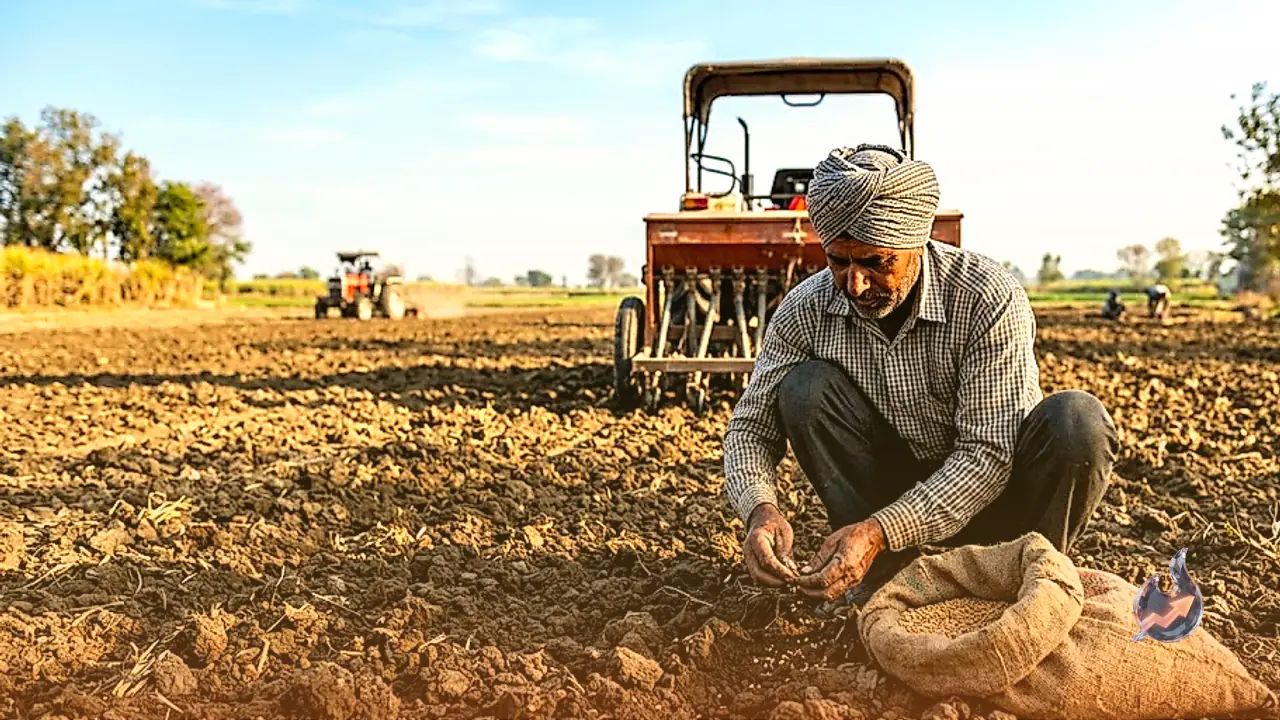
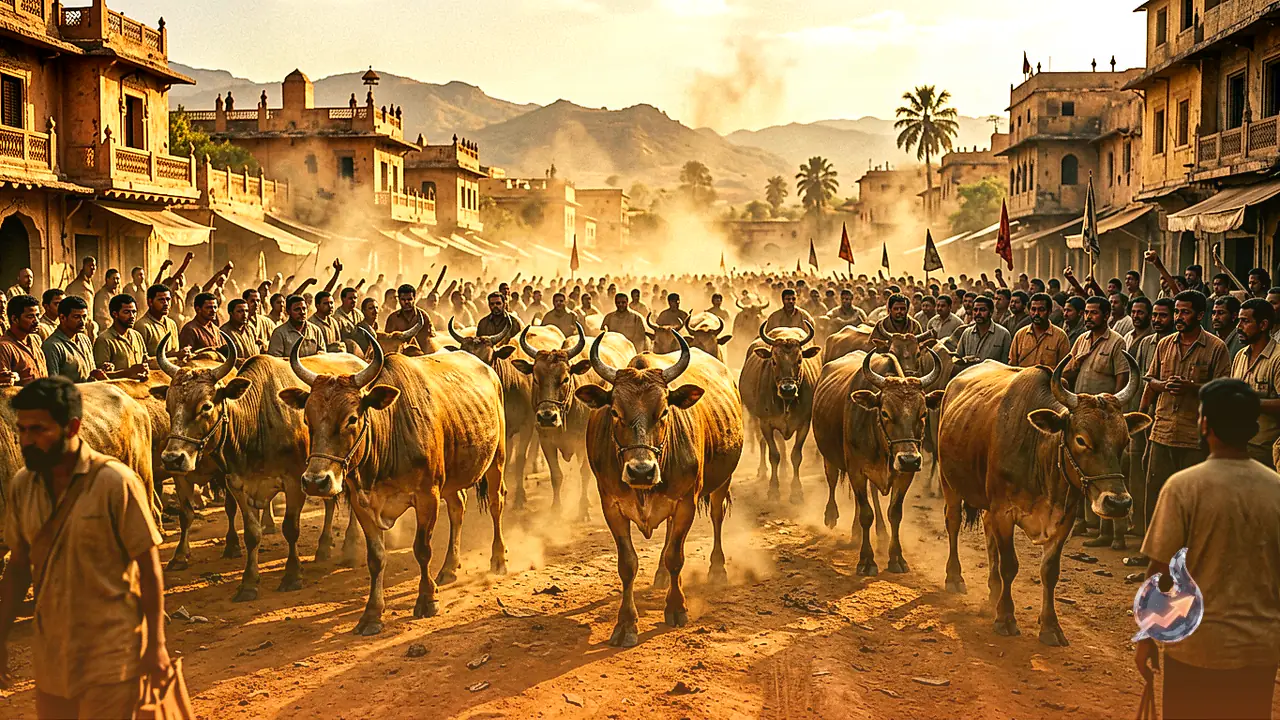
The defining feature of the fair continues to be the famed Nagaur breed of bulls. Known for their robust physique, swift pace, and striking appearance, Nagaur bulls maintain a high demand well beyond the borders of Rajasthan. Traders from neighboring states including Uttar Pradesh, Haryana, and Punjab are traveling to Parbatsar specifically to purchase these animals. Punjab traders in particular show a keen interest in Nagaur bulls, as several buyers acquire them for racing and various traditional rural competitions.
Inaugural Rituals and Market Setup
The Veer Teja Animal Fair was formally inaugurated on Friday by Sub-Divisional Magistrate Balbir Singh Chauhan, who hoisted the flag at the fairground. Following the ceremony, local officials and public representatives visited the historic Veer Teja temple to offer prayers and perform rituals. Alongside the opening, shops selling essential items such as timber, bamboo, and tarpaulins began setting up across the grounds. With the rise in animal arrivals on Saturday, local villagers have also started visiting in larger numbers.
Shifting Scale and Historical Context
There was a time when the Veer Teja Animal Fair used to attract roughly one lakh animals, transforming the location into a massive hub for livestock trade. Over time, the scale of animal arrivals has become considerably restricted. At present, the fair records an inflow of only about 2,000 to 3,000 animals. Local traders note that the massive crowds and extensive trading volumes of the past are no longer visible, but the unique reputation of Nagaur bulls helps sustain much of the event's traditional glory.
Changes in Pricing Dynamics
Significant shifts have also been observed in the market prices of Nagaur bulls over the years. According to local traders, approximately 12 years ago, a prime pair of Nagaur bulls could fetch as much as 2.21 lakh rupees. Today, a comparable pair commands roughly 80,000 to 85,000 rupees. While this price drop reflects a broader contraction in livestock trade and a transformed fair format, dedicated traders from other states continue to arrive in search of strong, well-built animals.
Administration and Security Challenges
With the growing number of animals on the second day, the administration faces the ongoing challenge of managing logistics and crowd control. The Animal Husbandry Department and local authorities are focusing heavily on essential amenities such as electricity, drinking water, cleanliness, and veterinary care. Police deployment has been stepped up to maintain law, order, and smooth traffic movement. Visiting traders have urged authorities to increase patrolling within the fairgrounds and strengthen surveillance in crowded zones.
Outlook for the Coming Days
Animal arrivals are expected to pick up further on Sunday as the fair progresses. The presence of local breeders alongside external traders is likely to infuse more vibrancy into the grounds. Although the fair no longer sees the monumental crowds and massive financial turnovers of previous decades, the persistent demand for Nagaur bulls remains its greatest asset, preserving the unique stature of the Veer Teja Animal Fair among livestock traders nationwide.