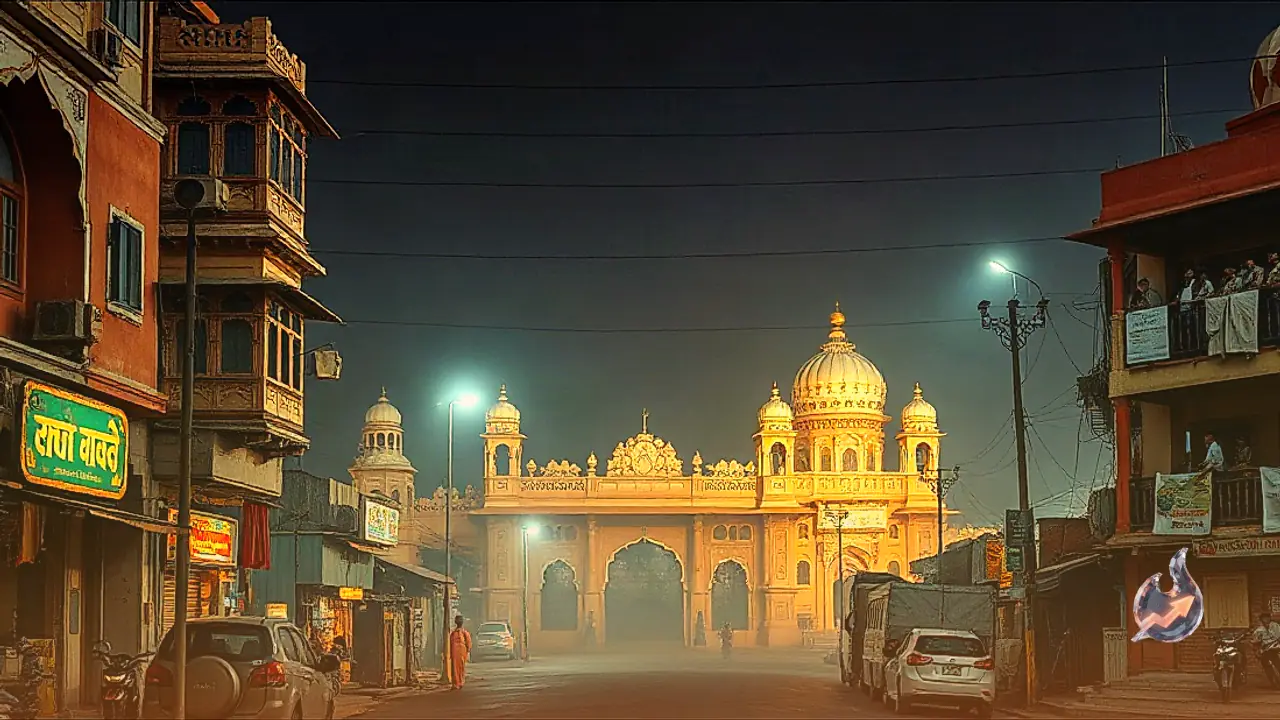























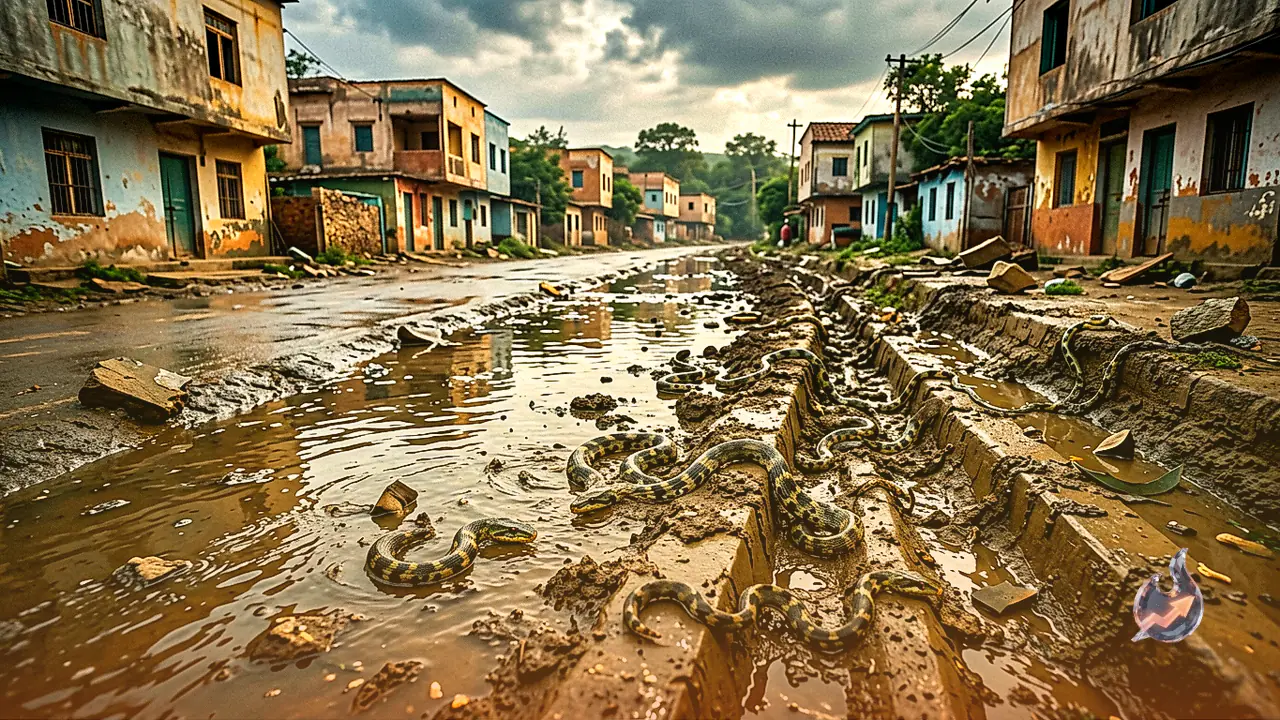

In Ward Number 10 of Dholpur city, Rajasthan, severe infrastructure collapse in Mansarovar Colony has turned daily living into an ongoing ordeal for its residents. Stagnant sewer water and severe waterlogging are no longer temporary monsoon inconveniences, but a permanent disruption to normal life. The streets of the neighborhood remain flooded with filthy, foul-smelling wastewater day after day. During rainfall, the crisis worsens as the contaminated water routinely breaches residential doorways and enters living quarters, forcing families to remain confined inside their houses.
Blocked Lanes, Dense Weeds, and Impassable Mud
Conditions across the inner lanes of the colony have deteriorated to the point where several thoroughfares have remained completely impassable for nearly two years. The continuous accumulation of filthy sewage water makes walking or driving two-wheelers nearly impossible. Due to long-term water stagnation, thick weeds and wild vegetation have overrun the flooded lanes, totally concealing the unpaved road surfaces underneath. The lack of concrete paving means that even light precipitation turns the unpaved tracks into deep, slippery mud, posing daily safety hazards for everyone in the neighborhood.
Encroaching Snakes and Educational Disruption for Children
The persistent standing water has brought health hazards along with safety threats. Toxic snakes are frequently spotted swimming through the filthy water and emerging onto residential pathways, often slithering inside homes. This ongoing danger has instilled widespread fear, making parents hesitant to allow young children and senior citizens outside. School-going children must wade through filthy sewage and mud every single day just to reach their classes. During heavy rains when water levels rise further, children are frequently unable to attend school at all, causing serious setbacks to their education.
Decades of Deprivation and Flooded Religious Sites
Longtime homeowners report that basic civic infrastructure has been neglected for decades. Bhagwati Singh Parmar, who has resided in Mansarovar Colony since 1998, pointed out that approximately 28 years have elapsed without a single paved road being constructed in the area. The entire locality still relies on unpaved earthen tracks. Blocked sewer lines and uncleaned drainage channels mean wastewater has nowhere to go. The overflow has now reached the local temple, surrounding the place of worship with filthy water and making it extremely difficult for devotees to access it.
Cross-Colony Water Flow and Civic Apathy
Another resident, Rajkumar Sengar, who moved to the colony in 2002, explained that the sewage system failure has intensified over the past 4 to 5 years. Temporary unpaved drains constructed years ago have become completely clogged. To make matters worse, runoff and wastewater from adjacent areas, including Jagdamba Colony and Anand Nagar Colony, drain directly into Mansarovar Colony due to its lower elevation. Rakesh Parmar, a resident since 1996, voiced frustration over the fact that in nearly 30 years, municipal authorities have failed to lay down even basic gravel or soil. Elected representatives frequently visit during election campaigns to ask for votes, but ignore the community once balloting ends.
Dignity Impaired in Grief and Demands for Urgent Relief
The lack of basic sanitation affects every aspect of human life in the colony, including bereavement. Local residents noted with distress that when a death occurs in the neighborhood, funeral processions are forced to wade through dirty sewage water. Resident Rahul emphasized that without functional drainage and maintained sewers, the threat of disease outbreaks and dangerous snake encounters remains constant. Troubled residents have urged the Dholpur district administration and municipal authorities to immediately construct paved roads, clear blocked sewer lines, and implement a permanent drainage mechanism to bring lasting relief to the community.