



















Residents across the border farming hub of Sri Ganganagar in Rajasthan are experiencing an unusual resurgence of severe heat this October. While early autumn typically ushers in milder conditions, intense sunshine and elevated humidity levels have thrown normal life out of gear throughout the region. The sudden surge in temperatures has forced households and workplaces to keep cooling appliances running at full capacity, reversing the seasonal shift that usually sees ceiling fans and desert coolers switched off.
Blazing Sun and Humidity Disrupt Daily Routine
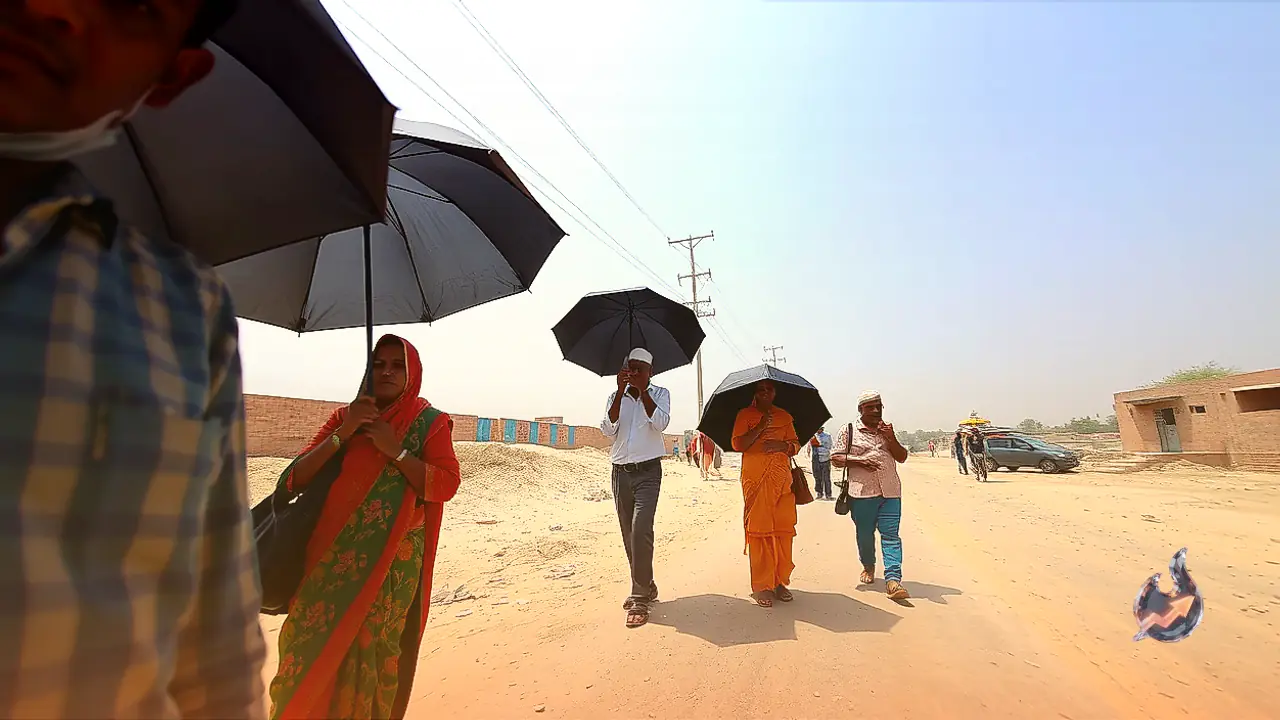
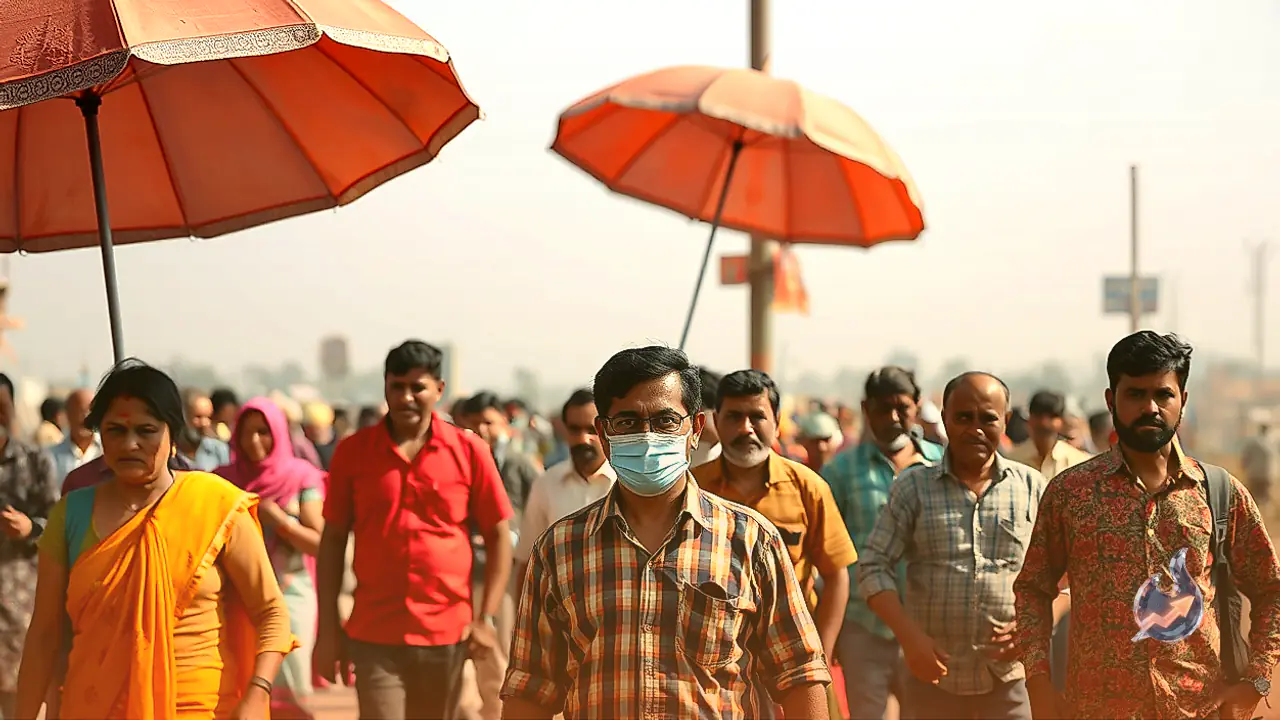
The harsh weather shift has altered everyday routines across towns and villages in the district. Clear morning skies quickly give way to scorching sunlight before midday. By early afternoon, gusts of hot air sweep through main thoroughfares, thinning out foot traffic across central marketplaces and public squares. Most locals are avoiding unnecessary travel during peak afternoon hours to escape direct exposure to the sun.
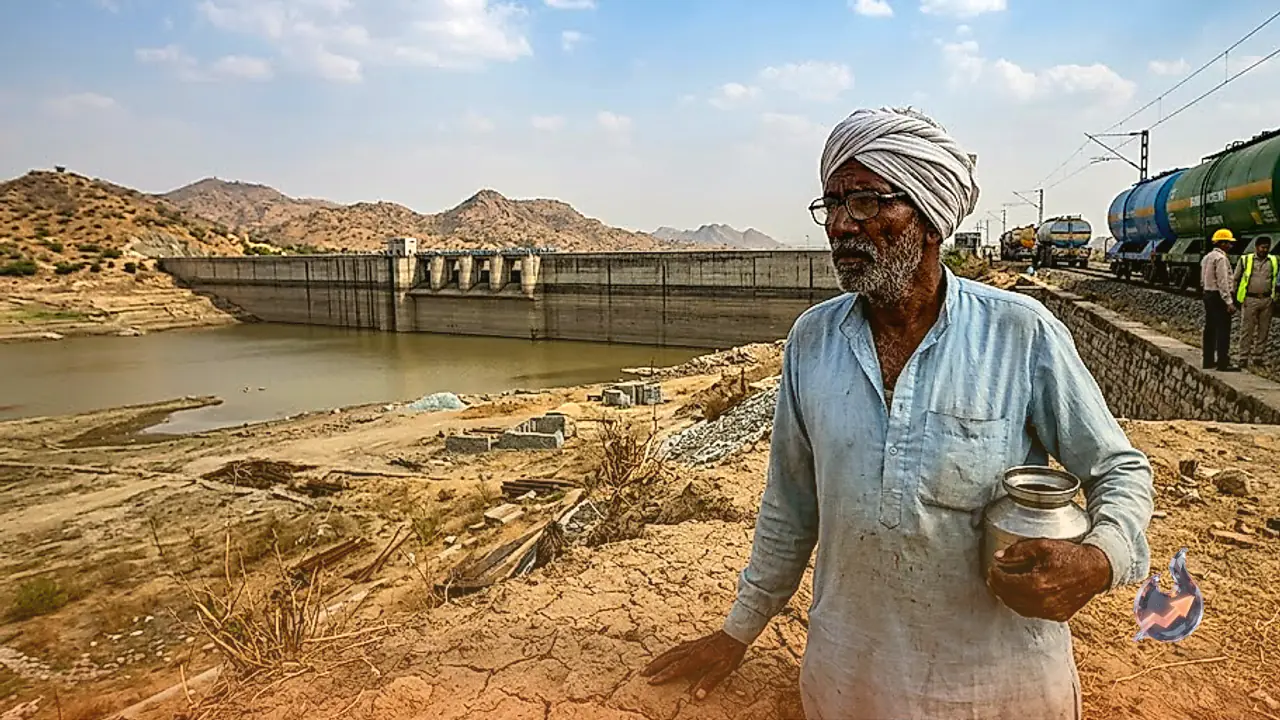
The current conditions are proving particularly demanding for agricultural workers tending to fields as well as manual labourers engaged in outdoor construction projects. The combination of intense solar radiation and stifling humidity triggers rapid physical exhaustion and profuse sweating. Meteorological reports attribute this sharp temperature rise to the district's distinct geographic positioning alongside regional atmospheric conditions.
District Records State's Second-Highest Daytime Temperature on Sunday
Official observations released by the meteorological department confirmed that the maximum temperature in Sri Ganganagar reached 40.6 degrees Celsius on Sunday. Standing substantially above seasonal norms, this reading made midday movement exceedingly difficult across the district. Those caught outdoors were seen seeking shade under roadside trees and sheltering from the harsh rays. Notably, this 40.6-degree figure ranked as the second-highest maximum temperature recorded anywhere in the state of Rajasthan, underscoring the severity of the localized heatwave.
Warm Nights Offer Little Relief as Stifling Humidity Lingers
Nightfall has brought virtually no respite from the persistent heat. Minimum temperatures across the district remain parked around 26 degrees Celsius. Ground and structural heat accumulated during daytime hours struggles to dissipate after sunset, which, when combined with elevated humidity, creates muggy nighttime conditions. Sleeping comfortably remains impossible without continuous use of air coolers and air conditioning units.
Weather specialists indicate that daytime and nighttime temperatures are likely to remain elevated until an active western disturbance or significant atmospheric system develops over northwestern India. Until such weather systems trigger cooling winds or cloud cover, residents of the border belt will have to wait longer before experiencing typical seasonal relief.