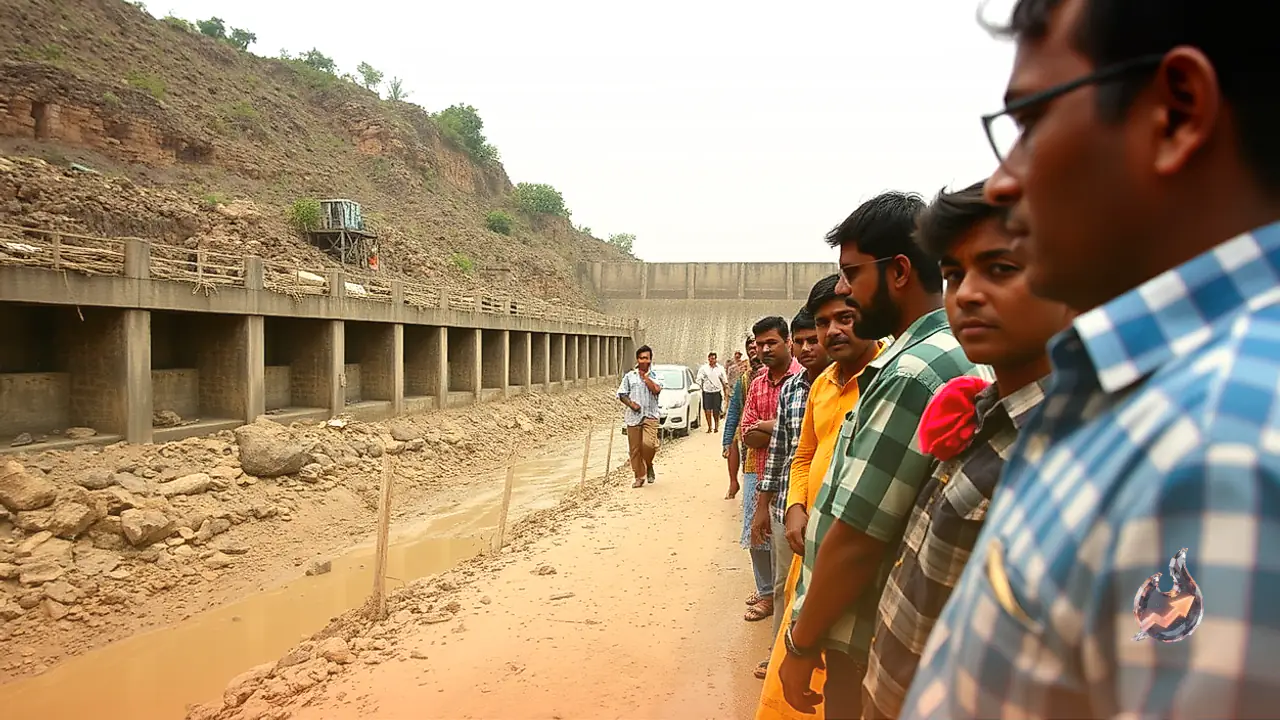

















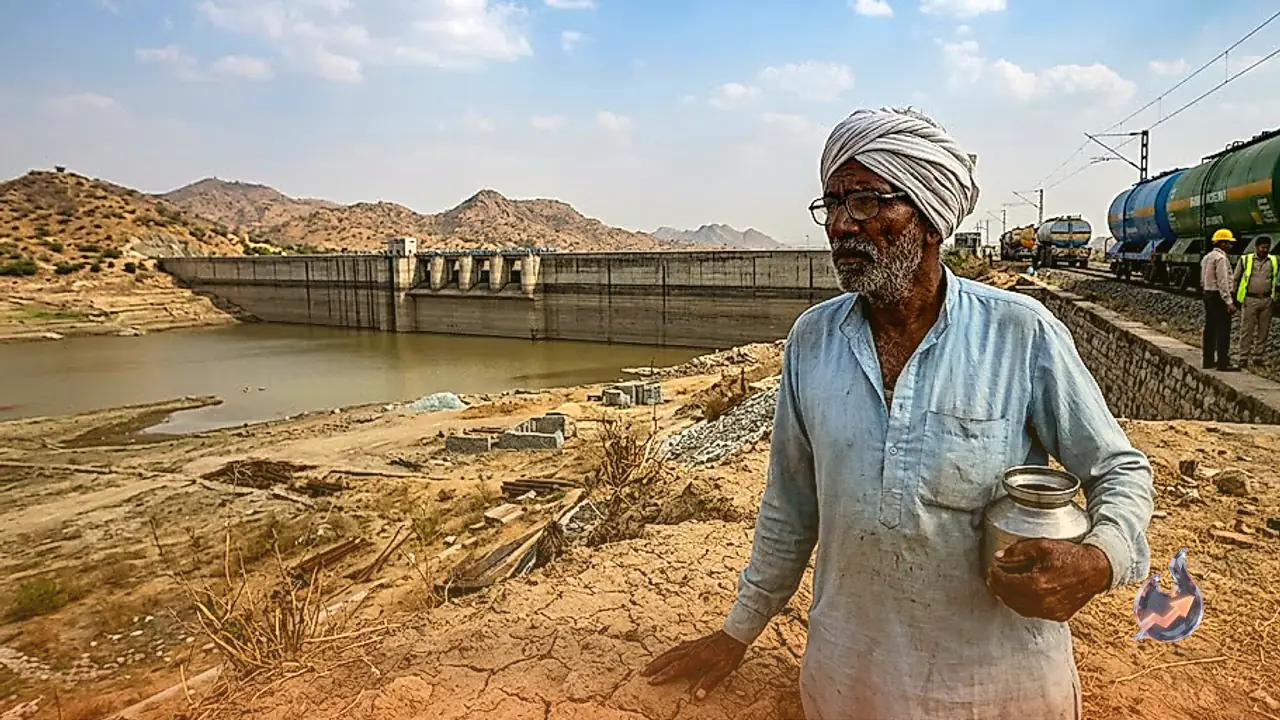

Pali district in western Rajasthan is staring at a severe drinking water shortfall as scant monsoon rainfall has left local reservoirs near depletion. With the district's primary water body recording an alarming drop in reserves, civil authorities are looking into contingency plans to prevent an acute supply breakdown. Official circles are once again actively considering running dedicated water trains from Jodhpur, an emergency measure previously deployed during harsh drought spells.
Inter-Departmental Coordination and State Proposal
Managing this impending shortage requires structured coordination across three critical agencies: the Public Health Engineering Department (PHED), the regional power distribution company (Discom), and the North Western Railway. A formal proposal is being drafted for submission to the state government to secure approvals and budget allocations before existing supplies run critically low. The reservoir, which historically fulfilled drinking water requirements across a wide region, now faces a situation where its own catchment area must rely on outside intervention.
Historical Origins Under Maharaja Umaid Singh
The construction of this vital reservoir was conceptualized as a lasting defense against recurring famines and water scarcity that plagued both people and livestock in the princely state of Jodhpur. The foundation stone was laid on May 12, 1946, by the Maharaja of Jodhpur, Umaid Singh. The massive engineering work was executed under the technical oversight of renowned engineers Edgar and Moti Singh, turning it into a cornerstone of regional water security.
Storage Capacity and Present Depletion Metrics
Widely recognized as the largest dam in the Marwar belt, the reservoir initially catered to drinking and irrigation demands across Jodhpur and adjacent areas. Following the integration of Jodhpur into the Indira Gandhi Canal network, the dam's allocation was permanently reassigned to meet the needs of Pali district. At full capacity, the reservoir can hold up to 61.25 feet of water, corresponding to approximately 7300 million cubic feet.
Currently, the water level has plummeted to just 24 feet. According to consumption metrics from the water department, this remaining reserve is sufficient to sustain Pali city and its connected rural settlements for merely three months, or roughly 90 days of regulated supply.
History of Water Trains and Operating Economics
The operational history of transporting water by rail to Pali dates back to July 25, 2002, when the first water train was flagged off from Bhagat Ki Kothi railway station in Jodhpur. Similar emergency operations were subsequently activated in 2009, 2016, 2019, and 2022. Each specialized train typically comprises 40 tanker wagons, transporting between 20 to 21 lakh liters (2.1 MLD) of potable water per trip.
The railway administration charges freight fees from the water department for these journeys. A single round trip entails an average expenditure ranging from 4 lakh to 4.5 lakh rupees. Maintaining a steady pipeline requires four to five trips daily, pushing the routine daily operating bill to between 18 lakh and 22 lakh rupees.