




















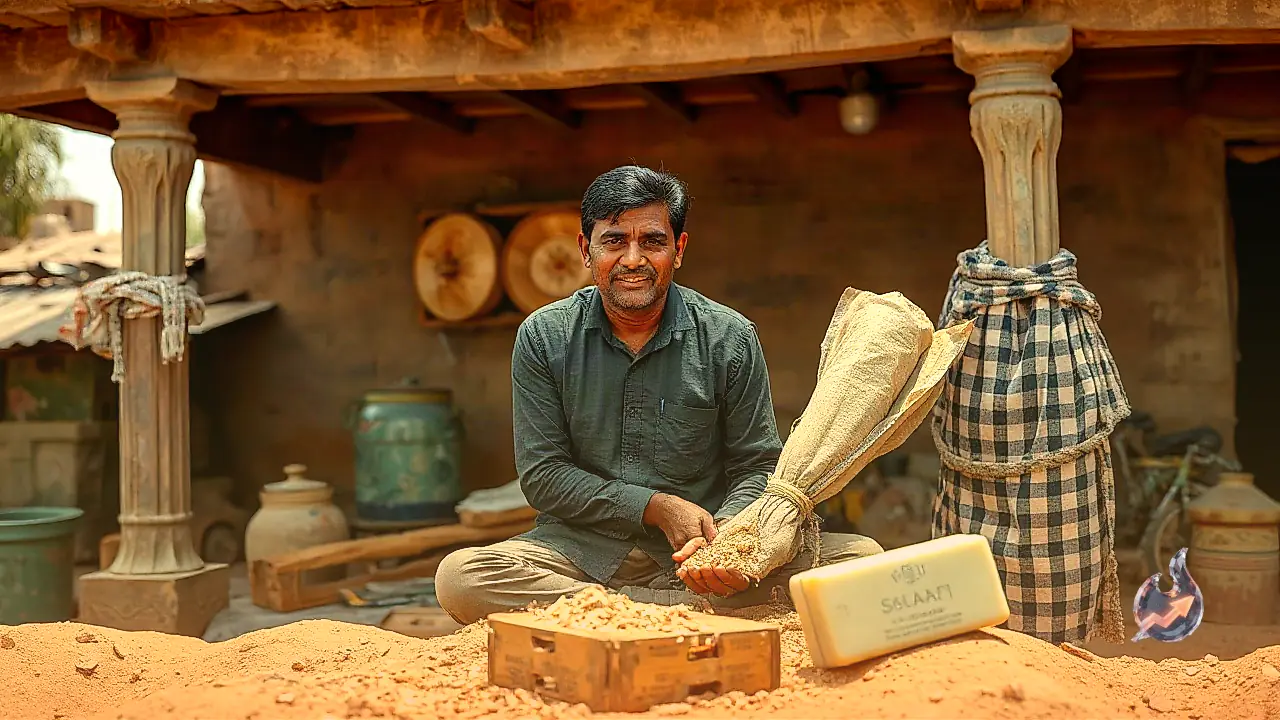

A remarkable shift in rural entrepreneurship is underway in Rajasthan's Pali district, where young farmer Nirmal Choudhary has moved away from conventional farming methods to establish a unique venture. Recognizing the medicinal and nourishing properties of camel milk, he decided against selling it purely as raw milk. Instead, he developed a value-added skincare product in the form of natural herbal soap, which is now seeing substantial demand across consumer markets.
Why Soap Production Took Precedence Over Other Dairy Products
Camel milk is widely recognized for its diverse health benefits, and commercial markets currently offer products ranging from camel milk powder to specialty chocolates. However, Choudhary deliberately opted for artisanal soap. Setting up infrastructure for milk powder or chocolate requires heavy capital investment, specialized machinery, and complex manufacturing cycles. In contrast, soap crafting requires straightforward processes that local women can effortlessly master within their household spaces. Furthermore, transporting fresh camel milk to distant urban centers while preserving its quality remained a significant logistical hurdle. Transforming the milk into soap locally provided an effective, shelf-stable value-addition strategy.
Adapting Strategy to Overcome Early Consumption Hurdles
During the initial phase of the venture, sales of raw liquid milk did not reach anticipated levels. Faced with stagnant daily off-take, the enterprise shifted its primary focus to making skincare bars. Soap manufacturing utilizes generous quantities of camel milk and butter, ensuring that surplus raw dairy is absorbed efficiently on site. The resulting natural soap delivers notable dermatological advantages. It has shown positive results in soothing skin irritation, reducing itching, and managing various common skin concerns, which has steadily expanded its appeal among health-conscious buyers.
Empowering Over 35 Herding Families and Rural Homemakers
Choudhary's innovative venture has extended far beyond product manufacturing, generating vital financial support for the local rural community. Currently, more than 35 traditional camel-rearing families are directly affiliated with this project. Raw camel milk is purchased straight from these pastoral households, securing a reliable income channel for their livestock operations. Simultaneously, neighborhood women have gained a flexible home-based employment avenue through soap fabrication. The finished bars sell smoothly, with customers warmly receiving their natural ingredients and artisan quality.
Opportunities for Women to Participate from Home
Households and women who maintain camels can integrate into this expanding network to generate sustainable domestic income. Because the production method is accessible and practical, homemakers can craft the soaps from home alongside their regular family routines. Individuals interested in joining this self-employment model can connect directly with Milk Station owner Nirmal Choudhary. Comprehensive guidance, onboarding steps, and detailed operational information have also been made available on the Milk Station website, allowing prospective partners to participate in this growing business model.