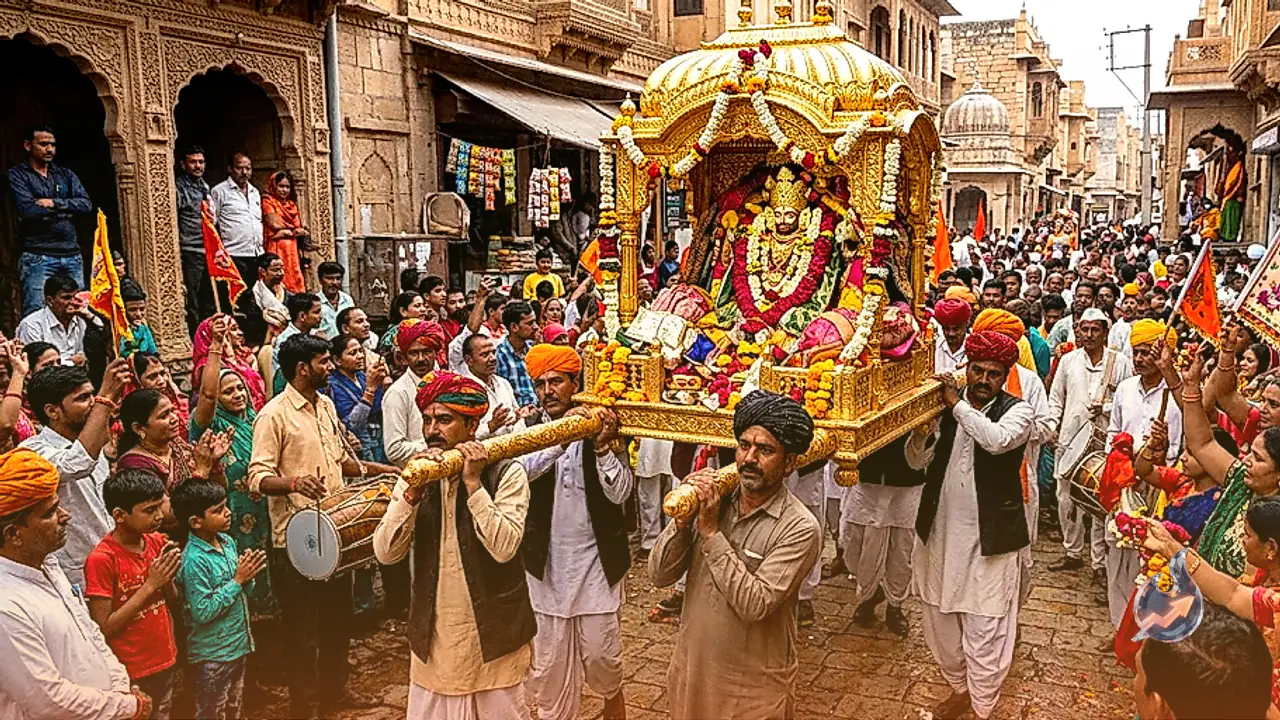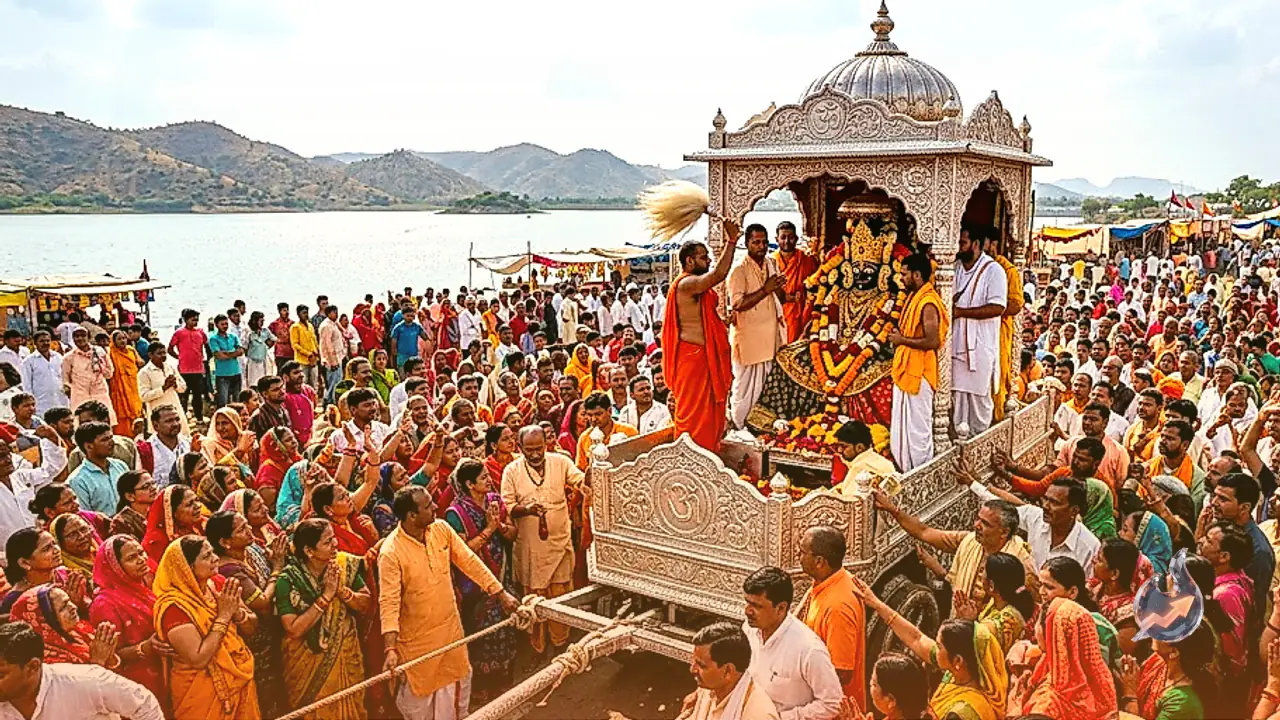




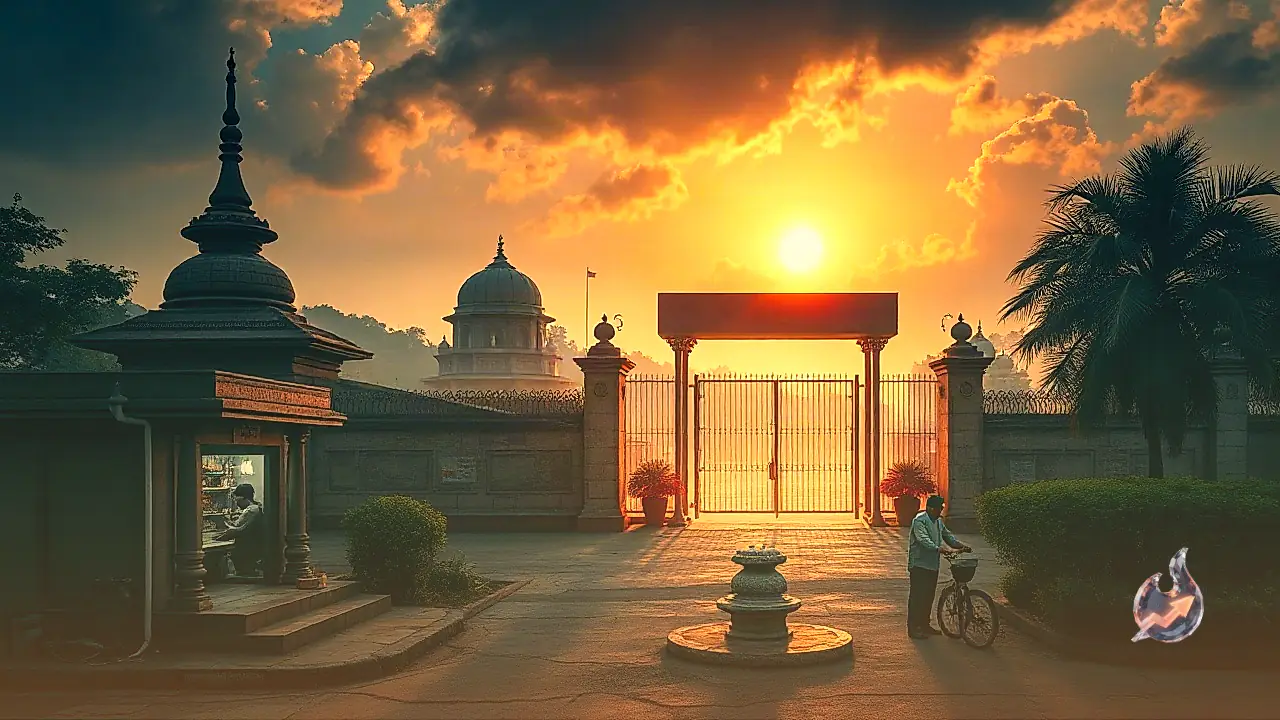














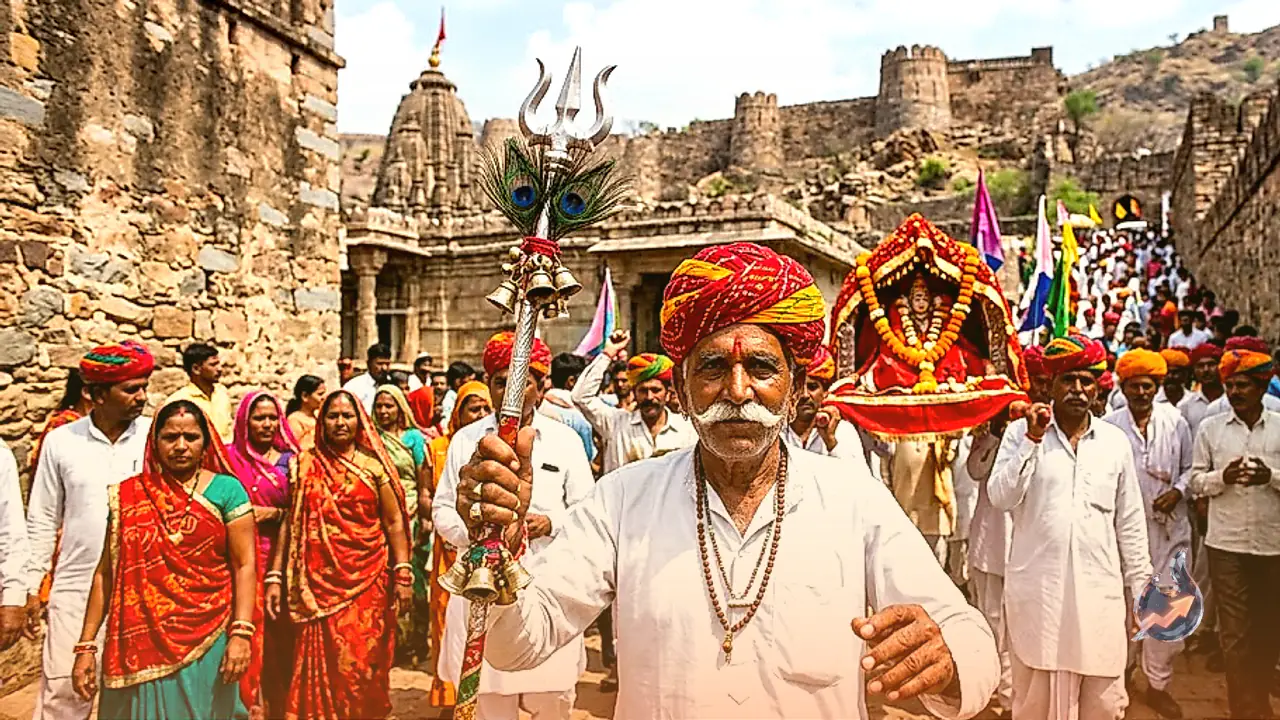

In the Sirohi district of Rajasthan, the revered two-day annual fair dedicated to the presiding deity, Lord Saraneshwar Mahadev, commences on the auspicious occasion of Devjhulni Ekadashi with profound spiritual devotion and cultural grandeur. This historic gathering is far more than a conventional religious festival; it stands as an enduring emblem of the courage, military struggle, and decisive triumph of the princely state of Sirohi and the local Dewasi community against invading forces led by Alauddin Khilji. On the day of Devjhulni Ekadashi, a magnificent royal procession carrying the palanquin of Thakurji, known locally as a Rewari, departs from the royal palace of Sirohi amidst stately grandeur. According to Devwat Singh, a member of the Sirohi royal family, the foundational roots of the Saraneshwar fair date back to the year 1298, commemorating an epochal conflict fought centuries ago.
The Battle of Siranwa Hills and the Defense of Rudramal's Shivalinga
Historical accounts record that this fierce armed engagement took place in Vikram Samvat 1355 on the eleventh day of the bright half of the month of Bhadrapada, known as Gyaras. During that era, the princely state of Sirohi was governed by Maharao Vijayraj Deora. Forces belonging to the Khilji army had plundered the sacred shrine of Rudramal in Siddhpur, Gujarat, and were carrying away the consecrated Shivalinga. Determined to rescue the revered idol and prevent its desecration, Maharao Vijayraj Deora resolved to intercept and launch an offensive against the retreating Khilji troops. A brutal battle unfolded at the foothills of the Siranwa hills in Sirohi. In this critical military confrontation, the Dewasi community joined forces with the Sirohi army, displaying remarkable valor that ultimately routed the Khilji battalions and forced them to flee the battlefield.
Honoring the Dewasi Community Through Century-Old Traditions
To honor the decisive triumph achieved against the Khilji forces and acknowledge the pivotal assistance rendered by the Dewasi community, Maharao Vijayraj Deora instituted a profound tradition. He granted the Dewasi community the official authority to organize and oversee the Saraneshwar fair on Devjhulni Ekadashi. Additionally, a customary practice began whereby the administration and custody of the temple were handed over to the Dewasi community for a single day, an honor that continues to be meticulously observed in modern times. Consequently, this gathering on Devjhulni Ekadashi remains an inspiring symbol of courage, communal solidarity, and historic sacrifice for members of the Dewasi community.
Grand Royal Procession Commences from Padmanabh Temple
Every year on Devjhulni Ekadashi, these heritage rituals are conducted with traditional majesty. When the state of Sirohi was formally established in 1425, the Padmanabh Temple was constructed near the premises of the royal palace. In accordance with age-old custom, the principal palanquin carrying Thakurji departs first from this very shrine. As the regal procession winds through the primary thoroughfares of the city, local palanquins from various neighborhoods progressively join the ceremonial march. The grandeur of the Rewari is heightened by uniformed horse-mounted riders and marching infantry personnel, lending an authentic royal aura to the spiritual journey. The entire procession steadily navigates through major city avenues before concluding at the city's Chhota Talab.
Ceremonial Bath at the Lake and the Gathering of Pilgrims
Upon reaching the Chhota Talab, the idol of Thakurji is offered a ceremonial ritual bath, bringing the sacred procession to its formal conclusion. Immediately following this ritual, the extensive festivities of the Saraneshwar fair commence in full swing. Until the following day, thousands of members belonging to the Dewasi community assemble at the temple grounds. Devotees travel in substantial numbers not only from Sirohi district but also from across Rajasthan and neighboring Gujarat to pay homage to their courageous ancestors who defended the realm. Lord Saraneshwar Mahadev serves not only as the presiding family deity of the Sirohi royal lineage but is also deeply venerated across neighboring districts such as Jalore and Pali. The deity commands immense devotion throughout southwestern Rajasthan, drawing throngs of pilgrims from multiple districts to seek blessings on Devjhulni Ekadashi.