






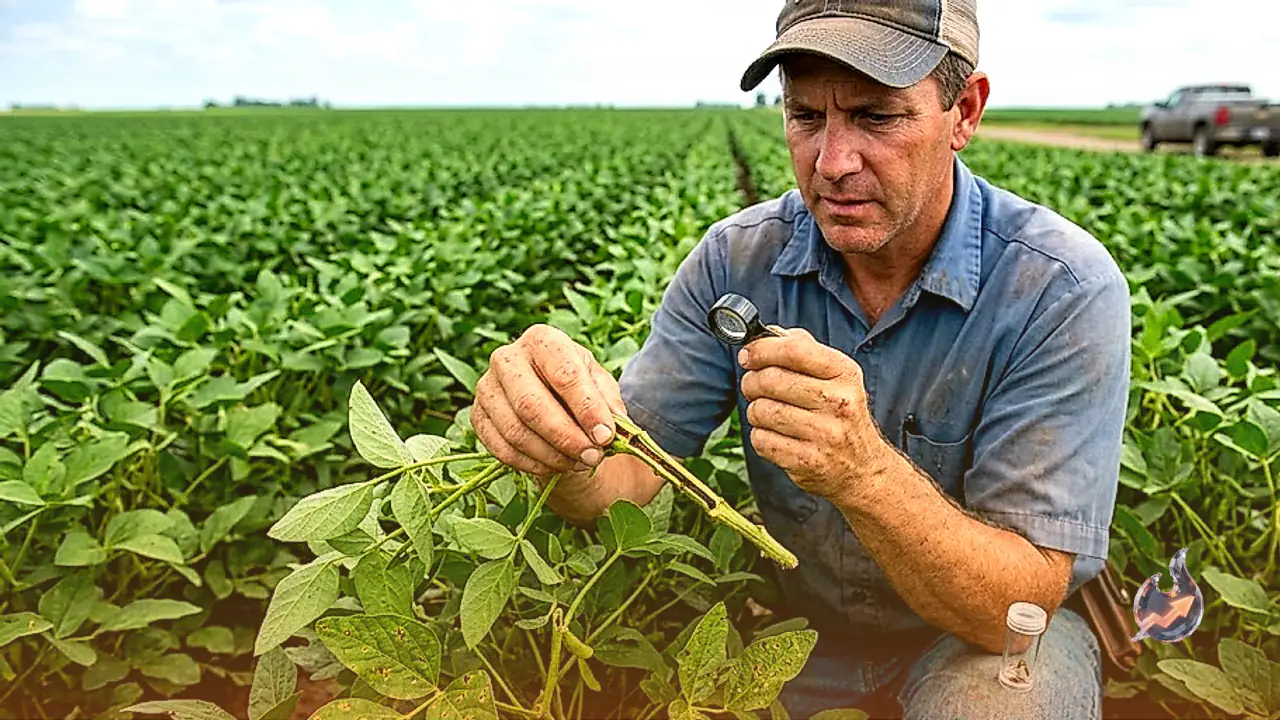















Soybean crops are currently passing through a critical and sensitive growth phase where plants are developing rapidly and pod formation is underway. During this crucial stage, it is imperative for farmers to maintain regular and vigilant surveillance of their fields, as favorable conditions can trigger sudden pest infestations. According to agricultural expert Bajrang Singh, the incidence of destructive pests such as semi-looper caterpillars and girdle beetles increases significantly during this period. These pests directly attack the leaves and stems, severely hampering the normal growth of the plants and ultimately leading to a substantial drop in overall yield. Under such circumstances, farmers must inspect their fields routinely and take prompt, timely control measures at the very first sign of these pests to minimize potential crop damage.
Semi-Looper Caterpillar Damage And Control Methods
Semi-looper caterpillars feed extensively on soybean leaves, causing severe damage to the foliage. In the early stages of infestation, small holes appear on the leaves, which are often overlooked by farmers. However, as the pest population multiplies, they consume the entire leaf tissue, leaving behind a net-like skeleton that critically affects the plant's ability to photosynthesize and grow. To control this specific pest effectively, farmers can utilize profenofos 50 EC by mixing 2 milliliters of the chemical per liter of water for spraying. Before undertaking any spraying operation, it is essential for farmers to assess the exact pest situation and infestation levels in the field, as control measures should always be tailored to the severity of the attack.
Managing Girdler Beetle Infestations On Stems
According to agricultural experts, the girdle beetle is a major pest that targets the stems and branches of soybean plants. The feeding activity of this pest creates a weakened spot or girdle on the stem, making the plant highly susceptible to branch breakage during winds or heavy growth phases. In many instances, the affected upper portions gradually begin to dry out, which has a direct and detrimental impact on plant height and pod development. If farmers notice such affected plants in their fields, they must step up their regular monitoring. Furthermore, based on the assessment of the infestation, they should consult agricultural specialists to apply appropriate insecticides in a timely manner to keep the crop safe from extensive damage.
Combating Leaf Spot And Pod Blight Diseases
Alongside insect pests, the threat of fungal diseases such as leaf spot and pod blight also tends to escalate during this phase of the crop cycle. Farmers need to regularly inspect leaves and developing pods as soon as any initial symptoms of disease appear. For the prevention and management of these fungal infections, farmers can apply a combination of picoxystrobin 7.05 percent plus propiconazole 11.71 percent SC at the recommended rate of 1 liter per hectare. However, prior to using any insecticide or fungicide, it is mandatory to follow all guidelines and recommended dosages printed on the product label. Farmers must ensure that chemical treatments match the exact health condition of the crop and the severity of the disease outbreak.
Continuous Monitoring And Safe Application Practices
Agricultural expert Bajrang Singh emphasized that merely spraying chemicals is not sufficient; continuous and careful monitoring of the crop is equally vital for success. Farmers are advised to inspect plant leaves, stems, and pods thoroughly either in the early morning or late evening hours to detect early symptoms of pests and diseases in a timely manner. He strongly advised against unnecessary and repetitive spraying of pesticides. Instead of mixing different chemical formulations without professional guidance, farmers should strictly follow the specific drugs, dosages, and application methods recommended by the agricultural department or certified experts to ensure safety and maximum effectiveness.
Balanced Nutrition, Drainage, And Weed Management
Achieving a bountiful and healthy soybean harvest requires maintaining balanced nutrition along with optimal moisture levels in the soil. Prolonged waterlogging or excessive moisture in the field can significantly elevate the risk of various diseases, whereas inadequate water supply adversely affects plant growth and pod filling. At this juncture, farmers must ensure proper drainage systems are active in their fields while placing special emphasis on weed control. Weeds aggressively compete with the main crop for essential nutrients, water, and sunlight. Timely weed removal ensures that the soybean plants receive adequate nourishment and moisture while keeping the threat of disease outbreaks under check.