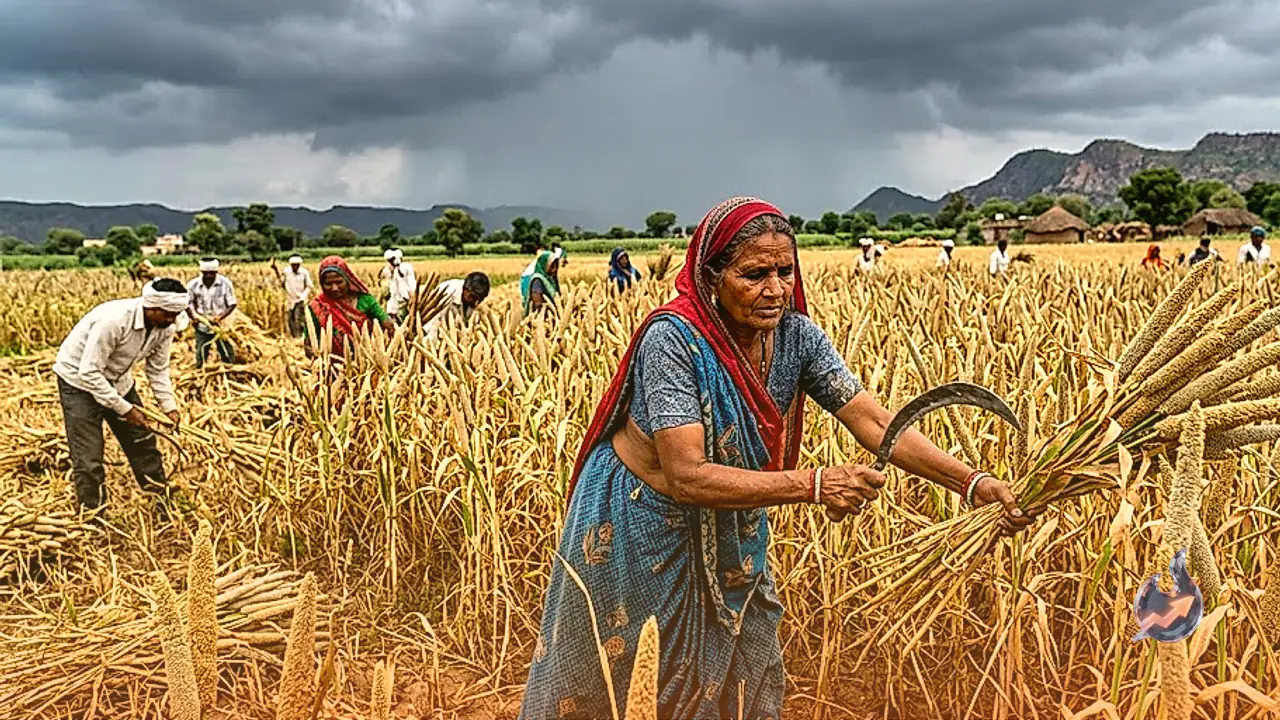
























Pali is currently experiencing erratic weather patterns characterized by blazing afternoon heat, chilly nights, and occasional unseasonal showers. This severe shift in atmospheric conditions has caused growing concern among residents. The constant fluctuation in temperature has resulted in a massive influx of patients at medical facilities across the state.
Hospitals are witnessing a rapid increase in cases involving viral fevers, seasonal flu, dengue, and upper respiratory tract infections. To address growing concerns about which pathogens are circulating, what early warning signs to watch for, and how to stay safe, well-known senior physician Dr. Alok Gupta has shared crucial health guidelines.
Why September and March see peak viral activity
Seasonal infections tend to spike during specific months of the year. Health experts point out that periods like September and March offer moderate temperatures that are neither too cold nor too hot. This transitional climate creates the ideal breeding ground for various bacteria and viruses to multiply rapidly.
Viruses are currently operating at peak activity levels. Key culprits include flu strains resembling swine fever, Covid-related pathogens, and respiratory viruses. Pneumococcal bacteria also become dominant during this timeframe. Additionally, certain waterborne pathogens capable of causing vomiting and diarrhea thrive in contaminated or poorly maintained water sources, which become more common during these months.
Essential prevention measures recommended by experts
To keep infections at bay, medical professionals advise avoiding crowded public gatherings altogether. Anyone experiencing cold or cough symptoms should wear a protective mask to prevent spreading the illness to others. People should thoroughly wash their hands with soap immediately after returning home from outside.
Dietary habits require careful attention during this period. Individuals must avoid consuming stale food or anything that appears spoiled. Eating out requires extreme caution because food handlers may lack proper hand hygiene, or the water used for washing utensils might be contaminated. Using dirty plates and contaminated water poses a high risk of catching infections.
Who needs extra protection during seasonal shifts
Certain high-risk groups require enhanced precautions during weather transitions. Adults over the age of sixty, expectant mothers, and very young children are particularly vulnerable. Furthermore, individuals battling preexisting conditions such as diabetes, kidney ailments, gallstones, pneumonia, or those undergoing long-term treatment for heart conditions and cancer must remain extremely vigilant.
Vulnerable individuals should completely avoid street food and crowded areas. Physicians also recommend that if anyone in a household develops cold symptoms or an infection, they should maintain a safe distance from elderly members, children, and pregnant women while wearing a mask indoors.