





















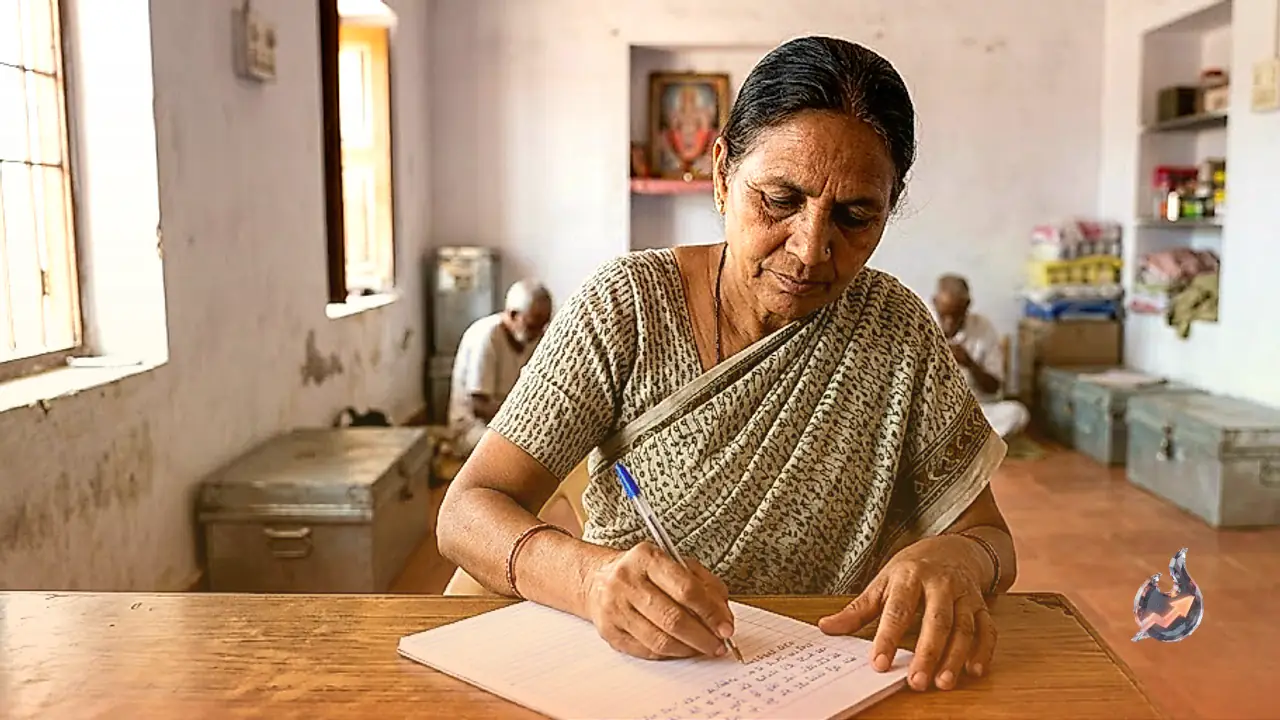

In the Sikar district, a remarkable center of service operates where genuine devotion transforms simple assistance into a profound act of worship. Located in Neemkathana, this special ashram begins its day not just with traditional prayers, incense, and lamps, but with a unique daily tradition of writing a letter to the deity. This is no ordinary piece of paper, but a detailed list of daily necessities for 89 individuals who have either been abandoned by their families or require societal support. The ashram community firmly believes that the needs recorded in these letters addressed to Thakurji are invariably fulfilled through the generosity of some compassionate benefactor in society.
A Unique Morning Routine at Shri Gyanchand Modi Apna Ghar Ashram
The day at the Shri Gyanchand Modi Apna Ghar Ashram in Neemkathana commences with a distinctive tradition. Keeping the daily requirements of the resident prabhujans in mind, a specific list of essentials is meticulously compiled every morning. Ashok Sharma, the president of the ashram, explained that this demand list typically includes items such as pure ghee, refined oil, mustard oil, flour, pulses, various spices, semolina, broken wheat, biscuits, seasonal fresh fruits, and other everyday utility goods. Once this detailed list is finalized, the ashram family places it with utmost devotion at the lotus feet of Thakurji.
Daily Care and Support for 89 Prabhujans
Following the offering of the list, the machinery of community support swings into action. Ashok Sharma stated that whether a requirement is small or large, the materials noted in the letter somehow materialize in one form or another. This steadfast belief has now become an integral part of the ashram operational framework. At present, 89 prabhujans reside within the premises. Among them, 67 display abnormal behavior, 6 are intellectually disabled, 2 lack limbs, 4 are speech and hearing impaired, 1 suffers from epilepsy, and 4 struggle with other severe illnesses. The ashram provides not merely shelter for these individuals, but complete arrangements for food, medical care, and the fulfillment of all daily necessities.
Food Service and Contributions in Memory of Loved Ones
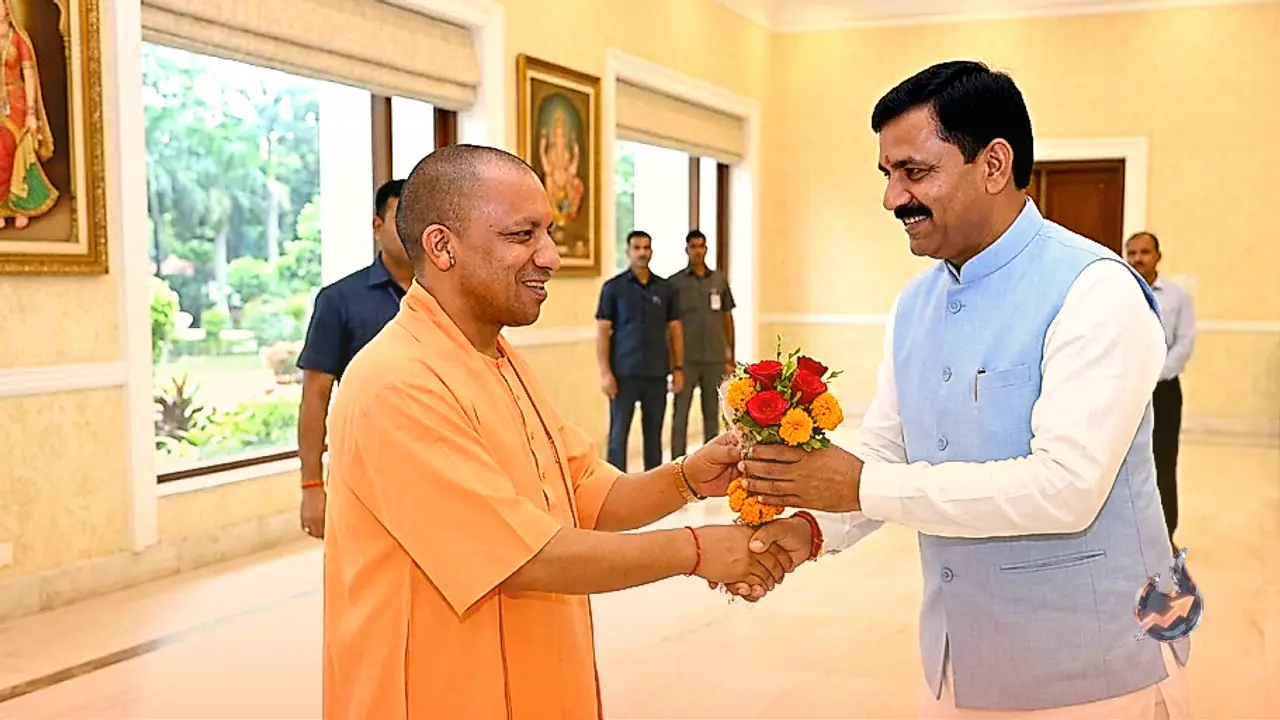
A notable aspect of the institution is that two units of food service are operated daily. Many families choose to celebrate their special occasions, death anniversaries, or other milestones by sponsoring meals for the ashram residents. The growing trust of the public can be gauged by the fact that advance bookings for food service during the upcoming Pitru Paksha have already been completed. Recently, another heartwarming display of this service ethos was witnessed when Mukesh रत्नाका (Ratnaka) and his wife Kavita provided meals to the prabhujans in sacred memory of their late father, Bajranglal रत्नाका (Ratnaka). Additionally, they presented a service counter to the ashram.
Cushioned Chairs and Expanding Community Participation
Ashok Sharma shared that Rakesh Dhiva, a resident of Gungara, along with his wife Santra Devi, also extended a helping hand to the ashram. The couple contributed 10 cushioned chairs and sponsored one unit of food service. Locals believe that the virtue of service is not confined to a single individual. When families come together to work for those in need, the spirit of service naturally passes down to the next generation. The ashram management emphasizes that collective participation strengthens the entire support system.
Prabhujans Returning to Normal Life
The true measure of the ashram success lies not merely in the headcount of its residents, but in the profound transformation observed in their lives. According to the ashram records, five prabhujans who previously stayed here have fully recovered and returned to lead normal lives. This demonstrates that the institution is much more than a provider of food and shelter. It actively endeavors to restore dignity, proper care, and a fresh opportunity for a normal existence to every destitute person who arrives at its gates. Consequently, the service initiatives connected with this ashram are progressively evolving into a widespread social responsibility, driven entirely by the continuous backing of compassionate community members.