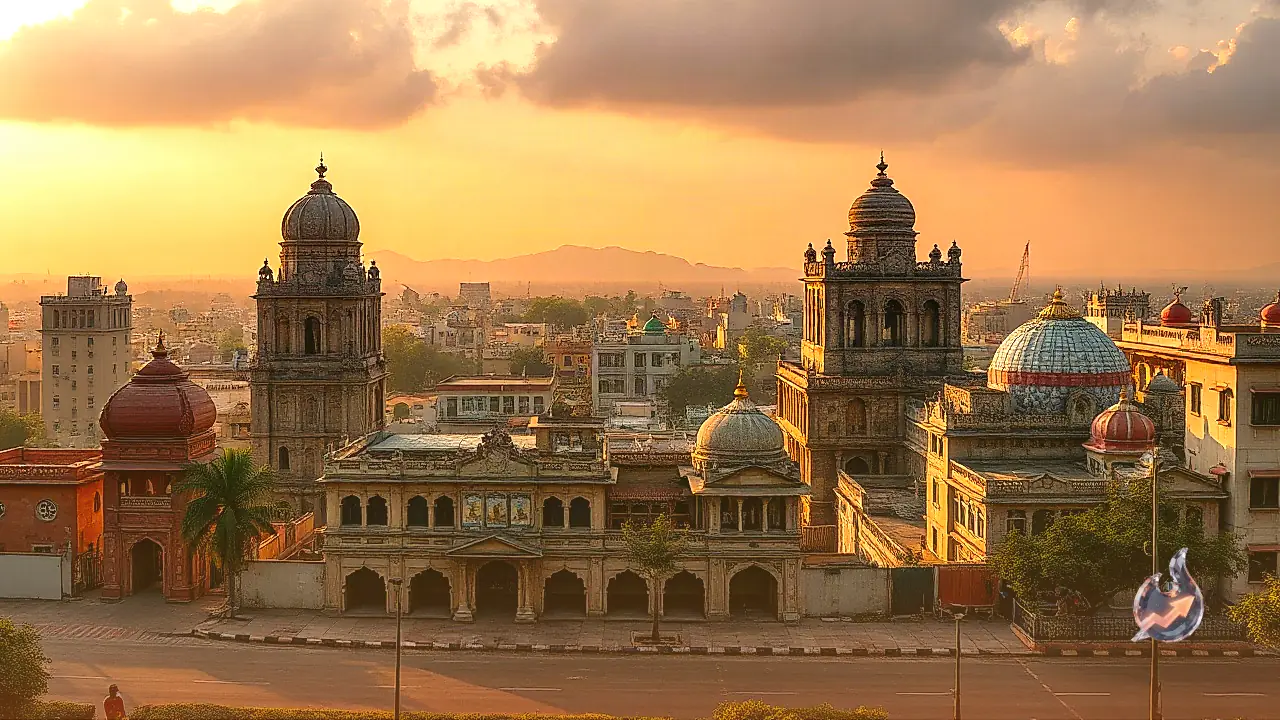


















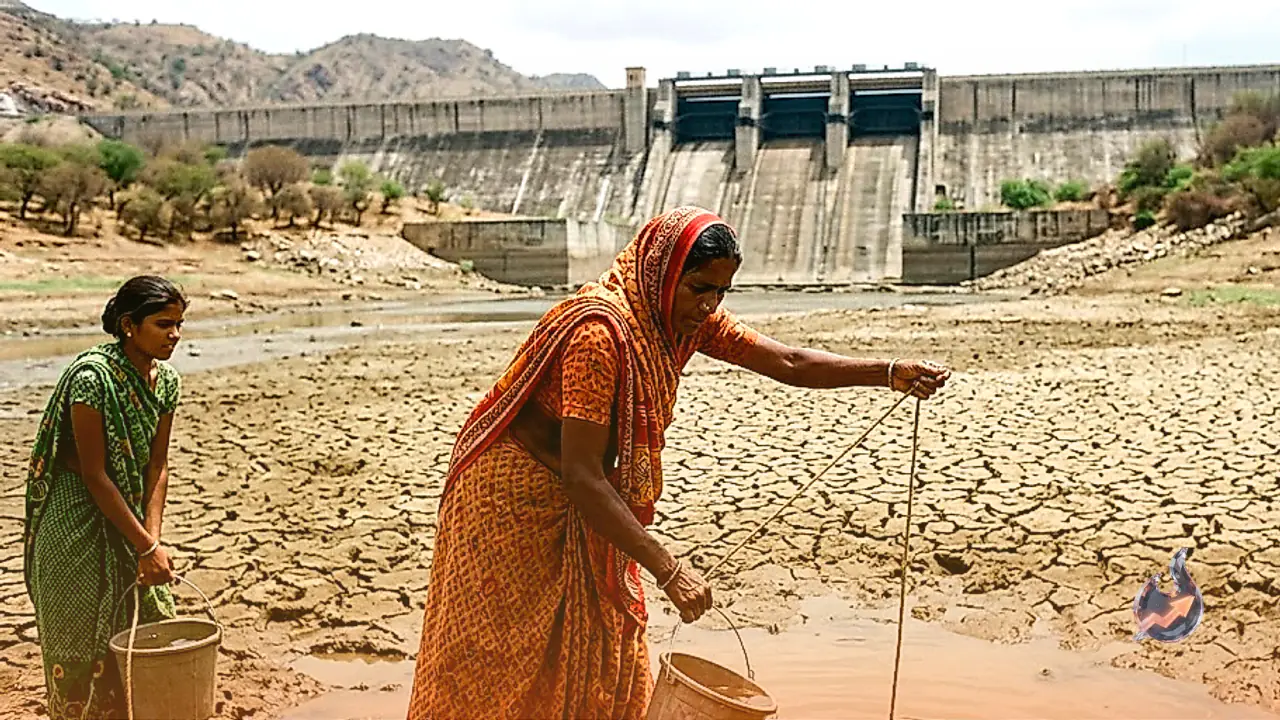

Monsoon rainfall across Rajasthan has proved disappointing this season, leaving many districts with precipitation levels well below the seasonal average. This deficit threatens to disrupt agricultural output and diminish water reserves across the state. Although roughly 15 days remain in the monsoon window, late showers can only partially offset the shortfall rather than bridge the entire gap in water storage.
Reservoirs Trail Last Year by 28 Percent
As the monsoon enters its final phase, the state of water storage in local reservoirs is raising serious concerns. Past the peak of the rainy season, 693 dams across Rajasthan have reached just 59.43 percent of their total holding capacity. The picture was vastly different during the same period last year when reservoirs stood at 87.21 percent capacity, translating to roughly 28 percent less water availability currently.
Carryover Water Provided a Strong Start
In a desert-prone state like Rajasthan, these figures represent the lifeline for drinking and irrigation needs in the coming months. The season began with a strong cushion thanks to leftover storage from the previous year, leaving dams at 44.46 percent capacity even before June 15. However, fresh inflows after June 15 hovered near only 15 percent, meaning expected runoff failed to materialize during the core monsoon months.
192 Dams Sit Completely Empty
The distribution of water across the region remains highly uneven, with 192 out of the 693 tracked dams sitting entirely dry. Only 72 reservoirs have managed to reach their maximum capacity, while 429 received some water but remain significantly below their designated limits. This leaves a vast majority of the state's water bodies holding partial stocks that will be strained in the months ahead.
Regional disparities are stark across the state. The Kota division leads with 74.33 percent storage, followed by Banswara at 60.79 percent, Jaipur at 59.81 percent, and Bharatpur at 52.88 percent. Udaipur division stands at 44.96 percent. The most critical condition is in the Jodhpur division, where reservoirs have filled to a mere 17.52 percent, highlighting severe dryness across parts of western Rajasthan.
Bisalpur Dam Falls Short of Full Capacity
The Bisalpur dam, which supplies drinking water to Jaipur and surrounding areas, has failed to reach its maximum limit and currently holds 74.87 percent of its capacity. Storage at the Isarda dam stands at 54.14 percent, while Jaipur's Ramgarh dam has remained entirely dry throughout the season. If rains do not pick up before the withdrawal of the monsoon, the state faces the prospect of navigating the next year on tightly rationed water reserves.
Looking Ahead at Conservation and Management
A severe water shortage impacts far beyond the immediate surroundings of the dams, rippling into farming, domestic supply, and groundwater tables. With hopes pinned on the final days of the weather cycle, authorities and residents face the challenge of strict water conservation. Historically known for traditional water harvesting techniques, the region now confronts the urgent need to manage every available drop carefully.