















Waste Ash From Kota's Power Plant Is Fueling A Cheaper, Cleaner Brick BoomRajasthan
8 Sept 2026, 3:58 pm (1 hour ago)· 3

Waste Ash From Kota's Power Plant Is Fueling A Cheaper, Cleaner Brick Boom

Ash from Kota's thermal power plant, once discarded as waste, is now being turned into cheaper, sturdier bricks that are providing employment to nearly 3,000 people in the region.

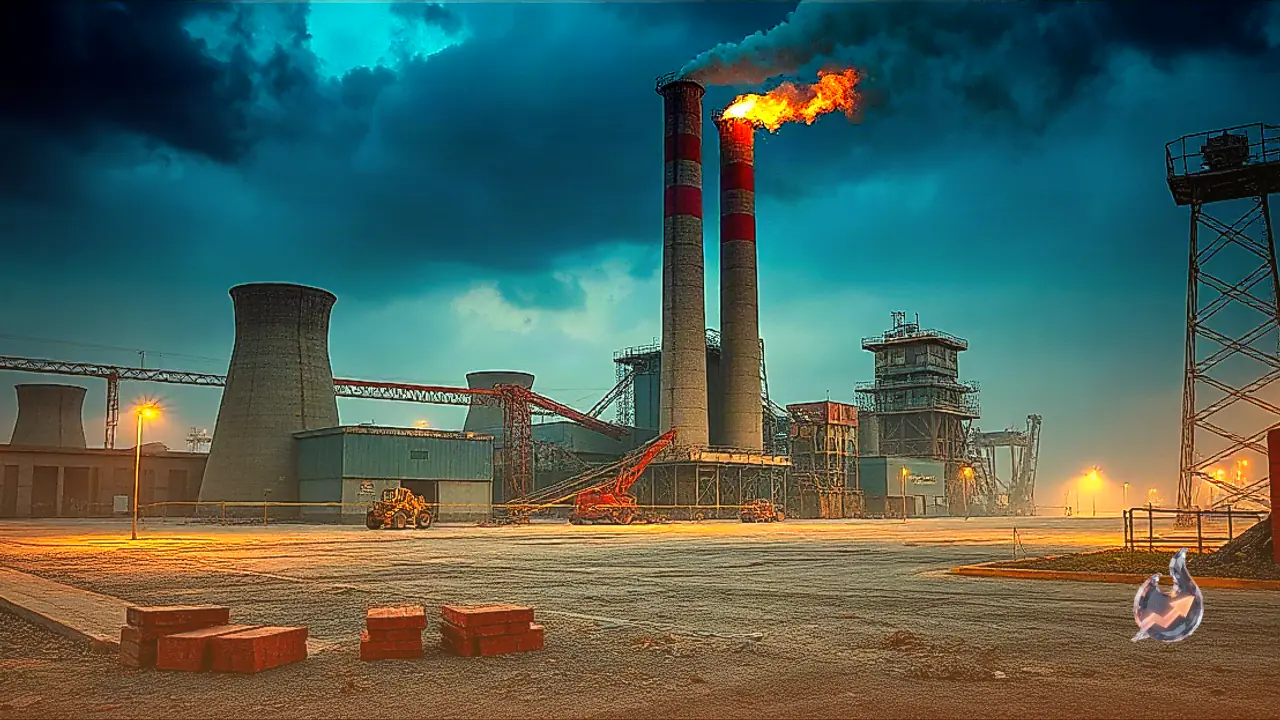
The ash that pours out of Kota's thermal power plant every day used to be treated as pure waste, but it has now turned into the backbone of the city's brick-making trade. Truckloads of this ash are rolling into local kilns, where it is turned into bricks that are cheaper, sturdier and far friendlier to the environment, in the process putting thousands of people to work.

Less pollution, less hauling

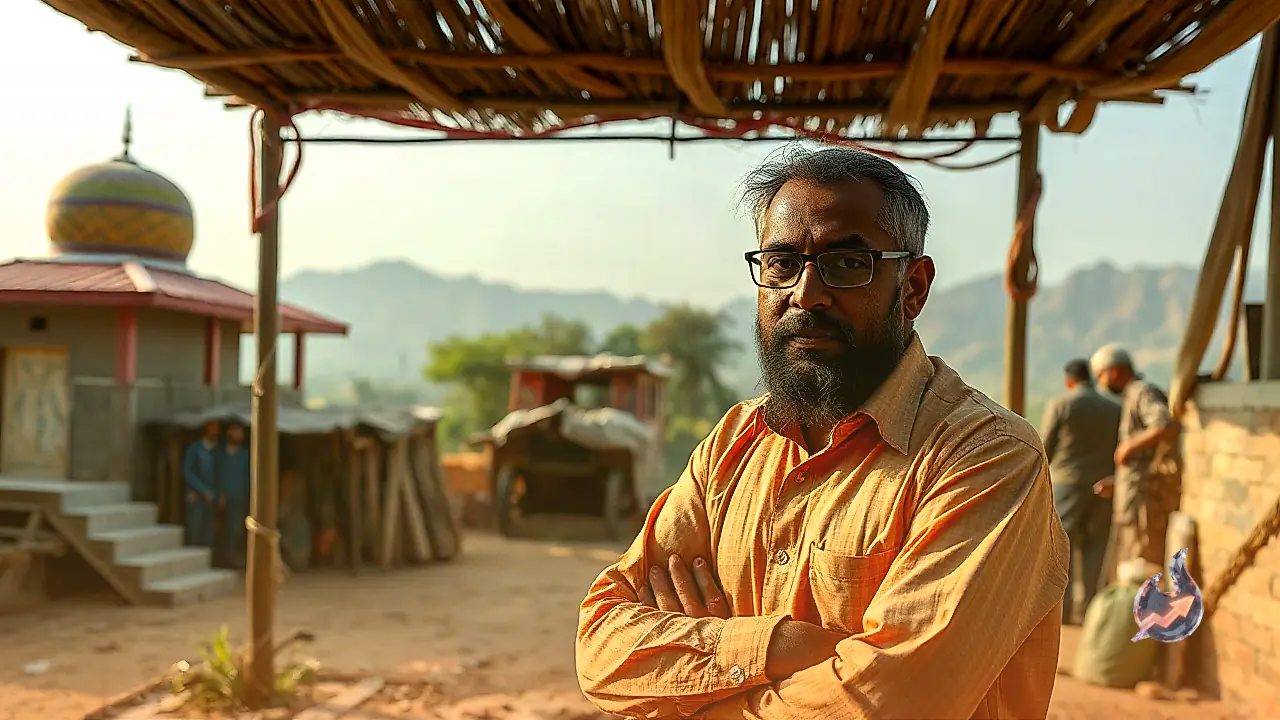
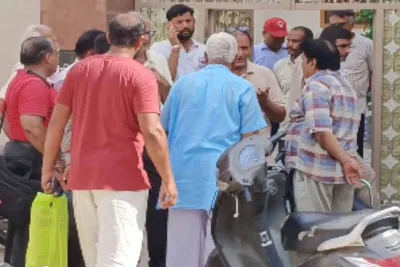
Jaikishan Sarkar, a local resident involved in the trade, said that kilns earlier had to fire red bricks continuously, which brought heavy air pollution and intense heat to the surrounding areas. On top of that, sourcing red bricks meant depending on far-off places such as Lakheri or Kethun, which pushed up transportation costs considerably. The switch to bricks made by mixing thermal ash with cement has eased both problems at once, since the raw material is now available close by and does not need to be fired in a kiln at all.

Also read

Cheaper to buy, tougher to break

According to ordinary buyers, a traditional red brick costs about Rs 5 to Rs 5.50 a piece in the market, while a brick made from thermal ash goes for roughly Rs 3.50 to Rs 4 a piece. Homeowner Bhimraj Gurjar said he used these very bricks to build both his house and his shop. In his experience, the bricks hold up well in terms of strength and cut cleanly, they do not develop seepage or dampness, and they even save on plastering costs. Since an average house needs somewhere between 15,000 and 20,000 bricks, that price gap of roughly Rs 1.50 per brick adds up to a real saving across an entire construction project.

Jobs for nearly 3,000 people, a changed landscape

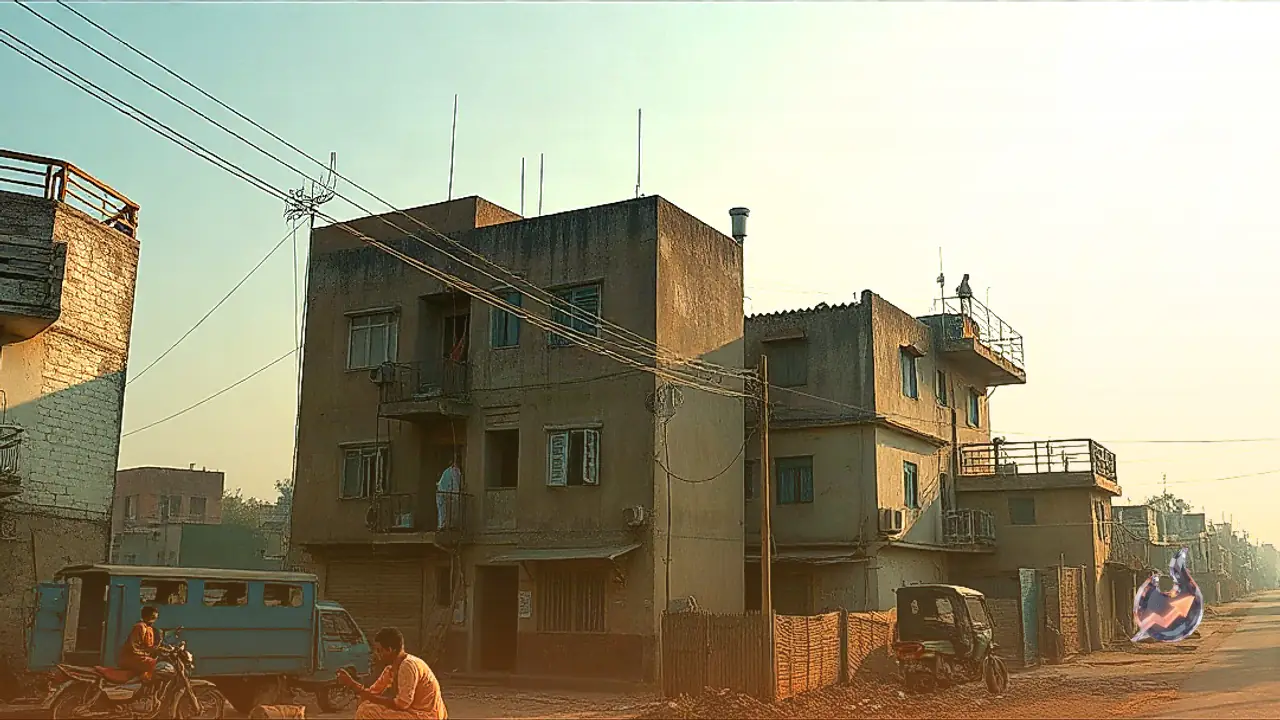
A cluster of industries has come up right around the Kota thermal plant. Within a radius of just 1 to 2 kilometres, several brick kilns and modern machines have been set up in the surrounding villages, all of them running on this ash. The trade as a whole is now giving direct or indirect work to roughly 2,000 to 3,000 labourers and workers from the region. Ash that was once nothing more than a burden and a headache for the thermal power plant has, in effect, proven the old saying about turning trash into treasure.


Questions & Answers

What are bricks in Kota now being made from?
They are made by mixing ash from Kota's thermal power plant with cement.
How much does a thermal ash brick cost?
These bricks cost roughly Rs 3.50 to Rs 4 a piece, compared to Rs 5 to Rs 5.50 for a traditional red brick.
How many people are employed by this trade?
Around 2,000 to 3,000 labourers and workers near Kota's thermal plant are getting direct or indirect employment from this business.
Where were red bricks sourced from earlier?
Red bricks used to be brought in from distant areas such as Lakheri and Kethun.
What are the benefits of thermal ash bricks?
They offer good strength and clean cutting, do not develop seepage, save on plastering costs, and avoid the pollution caused by kiln firing.
How many bricks does building a house typically need?
An average house requires somewhere between 15,000 and 20,000 bricks.

Comments 2

Karan Malhotra@karan-malhotra·21m ago

Looking beyond the realm of crime and justice, this legitimate and well-planned commercial utilization of industrial waste serves as a prime example of strict compliance with environmental regulations. Such use of thermal plant ash legally curtails issues like illegal mining and land pollution, while large-scale local employment generation simultaneously strengthens public safety and social stability.

Rohan Verma@rohan-verma·21m ago

This model serves as a great lesson for states like Uttar Pradesh, where thermal power plants often face major challenges regarding scientific ash management and environmental crises. If such local and sustainable economic models receive policy encouragement, they can become a permanent medium for regional industrial growth and job creation.

Citizen journalism

Become a TrendKia journalist

Voice of the people

Share news, photos and videos from your area with TrendKia and let your voice reach the nation. Every citizen a journalist.

Join now
CH 01 LIVE
TrendKia TV ON AIR