















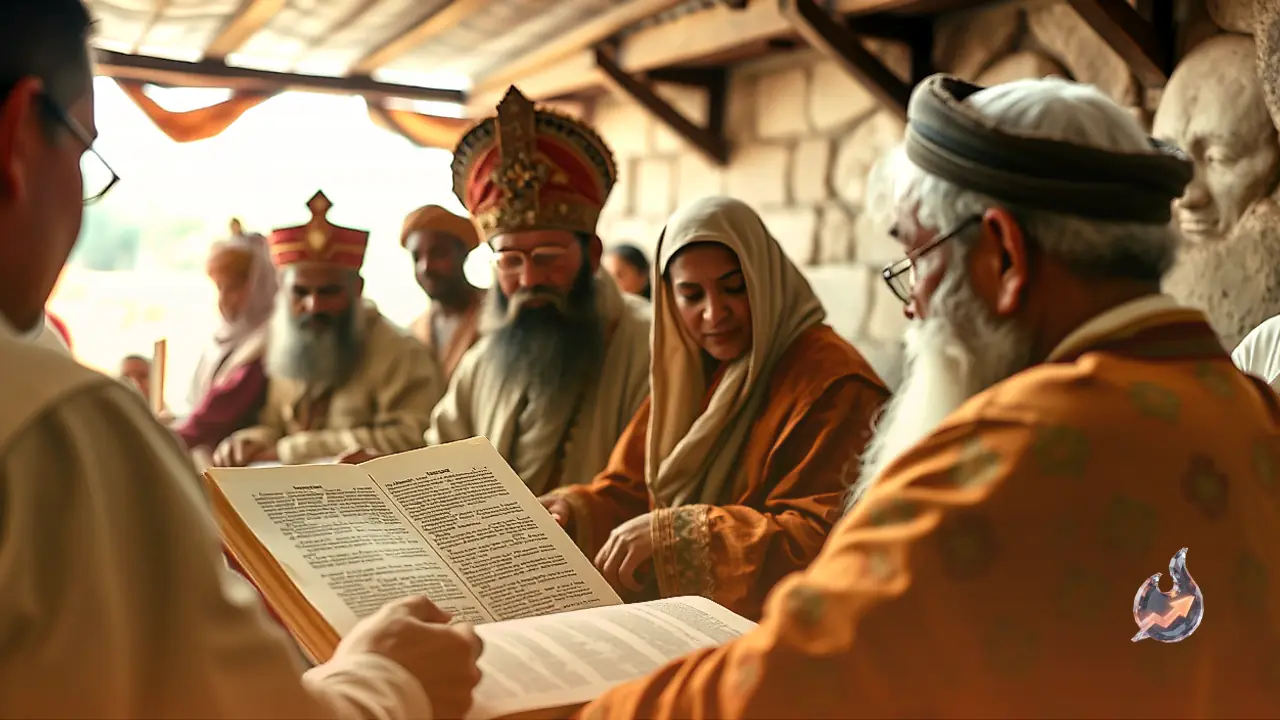
In traditional spiritual practices, inviting and appointing an officiating priest for ancestral offerings and devotional ceremonies is regarded as a deeply solemn responsibility. The underlying principle holds that religious rites yield their intended spiritual fruits only when conducted by an individual who meets exacting standards of conduct, learning, and personal integrity. Within this framework, ancient texts such as the Garuda Purana offer extensive guidance regarding the specific qualifications that make a person fit to conduct memorial rites, major charitable offerings, and sacrificial ceremonies, while detailing which traits disqualify a candidate.
Essential Qualities of a Virtuous and Learned Priest
According to scriptural directives, the most suitable priest for ancestral rites and worship is someone who demonstrates righteous conduct and speaks the truth consistently. A profound grounding in Vedic study and a thorough grasp of ritual procedures are considered indispensable prerequisites. The eligible person must understand traditional law, clearly discern the difference between virtue and transgression, and cultivate an innate disposition toward helping others. Devotion to rigorous discipline and regular recitation of the Gayatri mantra are also emphasized as vital attributes that enable ritual offerings to bring peace to one's ancestors.
Occupations and Practices That Disqualify Candidates
The text places heavy emphasis on how a priest earns a living and conducts personal affairs. It explicitly cautions against engaging practitioners of astrology, individuals who perform occult or harmful esoteric rituals, and certain other categories for ancestral ceremonies, sacrificial rituals, and grand charitable distributions. Traditional teaching maintains that when rituals are conducted through individuals in these forbidden groups, the entire spiritual merit of the sacrificial rite or ancestral offering is rendered completely void, bringing no benefit to the household.
Four Professional Classes Excluded Despite High Learning
The scripture enumerates four specific occupations that bar individuals from officiating at sacrificial rites, regardless of their scholarly depth. These include individuals who herd sheep and goats, painters, physicians practicing medicine, and astrologers. Furthermore, the text outlines exclusions based on geographical origin and personal temperament. Deceitful persons, residents of Mathura, and those hailing from the Gaya region within Bihar or the territory known as Ananda Desha are also cataloged among those who must not be invited for ancestral meals and sacrificial offerings.
Physical Conditions and Backgrounds Deemed Ineligible
A broad array of physical impairments, personal backgrounds, and behavioral flaws are also listed as ineligible for sacred ceremonies like prayers, chanting, and memorial feasts. Disqualified categories include individuals who are one-eyed, afflicted with leprosy, foolish, excessively angry, of mixed lineage, or possessing discolored black teeth. Those marked by social censure, fallen status, impotence, physical deformity, or an absence of Vedic study are similarly barred. The text extends these restrictions to residents of ill-favored lands, people of terrifying appearance, inhabitants of the Magadha region, and individuals of extremely dark complexion.
Daily Discipline and the Significance of Sacred Markings
External adherence to traditional discipline is viewed as an extension of internal purity. The sacred guidelines note that if a priest fails to apply a tilak to his forehead after completing his bath, he is not even deserving of a reverent salutation. Taken together, these scriptural stipulations demonstrate that the spiritual efficacy of ancestral rituals relies not merely on procedural correctness, but fundamentally on the moral discipline, scholarship, and everyday conduct of the person performing the rites.